
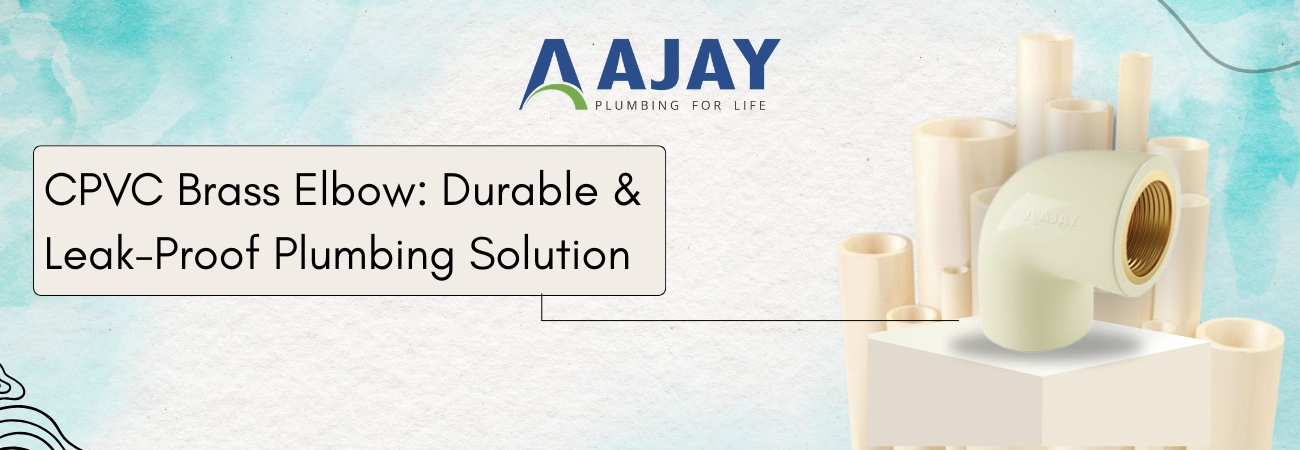
CPVC Brass Elbow: Durable & Leak-Proof Plumbing Solution
Introduction
CPVC (Chlorinated Polyvinyl Chloride) fittings have revolutionised modern plumbing with their excellent durability, heat resistance, and corrosion resistance. These fittings play an important role in ensuring smooth and reliable water distribution in residential and commercial properties. Among the various options available, CPVC brass elbows are especially useful because they provide strong, leak-resistant connections between CPVC pipes and threaded metal fixtures.
With the growing demand for efficient and long-lasting plumbing solutions, CPVC fittings have become a preferred choice for plumbers, contractors, and homeowners. Their versatility and reliability make them suitable for both hot and cold water systems.
What Is a CPVC Brass Elbow?
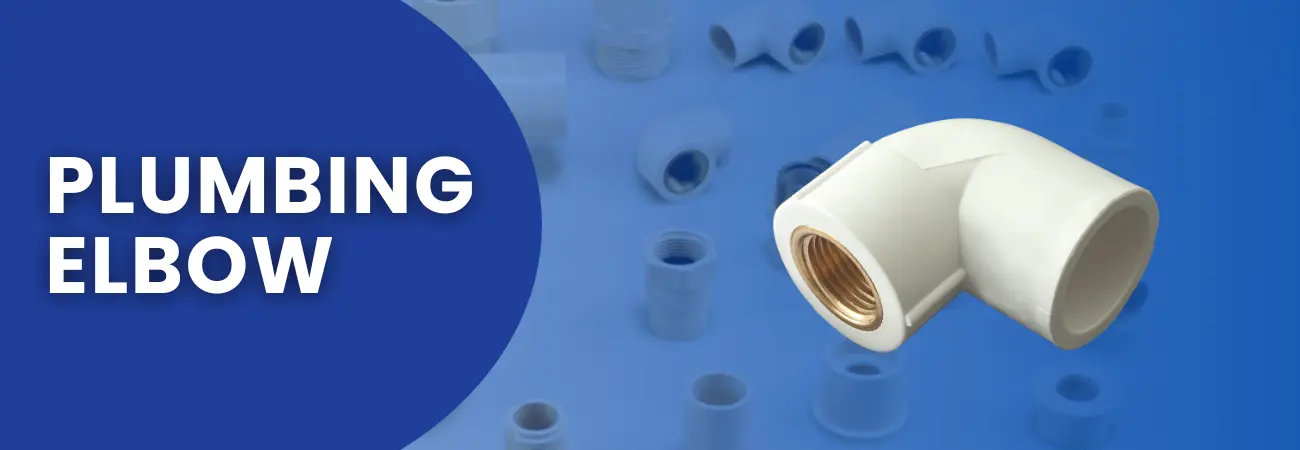
A CPVC brass elbow is a specialised plumbing fitting designed to connect two pipes at a 90-degree angle while providing a threaded connection through a brass insert. Unlike standard CPVC elbows, which are made entirely from CPVC, brass elbows incorporate a brass threaded insert.
This makes them particularly suitable for connecting CPVC pipes to metal fixtures such as taps, showerheads, faucets, valves, and other threaded plumbing components.
Key Differences from Standard CPVC Elbows
- Brass Threading: Provides a strong and durable threaded connection.
- Higher Pressure Tolerance: The brass insert adds mechanical strength to the connection.
- Versatile Application: Suitable for connecting CPVC pipes with metal plumbing fixtures.
- Reliable Connection: Helps create a secure connection when installed correctly.
Common Applications of CPVC Brass Elbows
CPVC brass elbows are commonly used in:
- Residential plumbing systems for hot and cold water supply.
- Commercial buildings requiring secure CPVC-to-metal connections.
- Bathrooms and kitchens for connecting taps, faucets, and shower fittings.
- Water supply systems where reliable threaded connections are required.
- Industrial applications involving suitable hot and cold water systems.
Benefits of Using CPVC Brass Elbows
CPVC brass elbows offer several advantages that make them a practical choice for modern plumbing installations.
1. High Heat and Pressure Resistance
CPVC is designed for hot and cold water applications and offers good resistance to elevated temperatures. The brass insert provides additional mechanical strength around the threaded connection, helping the fitting withstand pressure when properly selected and installed according to the applicable system specifications.
2. Corrosion Resistance
CPVC is resistant to rust and many common forms of corrosion. This makes CPVC-based plumbing systems suitable for environments where traditional metal pipes and fittings may be more susceptible to corrosion.
- Secure and Leak-Resistant Connections
The brass threaded insert provides a strong connection point for threaded fixtures. When the correct sealing method and installation technique are used, CPVC brass elbows can help minimise the possibility of leakage.
4. Suitable for Hot and Cold Water
CPVC brass elbows can be used in appropriate hot and cold water plumbing systems. Their versatility makes them suitable for residential and commercial applications.
5. Easy to Handle and Install
CPVC fittings are lightweight compared with many traditional metal alternatives. This makes transportation, handling, and installation easier, particularly in residential plumbing projects.
Key CPVC Fittings That Complement Brass Elbows
A complete plumbing system usually requires several types of CPVC fittings. CPVC brass elbows can be combined with other fittings to create an efficient water distribution network.
CPVC Concealed Valve
A CPVC concealed valve is used to control water flow in concealed plumbing installations. It can be installed behind walls and is commonly used in bathrooms and other areas where a neat appearance is required.
CPVC Reducer
A CPVC reducer connects pipes with different diameters. It is useful when a plumbing system needs to transition from one pipe size to another.
Other Complementary CPVC Fittings
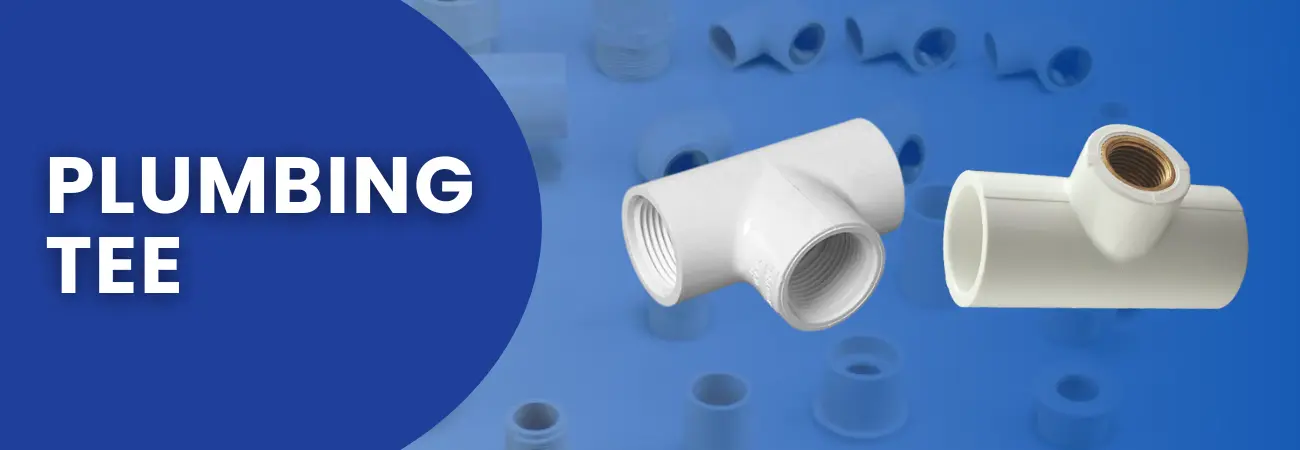
- CPVC Tee: Used to create a branch connection in a pipeline.
- CPVC Union: Allows sections of pipe to be disconnected easily for maintenance.
- CPVC End Cap: Used to close and seal the end of a CPVC pipe.
- CPVC Coupler: Connects two CPVC pipes in a straight line.
Cost Consideration: 3/4 Inch CPVC Pipe Price
The 3/4 CPVC pipe price can vary depending on several factors. Before purchasing, it is important to consider the quality, brand, pipe specifications, and quantity required for the project.
Factors Affecting 3/4 CPVC Pipe Price
Brand
Established manufacturers may offer pipes with consistent quality, tested performance, and product warranties. Brand reputation can therefore influence the overall price.
Quality
The grade and specifications of CPVC material affect its performance, durability, and suitability for different applications.
Location
Prices can vary between regions because of transportation costs, availability, distribution networks, and local market conditions.
Quantity
Bulk purchases for larger residential, commercial, or industrial projects may have different pricing compared with small quantities.
Comparison with Other Plumbing Materials
CPVC pipes can offer advantages over many traditional metal plumbing materials because they are lightweight, easy to handle, and resistant to corrosion. Their installation can also require less effort and fewer specialised tools.
Why Investing in CPVC Can Be Cost-Effective
- Reduced maintenance requirements.
- Good resistance to corrosion and chemical degradation.
- Lightweight construction for easier handling.
- Efficient installation when the correct installation practices are followed.
- Long service life when properly selected and maintained.
Installation Tips for CPVC Brass Elbows
Correct installation is essential for achieving a reliable and leak-resistant plumbing connection.
Step-by-Step Installation Guide
- Measure and Cut the Pipe: Use an appropriate CPVC pipe cutter to make a clean, square cut.
- Smooth the Edges: Remove burrs and clean away dust or debris from the pipe.
- Apply CPVC Solvent Cement: Apply the recommended CPVC solvent cement according to the manufacturer’s instructions.
- Insert the Pipe into the Elbow: Push the pipe fully into the fitting using the recommended joining procedure.
- Connect the Brass Thread: For a threaded fixture, use an appropriate thread-sealing method and tighten carefully.
- Allow Proper Curing Time: Follow the solvent cement manufacturer’s recommended curing time before pressurising the system.
Do’s and Don’ts for Leak-Free Connections
- Do use solvent cement specifically recommended for CPVC systems.
- Do clean and prepare the pipe and fitting before joining.
- Do use the appropriate thread sealant for threaded brass connections.
- Don’t overtighten threaded connections, as excessive force can damage the fitting.
- Don’t use inappropriate tools that can damage CPVC components.
- Don’t pressurise the system before the solvent cement has adequately cured.
Maintenance Tips for Long-Term Performance
Although CPVC systems generally require low maintenance, regular inspection can help maintain reliable performance.
- Check joints and threaded connections periodically for signs of leakage.
- Inspect accessible fittings for damage or stress.
- Protect exposed CPVC components from prolonged direct sunlight where required.
- Follow the plumbing system manufacturer’s recommendations for cleaning and maintenance.
- Address leaks or damaged fittings promptly to prevent further problems.
Conclusion
CPVC brass elbows are an important component of modern plumbing systems, particularly where CPVC pipes need to connect with threaded metal fixtures. Their combination of CPVC’s corrosion resistance and the mechanical strength of brass makes them suitable for a wide range of hot and cold water applications.
Complementary fittings such as CPVC concealed valves, reducers, tees, unions, and end caps can further improve the flexibility and functionality of a plumbing system. While factors such as brand, quality, location, and specifications influence the 3/4 CPVC pipe price, CPVC remains a practical option for many plumbing installations because of its lightweight construction, corrosion resistance, and ease of installation.
For reliable plumbing performance, always select high-quality CPVC fittings that meet the required specifications and follow the manufacturer’s installation guidelines.
FAQ:-
A CPVC brass elbow is a plumbing fitting that connects two CPVC pipes at a 90-degree angle and features a brass insert with female threading for added strength and compatibility with metal fixtures.
Unlike standard CPVC elbows, which are entirely plastic, CPVC brass elbows include a brass-threaded insert, making them more durable and suitable for connecting metal components.
They are used in residential and commercial plumbing systems, especially where CPVC pipes need to connect to metal fixtures like taps, showerheads, and water heaters.
CPVC brass elbows offer better durability, higher pressure tolerance, and a more secure, leak-proof connection, especially when connecting CPVC pipes to metal fixtures.
Yes, CPVC brass elbows can handle both hot and cold water efficiently, making them ideal for residential and commercial plumbing systems.
For any queries, contact the plumbing experts at Ajay pipes on the Toll Free No. : 1800-11-4050 or via email at our email address info@ajaypipes.com



One Comment