
Casing Pipe
Casing Pipes
Reliable casing is an important part of a properly designed borewell system. It helps support the borewell structure, protect the water pathway from surrounding soil and loose formations, and provide a stable passage for further borewell installation.
Ajay Pipes Casing Pipes are designed for borewell and groundwater applications where dependable performance, dimensional consistency, and ease of installation are important. Manufactured from PVC, these pipes offer a practical alternative to conventional casing materials for suitable soil and groundwater conditions.
Whether the requirement is for a residential borewell, agricultural water source, or other groundwater application, selecting the correct casing pipe based on borewell depth, diameter, soil conditions, and installation method is essential.
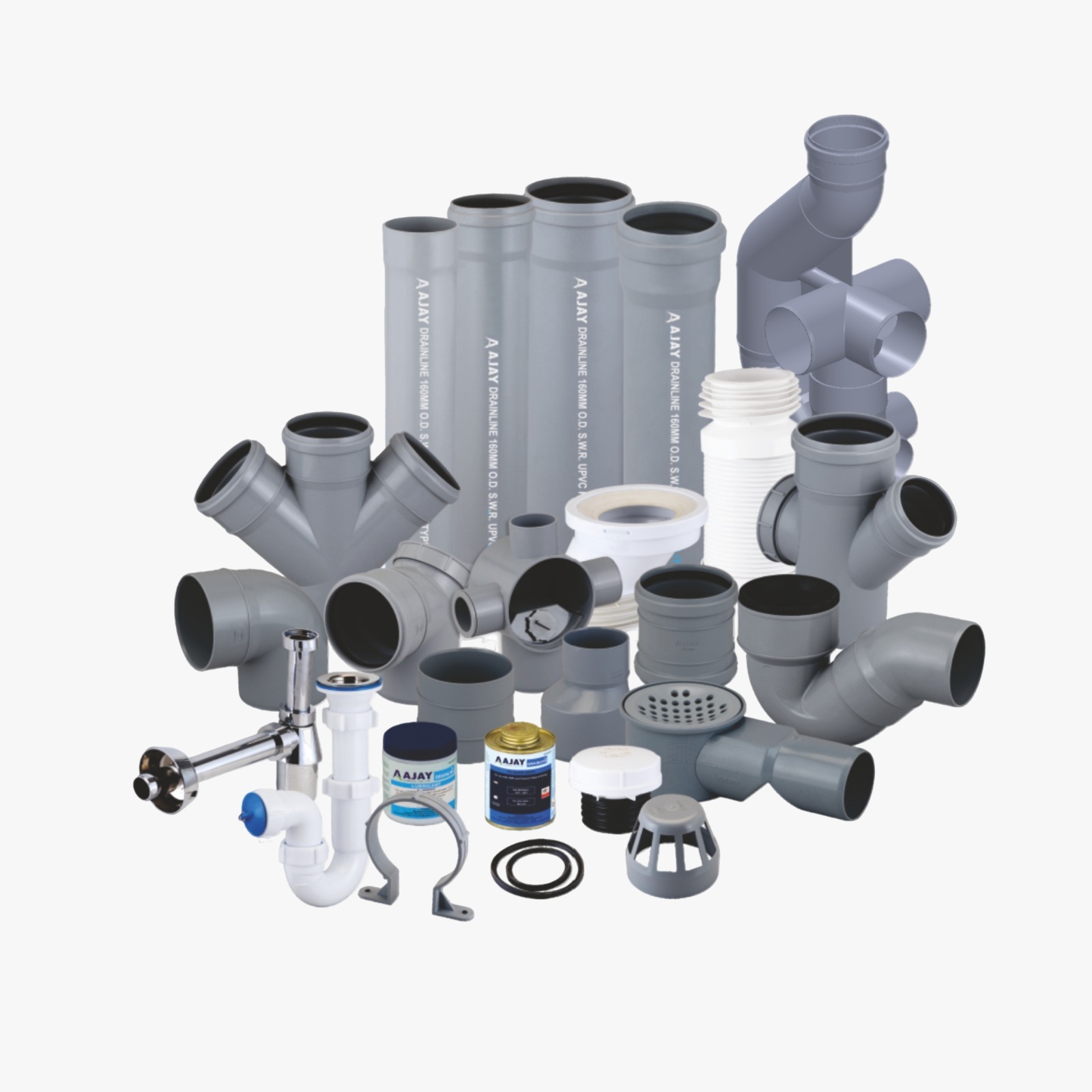
What Is a Casing Pipe?
A casing pipe is a protective pipe installed inside a drilled borewell. Its primary purpose is to help prevent the borehole from collapsing and to provide a controlled passage for water extraction equipment.
PVC casing pipes are widely used in borewell construction because they are lightweight, corrosion-resistant, and easier to handle than many traditional metal casing materials.
The correct casing solution depends on factors such as:
- Borewell depth
- Borewell diameter
- Soil and geological conditions
- Groundwater characteristics
- Pump and installation requirements
- Required pipe diameter and wall thickness
- Local installation practices
For reliable results, the casing should be selected according to the actual site conditions rather than based only on pipe diameter or price.
Why Choose PVC Casing Pipes?
PVC casing pipes provide several practical advantages for borewell applications.
Corrosion Resistant
PVC does not rust like conventional steel casing. This makes PVC casing suitable for many groundwater environments where corrosion can affect metallic components.
Lightweight and Easy to Handle
PVC casing pipes are considerably easier to transport, position, and handle during borewell installation compared with heavier metal alternatives. This can simplify handling at the installation site.
Smooth Internal Surface
The relatively smooth internal surface of PVC casing helps provide a clean passage within the borewell and can support efficient installation of pumping components when the system is properly designed.
Durable Construction
A properly selected casing pipe can provide structural support to the borewell and help maintain the integrity of the drilled passage during operation.
Low Maintenance
PVC is resistant to rust and does not require painting or anti-corrosion treatment in the way some metallic casing materials do. This can help reduce maintenance requirements over the operating period.
Cost-Effective Installation
The combination of low weight, corrosion resistance, and straightforward handling can make PVC casing an economical option for suitable borewell applications.
Applications of Casing Pipes
PVC casing pipes are used in a range of groundwater and borewell applications, including:
- Residential borewells
- Agricultural borewells
- Groundwater extraction systems
- Farm irrigation systems
- Rural water supply applications
- Commercial groundwater systems
- Borewell construction projects
- Water well installations
The appropriate casing type should always be selected according to the geological conditions and technical requirements of the particular borewell.
Casing Pipe for Borewell
Borewell casing plays a critical role in maintaining the structural stability of a drilled well. During drilling, soil, sand, gravel, and other formations can create conditions where the borehole walls may become unstable.
A suitable casing pipe provides a protective barrier between the borewell and surrounding formation. It also helps create a defined passage for installing pumps and related equipment.
For borewell projects, choosing a casing pipe should involve more than simply selecting a commonly used size. Borewell depth, formation characteristics, groundwater conditions, installation technique, and expected operating requirements should all be considered.
How to Select the Right Casing Pipe
Selecting the right casing pipe can directly affect the reliability of a borewell installation. Consider the following factors before purchasing.
1. Borewell Depth
Greater installation depths can impose higher structural demands on the casing. The pipe should therefore be selected according to the planned borewell depth and applicable installation conditions.
2. Borewell Diameter
The casing diameter should be compatible with the drilled borehole and the equipment that will be installed inside the casing.
3. Soil and Geological Conditions
Different locations have different soil and rock formations. Loose soil, sand, gravel, fractured rock, and other geological conditions can affect casing selection.
4. Wall Thickness and Strength
Casing pipes are available in different constructions and specifications. The appropriate wall thickness and strength should be selected based on the installation requirements.
5. Pump Compatibility
The internal diameter of the casing should provide adequate clearance for the selected pump, delivery pipe, cables, and installation components.
6. Installation Method
The method used for drilling and installing the casing can influence the type of pipe required. The installer should verify compatibility before beginning the installation.
Advantages of PVC Casing Pipes for Borewell Applications
When correctly specified and installed, PVC casing pipes can offer a combination of practical benefits:
- Resistance to rust and corrosion
- Lightweight construction
- Easy transportation and handling
- Smooth internal surface
- Suitable for various borewell applications
- Reduced maintenance requirements
- Convenient installation
- Long-term usability when properly selected and installed
The actual performance of a casing pipe depends on product specifications, site conditions, installation quality, and operating environment.
Casing Pipe Installation
Proper installation is essential for achieving dependable borewell performance. The general installation process may include:
- Borewell drilling: The borehole is drilled to the required depth based on the site investigation and project requirements.
- Borehole assessment: The drilled diameter, depth, and geological conditions are checked before casing installation.
- Casing selection: The appropriate pipe diameter and specification are selected according to the borewell design.
- Pipe lowering: The casing sections are carefully lowered into the drilled borehole.
- Jointing: Pipe sections are connected using the appropriate joining method and accessories.
- Alignment: The casing is positioned correctly to support subsequent installation work.
- Well development: The borewell is developed using an appropriate method to remove loose material and improve water flow.
- Pump installation: Once the borewell is prepared, the pumping equipment can be installed according to the system design.
Installation practices can vary according to drilling technique, ground conditions, casing design, and local requirements. A qualified borewell professional should determine the appropriate installation procedure.
Casing Pipe vs Metal Casing Pipe
PVC and metal casing materials have different characteristics and should be selected according to the application.
| Feature | PVC Casing Pipe | Metal Casing Pipe |
|---|---|---|
| Corrosion resistance | Excellent resistance to rust | May require corrosion protection depending on material and conditions |
| Weight | Lightweight | Generally heavier |
| Handling | Easier to transport and handle | Requires greater handling effort |
| Maintenance | Generally low maintenance | Corrosion-related maintenance may be required |
| Installation | Convenient for suitable applications | Can require additional equipment and handling |
| Application suitability | Suitable for many borewell conditions | Useful where specific structural requirements demand metal |
The better option depends on borewell depth, geological conditions, mechanical requirements, installation method, and project specifications.
Where Should PVC Casing Pipes Be Used?
PVC casing is suitable for many residential, agricultural, and groundwater applications when the product specification matches the site requirements.
However, casing selection should not be based solely on material preference. Deep borewells, unstable formations, unusual groundwater conditions, or applications with high mechanical loads may require a different casing specification.
Consulting a qualified borewell professional before installation can help ensure that the selected casing is appropriate for the project.
Why Choose Ajay Pipes for Casing Pipes?
Ajay Pipes focuses on providing plastic piping solutions for applications where consistent product performance and dependable installation are important.
Our casing pipe solutions are developed for practical borewell requirements, with attention to product quality, dimensional consistency, material selection, and manufacturing control.
When selecting casing pipes, we recommend considering the complete application rather than choosing a product based only on price. Our team can help customers identify the appropriate product based on the intended application and available product specifications.
Frequently Asked Questions
What is a casing pipe used for?
A casing pipe is installed inside a drilled borewell to help stabilize the borehole, prevent the surrounding formation from entering the well, and provide a protected passage for pumping equipment.
Are PVC casing pipes suitable for borewells?
Yes. PVC casing pipes are commonly used in many borewell applications because they are lightweight, corrosion-resistant, easy to handle, and suitable for groundwater environments when the correct specification is selected.
How do I choose the right casing pipe size?
Casing pipe size should be selected according to the borewell diameter, depth, geological conditions, pump dimensions, and installation requirements. A borewell professional should verify the appropriate specification before installation.
Are PVC casing pipes resistant to corrosion?
PVC is naturally resistant to rust and corrosion, which is one of its important advantages over conventional metal casing materials.
Can casing pipes be used for agricultural borewells?
Yes. PVC casing pipes can be used in agricultural borewell and irrigation applications when their specifications are suitable for the depth, ground conditions, and pumping system.
Does borewell depth affect casing pipe selection?
Yes. Borewell depth can influence the mechanical loads placed on the casing. Deeper installations may require specific pipe specifications based on the site and installation conditions.
What is the difference between casing pipe and screen pipe?
A casing pipe primarily provides structural support and protects the borewell passage. A screen is designed to allow groundwater to enter the well while limiting the entry of surrounding formation material. Both can form parts of a properly designed borewell system.
Get the Right Casing Pipe for Your Application
Choosing the right casing pipe is an important step in building a reliable borewell system. The correct product should match the borewell depth, diameter, geological conditions, installation method, and pumping requirements.
Explore the Ajay Pipes Casing Pipe range and select the appropriate solution for your borewell application. For product specifications, availability, and application guidance, contact the Ajay Pipes team.
Choose the right casing. Build a more dependable borewell system.

