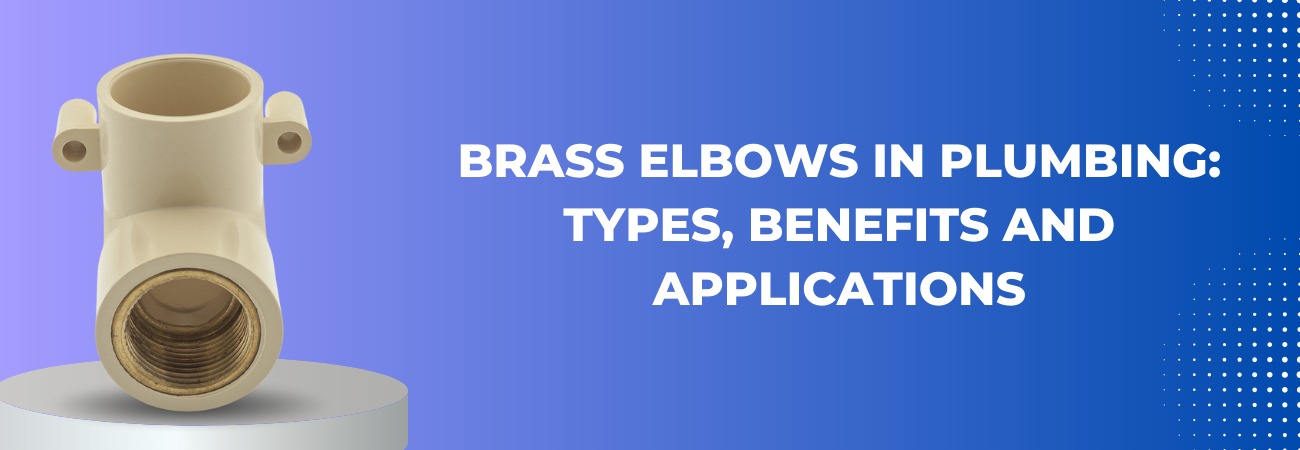
Brass Elbows in Plumbing: Types, Benefits and Applications
Introduction
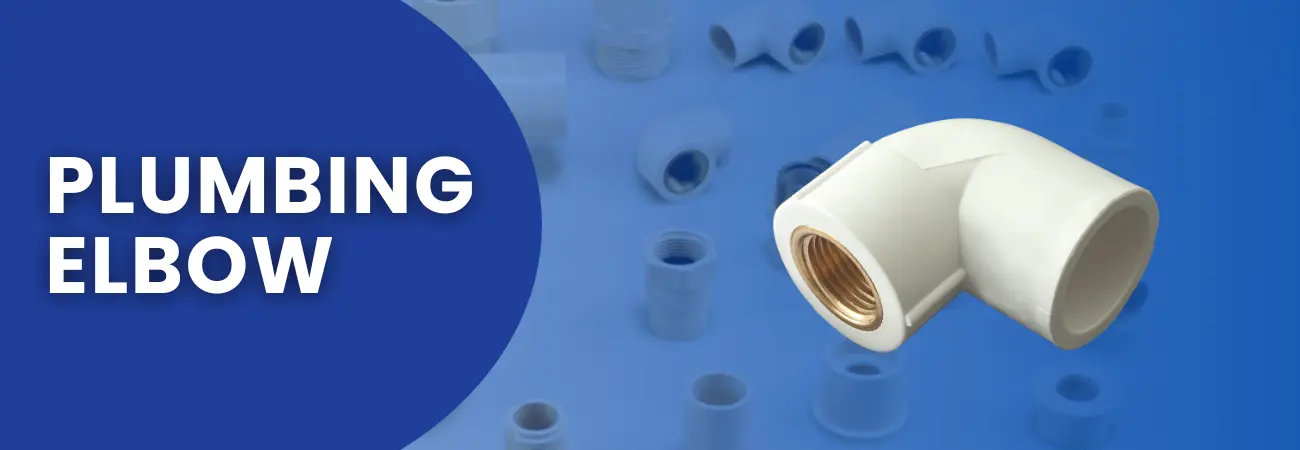
A brass elbow is a plumbing fitting used to change the direction of water flow in pipelines, usually at a 90° or 45° angle. Made from high-quality brass, these elbows are widely used in CPVC, UPVC, and other piping systems because of their durability, corrosion resistance, and leak-proof performance.
In simple terms, a brass elbow fitting acts as a connector that allows plumbers to turn pipes without cutting or bending them, making plumbing installations easier, more efficient, and long-lasting.
Why Choose a Brass Pipe Fitting Elbow in Plumbing?
Brass is one of the most trusted materials for plumbing applications because it offers an excellent balance of strength, durability, and performance. A brass pipe fitting elbow provides several important benefits:
- Durability: Brass pipe fitting elbows resist cracking and wear, even in high pressure systems.
- Corrosion Resistance: Unlike steel, brass does not rust easily, making it suitable for hot and cold water applications.
- Leak-Proof Joints: Precision threading provides tight and secure pipe connections.
- Versatility: Brass elbows can be used with CPVC, UPVC, PVC, and other compatible piping systems.
- Heat Resistance: Brass performs well in hot water lines and several industrial applications.
Types of Brass Elbow Fittings
Brass elbows are available in different designs, sizes, and configurations to meet various plumbing requirements. Some of the commonly used types include:
1. CPVC Brass Elbow
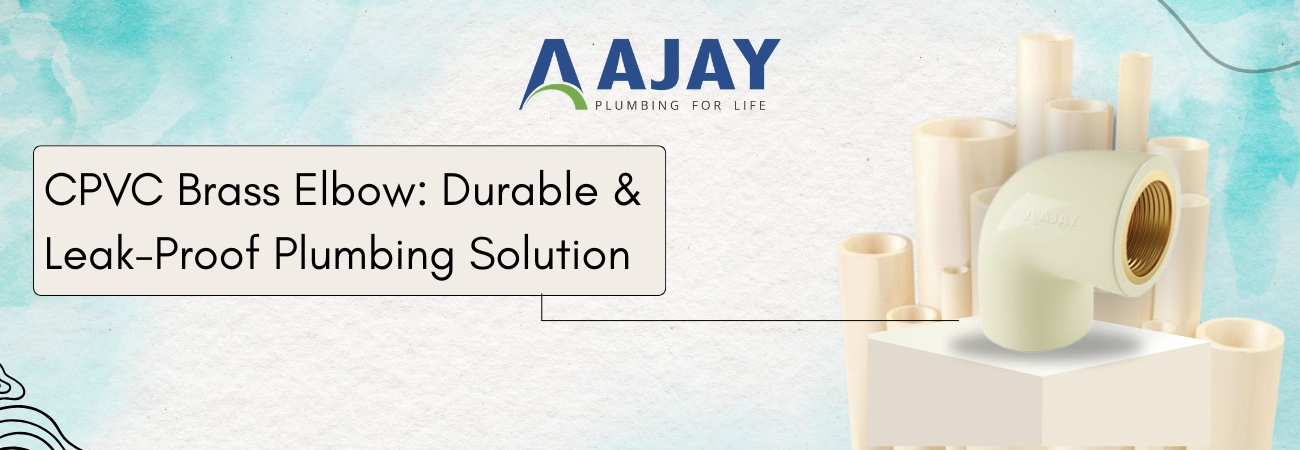
A CPVC brass elbow combines CPVC material with brass threading to provide a strong and reliable connection. It is commonly used in hot and cold water plumbing systems, where CPVC provides temperature resistance and brass offers strength at the threaded connection.
Key benefits include:
- Ideal for residential and commercial plumbing
- Provides a durable threaded connection
- Helps reduce the risk of damage at connection points
- Available in common sizes such as ½ inch, ¾ inch, and 1 inch
2. UPVC Brass Elbow
A UPVC brass elbow is designed for compatible UPVC piping systems, particularly cold-water applications. UPVC provides chemical resistance and lightweight performance, while the brass section offers a robust threaded connection.
Common applications include:
- Cold-water distribution
- Irrigation systems
- Residential plumbing
- Commercial water supply systems
It is lightweight, cost-effective, and requires relatively low maintenance when installed correctly.
3. Brass Elbow 1 Inch
A 1 inch brass elbow is a commonly used fitting for water distribution and other plumbing applications. It is available in different configurations and angles to accommodate various pipeline layouts.
Features include:
- Suitable for compatible CPVC and UPVC systems
- Useful in residential and commercial plumbing
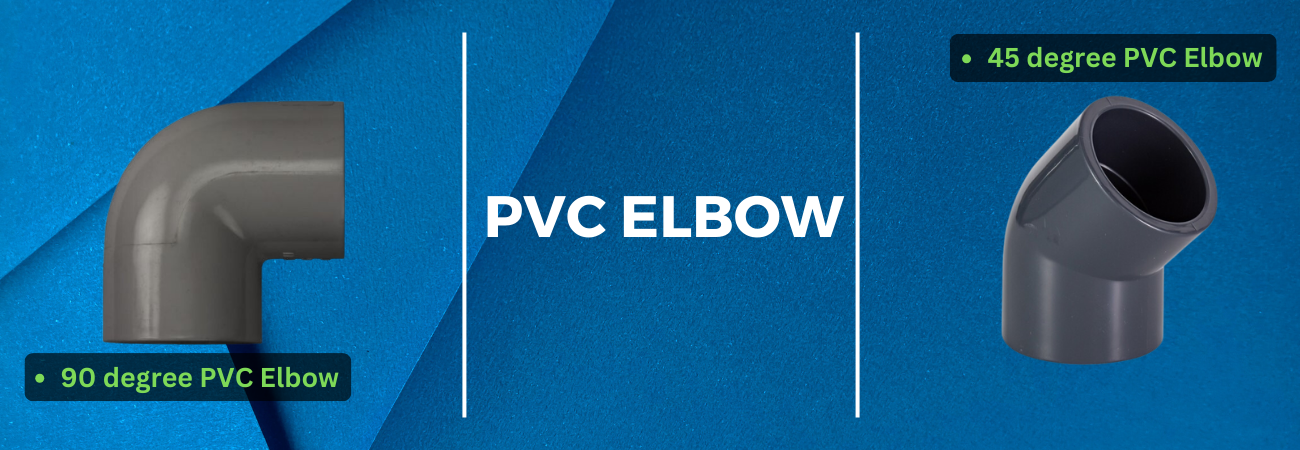
- Available in 90° and 45° configurations
- Provides a strong and secure connection
4. Brass Elbow CPVC (Threaded)
A threaded brass elbow for CPVC systems is designed to connect CPVC pipes with compatible threaded components. The brass-threaded section provides additional strength at the connection point.
It offers:
- Durable threaded connections
- Easy installation with suitable thread sealant
- Secure connections for compatible pressure applications
- Good performance in hot and cold water plumbing
5. Elbow Brass for General Use
The term elbow brass generally refers to brass elbow fittings used for compatible metal or plumbing systems. These fittings are commonly found in residential, commercial, and industrial installations.
Their strength and resistance to corrosion make them suitable for applications where reliable directional changes are required.
Applications of Brass Pipe Elbow
Brass pipe elbows are versatile fittings used in various plumbing and fluid-handling systems. Common applications include:
- Residential Plumbing: Used for water supply lines in kitchens, bathrooms, and overhead tank connections.
- Commercial Buildings: Suitable for plumbing systems in hotels, hospitals, offices, and other buildings.
- Industrial Systems: Used in compatible cooling, compressed-air, and fluid-handling systems.
- Agricultural Irrigation: Useful in sprinkler and drip irrigation systems where compatible materials are required.
- HVAC Systems: Used in suitable heating and cooling fluid lines.
How to Select the Right Brass Pipe Elbow?
Choosing the correct brass pipe elbow is important for achieving a secure and efficient plumbing connection. Consider the following factors:
Size Compatibility
Select an elbow that matches the pipe and fitting size. Common sizes include ½ inch, ¾ inch, and 1 inch.
Pipe Type
Check compatibility with the piping material. For example, use a compatible CPVC brass elbow for CPVC plumbing and a suitable UPVC brass elbow for UPVC applications.
Angle Required
Choose the angle according to the pipeline layout:
- 90° elbow: Suitable for sharp directional changes.
- 45° elbow: Suitable where a more gradual directional change is required.
Threading Quality
Look for accurately manufactured threads that provide a secure connection and reduce the risk of leakage.
Brand and Certification
For plumbing installations, choose fittings from reputable manufacturers and check applicable quality standards or certifications relevant to your project.
Brass Elbow Installation Guide
Installing a brass elbow requires proper preparation and compatible components. Follow these general steps:
- Measure and Cut the Pipe: Measure the required length and make a clean cut using an appropriate pipe cutter.
- Deburr and Clean: Remove burrs and clean the pipe ends before making the connection.
- Apply Sealant or Teflon Tape: Apply a suitable thread sealant or Teflon tape where required for threaded connections.
- Fix the Elbow: Hand-tighten the fitting first and then use an appropriate wrench carefully. Avoid excessive force.
- Check the Connection: Inspect the joint and run water through the system to check for leaks.
Always follow the manufacturer’s installation instructions and use compatible sealants, tools, and pipe systems.
Maintenance Tips for Brass Elbow
A properly installed brass elbow can provide long-term service, but regular inspection helps maintain plumbing system performance.
- Regular Inspection: Check connections for leaks, deposits, or signs of thread wear.
- Avoid Over-Tightening: Excessive torque can damage threads or connected components.
- Use Proper Sealants: Use an appropriate thread sealant or Teflon tape where required.
- Control Scaling: Hard water can contribute to mineral deposits, so suitable filtration or water treatment can help reduce scaling.
- Timely Replacement: Replace fittings that show significant damage, persistent leakage, or worn threads.
Conclusion
A brass elbow is an important plumbing fitting for changing the direction of pipes while maintaining a secure connection. Its durability, corrosion resistance, heat tolerance, and reliable threaded construction make it useful across residential, commercial, and industrial applications.
Whether you need a CPVC brass elbow, UPVC brass elbow, 1 inch brass elbow, or a threaded brass elbow, selecting the correct size, angle, material compatibility, and quality standard is essential for reliable plumbing performance.
FAQ:-
A brass elbow is used to change the direction of water flow in pipelines, usually at a 90° or 45° angle, without bending or damaging the pipe.
Brass elbows are stronger, more durable, and resistant to corrosion. They can also handle high water pressure and temperature, making them more reliable than plastic fittings.
Yes, CPVC types are best for hot and cold water lines, while UPVC types are ideal for cold-water distribution and irrigation.
Standard sizes include ½ inch, ¾ inch, and 1 inch, with both 90° and 45° angle options.
Yes, brass-based CPVC fittings are designed to withstand high temperatures, making them perfect for hot water applications.
Apply Teflon tape or thread sealant, hand-tighten first, and then use a wrench carefully to avoid over-tightening.
They are widely used in residential plumbing, commercial water supply, HVAC systems, industrial pipelines, and agriculture.
For any queries, contact the plumbing experts at Ajay pipes on the Toll Free No. : 1800-11-4050 or via email at our email address info@ajaypipes.com