
Best Pipes for Water Supply: Home & Building Guide
Introduction
When it comes to plumbing systems, selecting the best pipe for water supply is a critical decision for homeowners, contractors, and builders. Whether you’re working on a new construction project or upgrading an existing system, the type of water pipe you choose can, in fact, have a significant impact on the safety, durability, and efficiency of your plumbing system.
For example, a reliable water supply pipe ensures clean drinking water, minimizes leakage, and reduces long-term maintenance costs.
With so many options available on the market today, however, it can be overwhelming to decide which pipe is right for your project. Specifically, factors such as water temperature, quality, budget, and durability all play a role in the decision-making process.
Therefore, in this guide, we’ll explore the different types of water supply pipes, along with their advantages and disadvantages, plus expert recommendations to help you choose the best water pipes for your home or commercial space.
Understanding Water Supply Pipes
A water supply pipe plays an essential role in delivering clean water from the main source to taps, kitchens, bathrooms, and other fixtures.
For residential and commercial plumbing projects, choosing the right pipe material is important to ensure:
- Long-lasting performance
- Leak-free operation
- Corrosion resistance
- Safe drinking water
- Low maintenance costs
Water pipes are generally categorized based on their material. The most common options include:
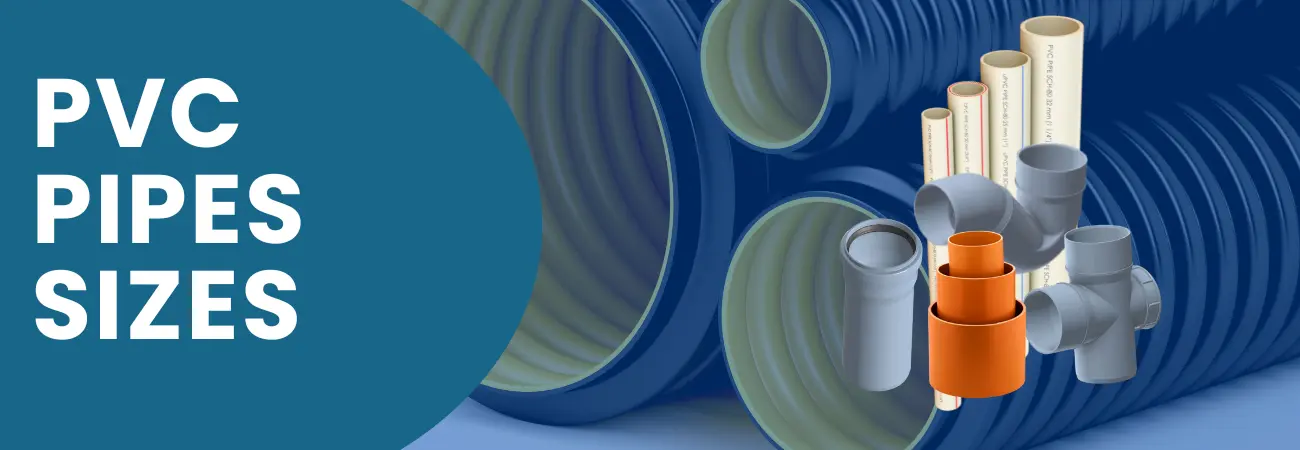
- PVC Pipes
- CPVC Pipes
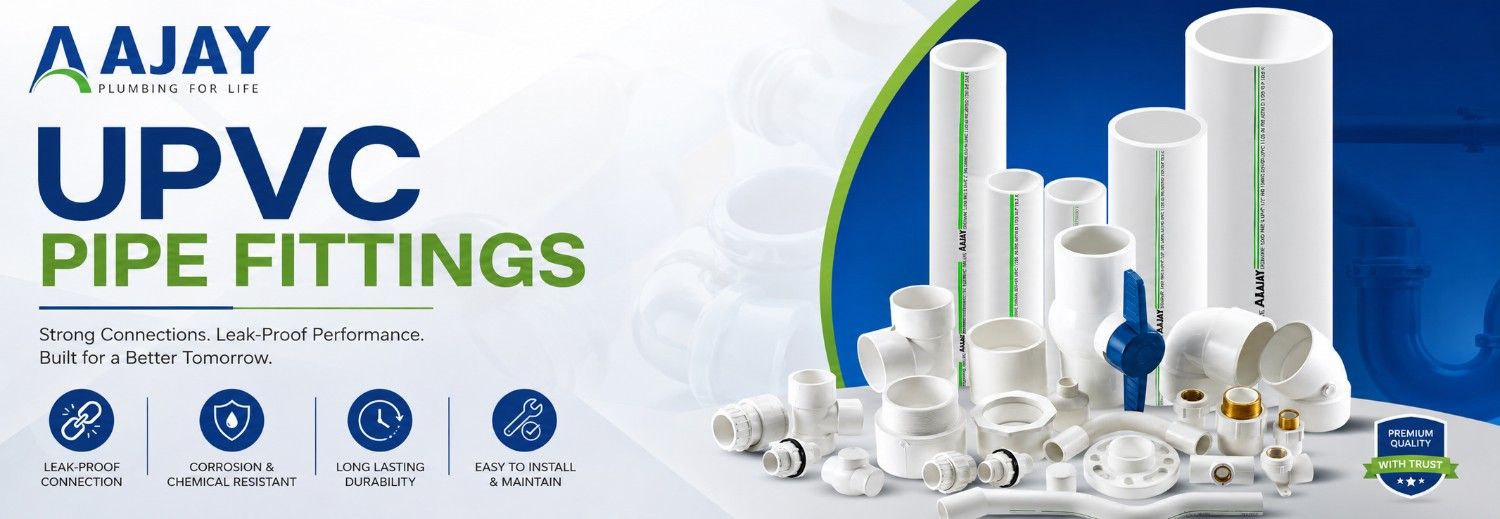
- UPVC Pipes
- PEX Pipes
- Copper Pipes
- Galvanized Iron (GI) Pipes
Each type has unique benefits and limitations depending on the application.
Types of Water Supply Pipes
1. PVC Pipes (Polyvinyl Chloride)
PVC pipes are lightweight, affordable, and easy to install.
Pros
- Ideal for cold water supply
- Corrosion-resistant
- Budget-friendly
- Lightweight and easy to handle
Cons
- Not suitable for hot water applications
- Lower heat tolerance
Best For
- Outdoor irrigation systems
- Cold water pipelines
- Residential plumbing
2. CPVC Pipes (Chlorinated Polyvinyl Chloride)
CPVC pipes are an upgraded version of PVC pipes and can withstand higher temperatures.
Pros
- Suitable for both hot and cold water supply
- Resistant to chemicals and corrosion
- Durable and long-lasting
- Easy installation
Cons
- Slightly more expensive than PVC pipes
Best For
- Indoor plumbing systems
- Hot water pipelines
- Modern residential homes
3. UPVC Pipes (Unplasticized Polyvinyl Chloride)
UPVC pipes are highly durable and eco-friendly because they do not contain plasticizing agents.
Pros
- Corrosion-free
- Chemical-resistant
- Long lifespan
- Low maintenance
Cons
- Not suitable for high-temperature hot water applications
Best For
- Cold water supply systems
- Residential and commercial buildings
4. PEX Pipes (Cross-linked Polyethylene)
PEX pipes are flexible and widely used in modern plumbing systems.
Pros
- Flexible and easy to install
- Works well for hot and cold water
- Suitable for concealed piping
- Reduces joint requirements
Cons
- UV-sensitive
- Requires protection for outdoor use
Best For
- Concealed piping systems
- Radiant heating systems
- Residential plumbing
5. Copper Pipes
Copper pipes are a traditional plumbing choice known for durability and reliability.
Pros
- Resistant to corrosion
- Handles high temperatures
- Long-lasting
- Recyclable material
Cons
- Expensive
- Requires professional installation
Best For
- Hospitals
- Premium plumbing systems
- Areas requiring high water quality standards
6. Galvanized Iron (GI) Pipes
GI pipes were commonly used in older plumbing systems but are now less preferred for residential use.
Pros
- Strong and durable
- Handles high water pressure
Cons
- Prone to rust over time
- Heavy and difficult to install
- May contaminate water due to corrosion
Best For
- Industrial applications
- High-pressure water systems
Factors to Consider Before Choosing the Best Pipe for Water Supply
1. Water Quality
Water quality directly impacts pipe lifespan. Hard or contaminated water can accelerate corrosion in metal pipes.
Recommended Options
- CPVC Pipes
- UPVC Pipes
These materials resist corrosion and maintain water quality effectively.
2. Temperature Resistance
For hot water supply, choose pipes designed to withstand higher temperatures.
Suitable Pipes for Hot Water
- CPVC Pipes
- PEX Pipes
- Copper Pipes
Suitable Pipes for Cold Water
- PVC Pipes
- UPVC Pipes
3. Durability and Maintenance
The best water pipes should resist:
- Corrosion
- Chemical damage
- Leakage
- Cracking
Durable pipe systems reduce long-term repair and maintenance costs.
Top Durable Options
- CPVC Pipes
- PEX Pipes
- UPVC Pipes
4. Budget
Some pipes may cost more initially but save money over time through:
- Lower maintenance
- Longer lifespan
- Better durability
Budget-Friendly Options
- PVC Pipes
- UPVC Pipes
Premium Options
- Copper Pipes
- PEX Pipes
5. Safety Standards
Always ensure that the selected pipes are:
- Certified for potable water use
- Free from harmful chemicals
- Manufactured according to industry standards
Best Water Pipes for Home Use
For most residential pipe home systems, the following pipes are highly recommended:
CPVC Pipes
- Suitable for hot and cold water
- Durable and safe
- Corrosion-resistant
UPVC Pipes
- Ideal for cold water supply
- Cost-effective and long-lasting
PEX Pipes
- Flexible and easy to install
- Excellent for concealed plumbing systems
Best Water Pipes for Commercial & Industrial Use
Commercial and industrial projects often require pipes capable of handling high pressure and temperature.
CPVC Pipes
- Reliable for high-temperature applications
- Commonly used in hotels, hospitals, and factories
GI Pipes
- Used in industrial high-pressure systems
- Strong and durable
Copper Pipes
- Preferred where hygiene and heat resistance are important
Expert Recommendations: Which Pipe is Best for Water Supply?
Plumbing experts often recommend CPVC pipes as the best pipe for water supply because they offer:
- Hot and cold water compatibility
- Excellent durability
- Corrosion resistance
- Cost-effectiveness
- Easy installation
For cold water-only applications, UPVC pipes remain one of the most affordable and reliable choices.
Maintenance Tips for Water Supply Pipes
Proper maintenance can significantly increase the lifespan of your plumbing system.
Helpful Maintenance Tips
- Regularly inspect pipes for leaks and cracks
- Use high-quality fittings and connectors
- Flush the system periodically to remove mineral buildup
- Insulate hot water pipes to prevent heat loss
- Protect outdoor pipes from extreme weather conditions
Conclusion
Choosing the best pipe for water supply is essential for building a safe, reliable, and efficient plumbing system.
Factors such as:
- Water quality
- Temperature resistance
- Durability
- Budget
- Safety standards
all influence the right choice for your project.
For most residential applications, CPVC and UPVC pipes are among the best options due to their durability, affordability, and low maintenance requirements. For specialized applications, PEX and copper pipes are excellent alternatives.
Investing in the right water supply pipes ensures safe water flow, reduces maintenance costs, and provides long-term reliability for homes and commercial buildings alike.
FAQ:-
The best pipe for water supply depends on your application. For hot and cold water, CPVC pipes are the most reliable choice due to their durability and heat resistance. For cold water distribution, UPVC pipes are highly recommended as they are cost-effective and long-lasting.
CPVC pipes are resistant to corrosion, safe for drinking water, and suitable for both hot and cold water applications. They also require low maintenance and are highly durable compared to traditional metal pipes.
Several companies manufacture high-quality CPVC pipes, but the best CPVC pipe company in India is one that offers certified, durable, and cost-effective products suitable for long-term use in both residential and commercial projects.
The best CPVC pipes in India are those that meet safety standards for potable water, can withstand high temperatures, and ensure leak-free performance. Always choose branded pipes from trusted CPVC manufacturers for long-lasting results.
To choose the best CPVC pipes, consider factors like water quality, temperature resistance, durability, and warranty. It’s also important to buy from reputed CPVC pipes companies in India that follow strict safety and quality standards.
Yes, CPVC pipes are better for hot and cold water supply since they can handle higher temperatures compared to PVC and UPVC. However, for cold water supply only, UPVC pipes are a more affordable and durable option.
Yes, CPVC pipes are widely used in commercial buildings, hotels, hospitals, and industries because of their ability to handle high temperatures and resist chemical damage.
For any queries, contact the plumbing experts at Ajay pipes on the Toll Free No. : 1800-11-4050 or via email at our email address info@ajaypipes.com