Water Supply Pipe: A Complete Guide to Choosing the Right Plumbing Solution
Introduction
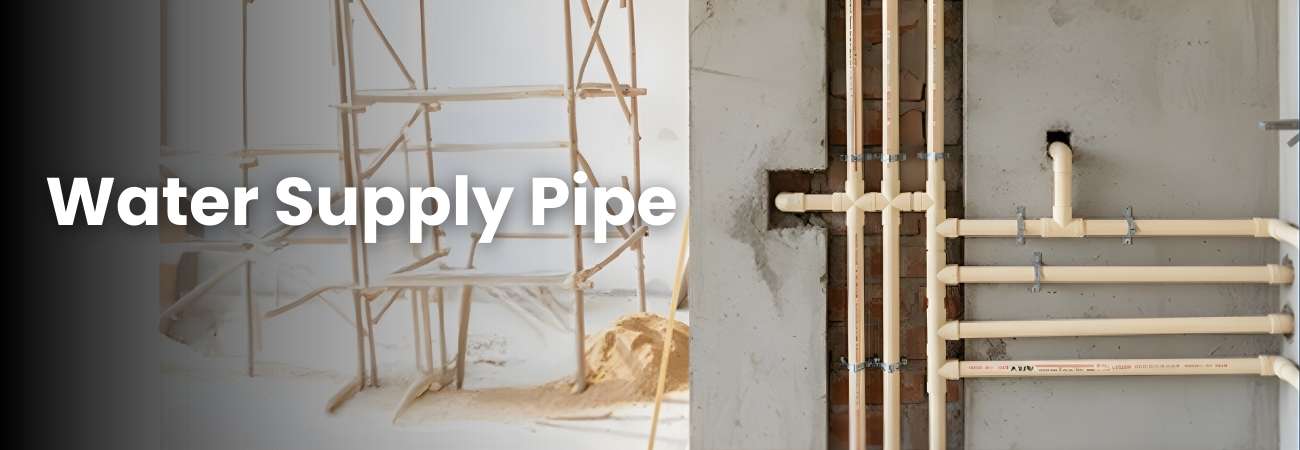
A reliable water supply pipe is the backbone of any plumbing system, whether in a residential home, commercial building, or infrastructure project. From delivering clean drinking water to maintaining consistent pressure across taps, the quality of water supply pipes directly affects health, safety, and long-term maintenance costs.
Modern water supply pipes are stronger, more durable, and easier to install than traditional metal pipes. However, choosing the right pipes for water supply requires an understanding of materials, applications, pressure ratings, and performance characteristics.
This guide explores everything you need to know about water supply pipes, including their types, benefits, selection factors, installation tips, and maintenance requirements.
What Is a Water Supply Pipe?
A water supply pipe is a plumbing component designed to transport potable water from a main source to outlets such as taps, showers, storage tanks, and appliances. These pipes must meet appropriate quality and safety standards to help keep drinking water clean and ensure efficient flow.
Modern plumbing pipes are designed to withstand:
- High water pressure
- Temperature variations
- Corrosion and chemical exposure
- Long-term use
- Regular water flow
Choosing the right water supply pipe can help ensure uninterrupted water delivery while reducing the risk of leaks, contamination, and premature pipe failure.
Importance of High-Quality Water Supply Pipes
Using low-quality pipes can result in leakage, contamination, reduced water pressure, and expensive repairs. High-quality pipes for water supply provide several important benefits.
1. Safe Drinking Water
Certified pipes intended for potable water applications can help minimise the risk of unwanted substances entering the water supply.
2. Long-Term Durability
Modern plumbing pipes can offer excellent resistance to corrosion, rust, and scaling, helping extend the service life of the plumbing system.
3. Consistent Water Pressure
Properly selected and correctly sized water supply pipes help maintain efficient water flow and consistent pressure throughout the plumbing network.
4. Low Maintenance
Durable pipes and properly installed joints reduce the likelihood of frequent leaks, repairs, and replacements.
Types of Water Supply Pipes Used in Plumbing
Different plumbing applications require different types of water supply pipes. The most commonly used options include PVC, CPVC, and UPVC pipes.
1. PVC Water Supply Pipes
PVC (Polyvinyl Chloride) pipes are lightweight, economical, and widely used for cold-water supply applications. Their corrosion resistance and easy installation make them a popular option for residential and other suitable plumbing systems.
Key benefits:
- Affordable and lightweight
- Resistant to corrosion
- Suitable for cold-water applications
- Easy to handle and install
- Long-lasting with proper installation
2. CPVC Plumbing Pipes
CPVC (Chlorinated Polyvinyl Chloride) pipes are designed for hot- and cold-water applications. They offer greater temperature resistance than standard PVC and are widely used in residential and commercial plumbing systems.
Key benefits:
- Suitable for hot-water applications
- Good heat and corrosion resistance
- Lightweight and easy to install
- Compatible with solvent-welded joints
- Suitable for potable-water applications when properly certified
3. UPVC Water Supply Pipes
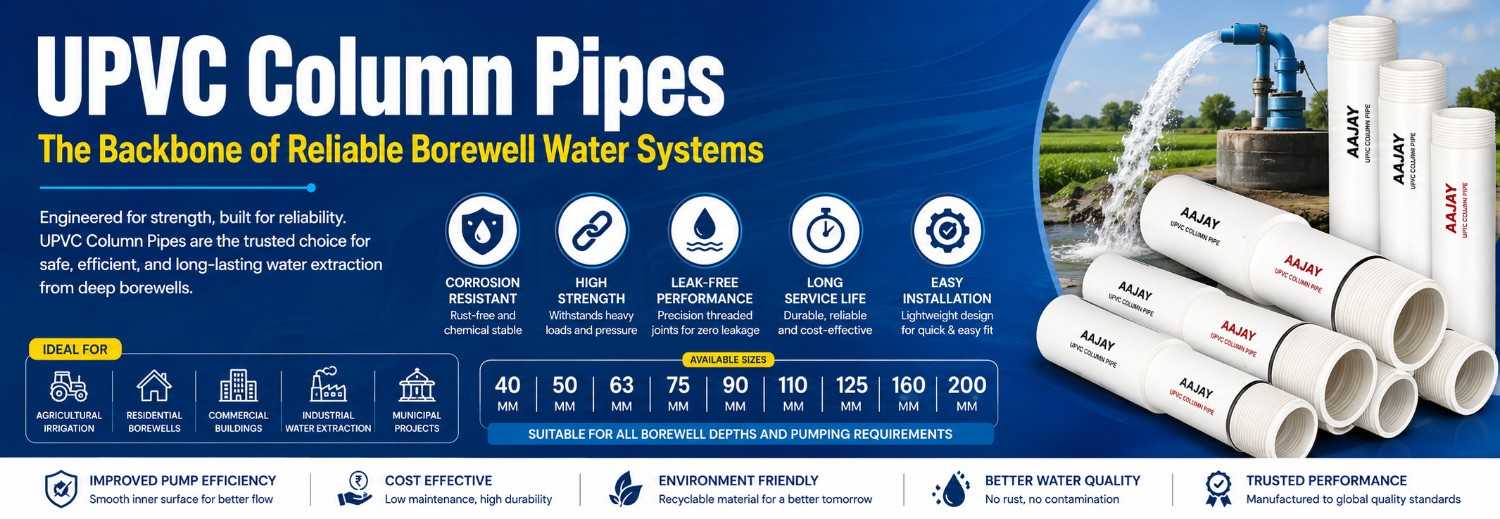
UPVC (Unplasticized Polyvinyl Chloride) pipes are rigid and durable and are used in a variety of water distribution applications. Their strength and resistance to corrosion make them suitable for many residential, commercial, and infrastructure projects.
Key benefits:
- Good pressure-handling capability
- Rigid and durable construction
- Resistant to rust and corrosion
- Low maintenance
- Suitable for various water distribution systems
Key Factors to Consider When Choosing Water Supply Pipes
Selecting the right water supply pipe depends on several factors. Consider the following before making a choice.
1. Water Temperature
For hot-water applications, CPVC is generally more suitable than standard PVC. PVC is commonly used for appropriate cold-water applications.
2. Water Pressure
Consider the operating pressure of the plumbing system. The selected pipe should have a suitable pressure rating for the intended application.
3. Installation Area
For concealed plumbing and other challenging installation environments, choose a pipe material that provides the required durability, temperature resistance, and service life.
4. Water Quality
For drinking-water systems, always choose pipes and fittings that are certified or approved for potable-water use according to applicable standards.
5. Budget and Service Life
Initial cost should not be the only consideration. A durable pipe with lower maintenance requirements can provide better value over the entire service life of the plumbing system.
Benefits of Modern Plumbing Pipes for Water Supply
Modern plumbing pipes offer several advantages compared with traditional metal piping systems.
- Corrosion-resistant performance
- Reliable and secure joints when correctly installed
- Smooth internal surfaces for efficient water flow
- Lightweight construction
- Easy handling and installation
- Low maintenance requirements
- Long service life
- Suitable options for residential and commercial applications
These advantages make modern pipes for water supply a practical choice for many plumbing projects.
Applications of Water Supply Pipes
Water supply pipes are used in a wide range of residential, commercial, and infrastructure applications, including:
- Residential houses and apartments
- Commercial buildings and offices
- Hospitals and healthcare facilities
- Schools and educational institutions
- Hotels and restaurants
- Industrial facilities
- Public water infrastructure
Each application requires careful pipe selection based on factors such as water temperature, operating pressure, installation conditions, and intended use.
For more information about different pipe options, explore this guide to types of plumbing pipes.
Installation Tips for Water Supply Pipes
Proper installation is just as important as selecting a high-quality pipe. Follow these practices to improve system performance and reliability:
- Use compatible fittings, connectors, and valves.
- Measure and cut pipes accurately.
- Avoid unnecessary sharp bends.
- Ensure joints are properly prepared and sealed.
- Follow the manufacturer’s installation instructions.
- Maintain suitable pipe support and alignment.
- Conduct pressure testing after installation.
- Check the complete system for leaks before putting it into regular service.
Professional installation can help prevent common plumbing problems and improve the long-term reliability of the water supply system.
Maintenance and Care of Water Supply Pipes
Although modern water supply pipes generally require minimal maintenance, regular inspections can help identify problems before they become serious.
Recommended maintenance practices include:
- Inspect pipe joints and fittings periodically.
- Check for visible leaks or unexplained pressure drops.
- Examine exposed pipes for damage or deterioration.
- Protect suitable pipe systems from excessive heat and direct sunlight where required.
- Clean filters, valves, and other connected components regularly.
- Address leaks and damaged fittings promptly.
Preventive maintenance can help extend the service life of the plumbing system and reduce unexpected repair costs.
Conclusion
Choosing the right water supply pipe is essential for creating a safe, efficient, and durable plumbing system. PVC, CPVC, and UPVC pipes each offer specific advantages and should be selected according to water temperature, pressure, installation conditions, water quality requirements, and intended application.
By investing in high-quality pipes for water supply and ensuring proper installation and maintenance, homeowners, contractors, and businesses can achieve reliable water flow, reduced maintenance requirements, and long-term plumbing performance.
FAQ:-
1. Which water supply pipe is best for home use?
CPVC and UPVC pipes are ideal for homes due to their durability, safety, and resistance to heat and pressure.
2. Are PVC pipes safe for drinking water?
Yes, certified PVC and CPVC pipes are completely safe for potable water and do not affect taste or quality.
3. What is the lifespan of water supply pipes?
High-quality water supply pipes can last 25–50 years, depending on material, installation, and usage.
4. Can the same pipe handle hot and cold water?
Not all pipes are suitable for hot water. CPVC pipes are ideal for both hot and cold water, while PVC is only recommended for cold water.
5. How do I choose the right water supply pipe?
Consider water temperature, pressure, installation location, and budget. Consulting a professional plumber ensures the right choice.
For any queries, contact the plumbing experts at Ajay pipes on the Toll Free No. : 1800-11-4050 or via email at our email address info@ajaypipes.com