PVC Pipe: The Complete Guide for Water Supply & Plumbing Systems
Introduction
PVC pipe has become one of the most widely used piping solutions in residential, commercial, and industrial construction. Thanks to its durability, affordability, and corrosion resistance, it plays a crucial role in modern plumbing and water management systems. Additionally, whether you are building a new home, upgrading your plumbing network, or working on an infrastructure project, understanding its benefits and applications can help you make the right decision.
In this detailed guide, we will explore everything about PVC pipe, including its features, advantages, applications, and installation process. You’ll also see why it works well as a water pipe, a plumbing pipe, and a reliable option for water supply.
What is PVC Pipe?
PVC stands for Polyvinyl Chloride, a synthetic plastic polymer widely used in the construction industry, as documented in material references such as Polyvinyl chloride. Manufacturers produce PVC pipes using advanced extrusion technology, resulting in strong, lightweight, and durable piping systems.
Because of this process, PVC piping systems can handle both cold water supply and drainage applications. Thanks to their non-corrosive properties and smooth inner surface, they ensure efficient water flow without scaling or rust formation.
Key Features of PVC Pipe
PVC pipes are popular because of their excellent structural and chemical properties. Below are the key features that make this piping highly reliable:
- Corrosion Resistance
Unlike metal pipes, PVC pipes do not rust, corrode, or degrade due to chemical exposure. As a result, they’re ideal for underground and concealed plumbing systems. - Lightweight & Easy Installation
This piping is significantly lighter than metal pipes, which makes transportation and installation easier and more cost-effective. - Smooth Internal Surface
Its smooth inner wall reduces friction loss, ensuring better water flow efficiency throughout the system. - Long Service Life
A properly installed PVC pipe can last 40–50 years or more, depending on usage and environmental conditions. - Leak-Proof Joints
Solvent cement welding creates strong, leak-proof joints in these installations.
Types of PVC Pipes
PVC pipes come in different types based on their application:
- uPVC Pipes (Unplasticized PVC)
uPVC pipes are rigid and widely used in plumbing and water supply systems. Because they’re safe for drinking water, plumbers commonly choose them for water-supply lines. - CPVC Pipes
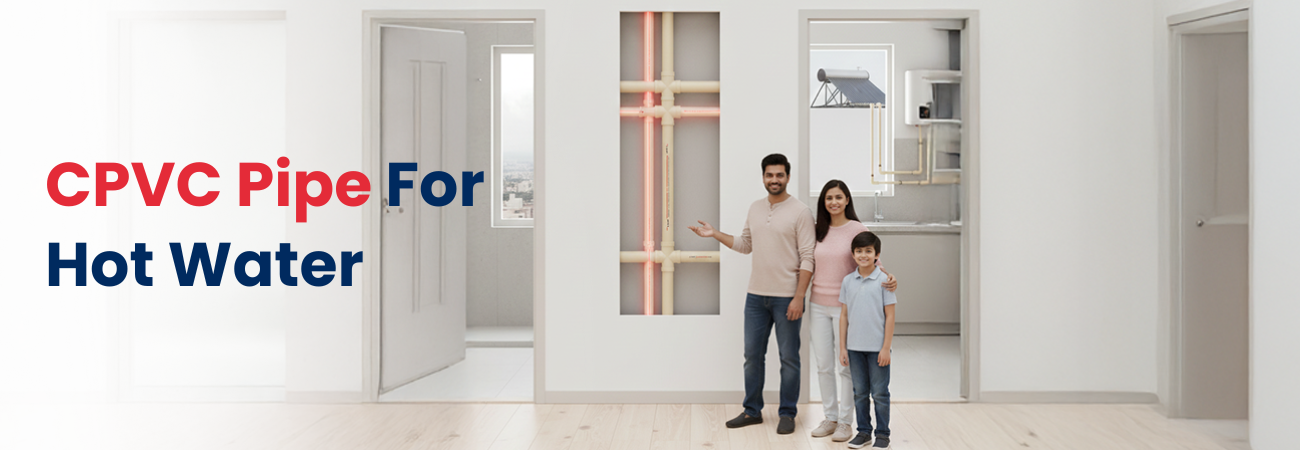
Although technically different from PVC, CPVC is a modified version suitable for hot and cold water systems. - PVC Drainage Pipes
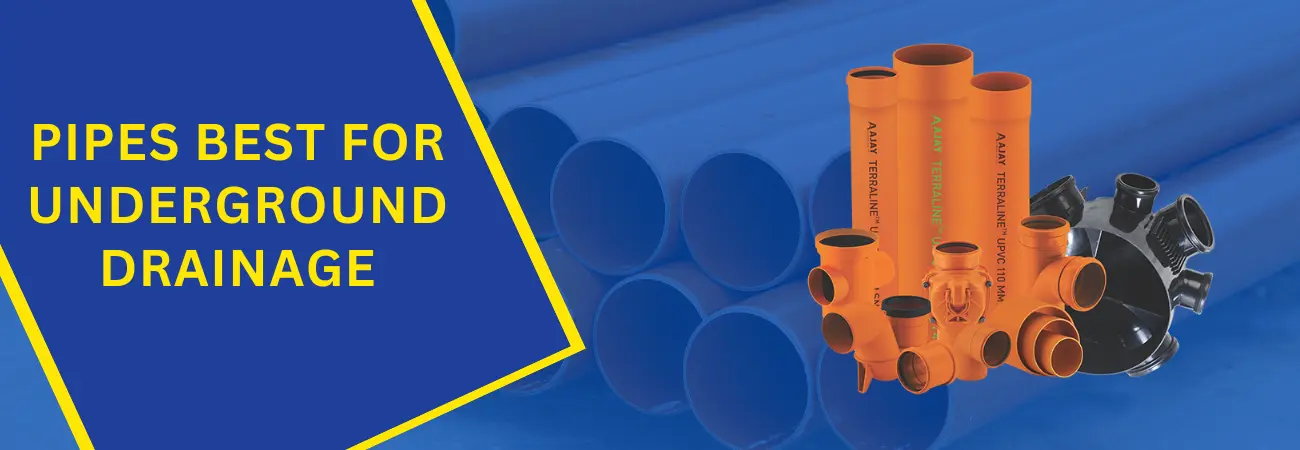
Plumbers also use these for waste management and drainage systems, thanks to their chemical resistance and strength.
Applications of PVC Pipe
PVC pipes serve multiple sectors in versatile ways:
- Residential Plumbing
This piping is commonly used in homes for water distribution, drainage, and waste disposal. - Water Supply Systems
Municipal water-supply lines widely rely on it due to its reliability and durability. - Agricultural Irrigation
Farmers prefer PVC pipe for irrigation because it is lightweight, affordable, and resistant to chemicals present in fertilizers. - Industrial Applications
Industries also use it for chemical transportation and fluid handling, thanks to its corrosion resistance. - Underground Piping
For underground installations, this piping resists soil chemicals and moisture well.
Advantages of Using PVC Pipe for Water Supply
When it comes to selecting a PVC pipe for water supply, several benefits make it the preferred choice:
- Safe for Drinking Water
uPVC pipes are non-toxic and don’t contaminate water, making them suitable for potable water supply. - Cost-Effective
This piping is also more affordable compared to metal pipes like copper or galvanized steel. - Low Maintenance
Because of its corrosion resistance, it requires minimal maintenance over time. - Energy Efficient
Furthermore, the smooth interior reduces pumping costs by minimizing friction losses. - Environmentally Friendly
PVC pipes are recyclable and have a lower carbon footprint compared to many traditional materials.
PVC Plumbing Pipe vs. Metal Pipes
Many homeowners often compare this piping with traditional metal pipes. Here’s a quick comparison:
Feature | PVC Pipe | Metal Pipe |
|---|---|---|
Corrosion | No rust | Prone to rust |
Cost | Affordable | Expensive |
Installation | Easy | Complex |
Lifespan | 40–50 years | 20–30 years |
Maintenance | Low | High |
Installation Process of PVC Pipe
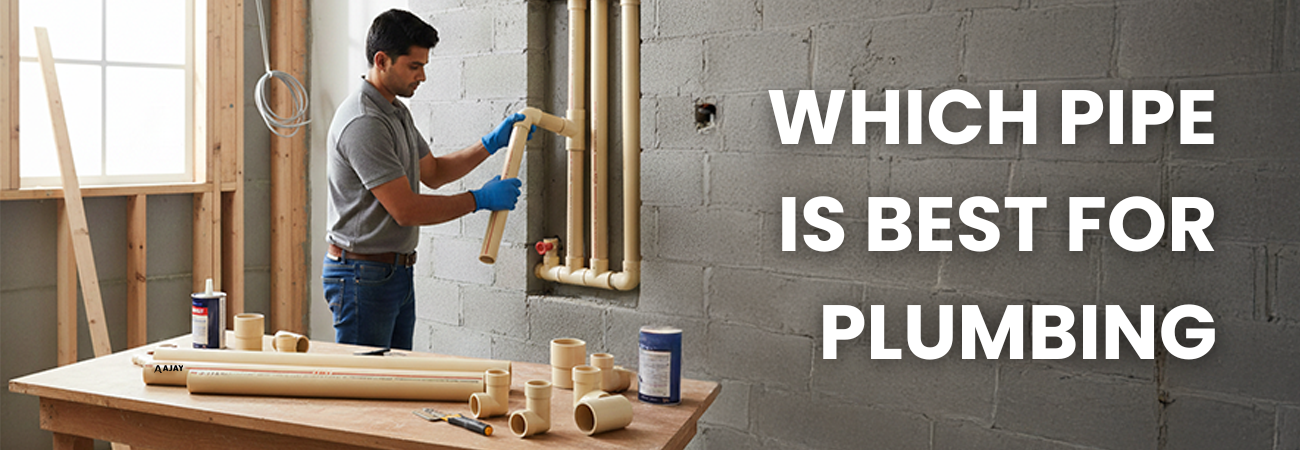
Installing this piping is relatively simple but must be done correctly for leak-proof performance.
Step 1: Measure & Cut
Measure the required length and cut the pipe using a pipe cutter.
Step 2: Clean the Surface
Remove burrs and clean the pipe ends to ensure proper bonding.
Step 3: Apply Primer & Solvent Cement
Apply primer followed by solvent cement to both pipe and fitting.
Step 4: Join the Pipe
Insert the pipe into the fitting and hold for a few seconds to secure the joint.
Step 5: Allow Curing Time
Let the joint cure properly before testing water flow.
Overall, proper installation ensures the system remains leak-free for years.
Maintenance Tips for PVC Pipes
Although this piping requires minimal maintenance, following these tips can extend its lifespan:
- Avoid excessive pressure beyond recommended limits
- Protect exposed pipes from direct sunlight
- Inspect joints periodically for leaks
- Avoid physical impact or bending
Overall, regular inspection ensures long-lasting performance.
How to Choose the Right PVC Pipe
When selecting a PVC pipe for water supply or plumbing, consider the following factors:
- Pipe Diameter
Choose the correct diameter based on water flow requirements. - Pressure Rating
Ensure the pipe meets the required pressure rating for your application. - Quality Certification
Look for ISI certification and compliance with industry standards. - Brand Reputation
Finally, select reliable manufacturers known for high-quality piping systems.
Future of PVC Pipes in India
With rapid urbanization and infrastructure development, demand for this piping continues to grow. Moreover, government initiatives for rural water supply and smart cities are further boosting demand for durable, affordable piping solutions. As a result, PVC pipes are expected to remain a dominant choice thanks to their strength, affordability, and environmental benefits.
Conclusion
PVC pipe has transformed modern plumbing and water supply systems with its durability, corrosion resistance, and cost-effectiveness. Whether you’re installing a new plumbing system at home or managing a large-scale infrastructure project, it offers reliable, long-lasting performance.
Ultimately, from residential plumbing to industrial water-supply networks, this piping delivers efficiency, safety, and value for money. By choosing high-quality PVC pipes and ensuring proper installation, you can enjoy a maintenance-free system for decades.
FAQ:-
1. Is PVC pipe safe for drinking water?
Yes, uPVC pipes are non-toxic and safe for potable water supply. They do not react with water or cause contamination.
2. What is the lifespan of a PVC water pipe?
A high-quality PVC water pipe can last 40–50 years or more when installed properly and maintained under recommended pressure conditions.
3. Can PVC plumbing pipe handle high water pressure?
Yes, PVC plumbing pipes are available in different pressure ratings. Always choose the correct pressure class for your application.
4. Is PVC pipe suitable for underground installation?
Yes, PVC pipe is resistant to corrosion and soil chemicals, making it ideal for underground water supply systems.
5. What is the difference between PVC and CPVC pipes?
PVC pipes are mainly used for cold water supply and drainage, while CPVC pipes are suitable for both hot and cold water applications.
For any queries, contact the plumbing experts at Ajay pipes on the Toll Free No. : 1800-11-4050 or via email at our email address info@ajaypipes.com