PVC Pipe Full Form – Complete Guide to Meaning, Uses & Benefits
Introduction
PVC pipes are one of the most commonly used piping solutions in residential, commercial, and industrial construction. Whether you are a homeowner, contractor, or plumbing professional, understanding the PVC pipe full form and its applications can help you make informed decisions for water supply and drainage systems.
In this detailed guide, we will explore the PVC pipe meaning, the PVC full form in plumbing, its features, advantages, manufacturing process, and why it is widely used as a PVC pipe for water supply.
What is the PVC Pipe Full Form?
The PVC pipe full form is Polyvinyl Chloride.
Polyvinyl Chloride (PVC) is a synthetic thermoplastic polymer made from vinyl chloride. It is strong, lightweight, durable, and highly resistant to corrosion. When molded into pipes, PVC becomes an efficient and cost-effective plumbing solution.
PVC is one of the most widely produced plastic materials in the world and plays a significant role in modern infrastructure.
PVC Pipe Meaning Explained
The PVC pipe meaning refers to pipes manufactured using Polyvinyl Chloride (PVC) material. These pipes are primarily used for transporting water, wastewater, and other fluids.
Unlike traditional metal pipes, PVC pipes:
- Do not rust
- Resist corrosion
- Have a longer lifespan
- Require minimal maintenance
Because of these advantages, PVC pipes have become the preferred choice for modern plumbing systems.
PVC Full Form in Plumbing Industry
In the plumbing industry, the PVC full form in plumbing is also Polyvinyl Chloride.
PVC pipes are commonly used for:
- Cold water supply lines
- Drainage systems
- Waste disposal pipelines
- Underground water pipelines
- Vent piping systems
They are widely installed in:
- Residential buildings
- Apartments
- Commercial complexes
- Industrial facilities
- Agricultural irrigation systems
Composition of PVC Pipes
PVC pipes are manufactured using a combination of:
- PVC resin (base material)
- Stabilizers
- Lubricants
- Fillers
- Impact modifiers
- Pigments
Rigid PVC pipes used in plumbing generally do not contain plasticizers, making them strong and pressure-resistant.
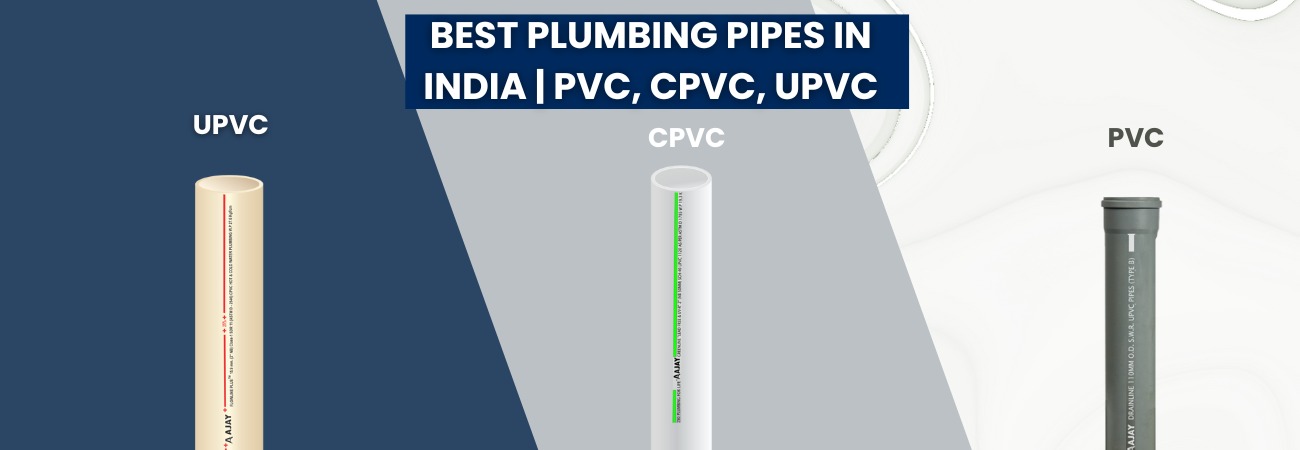
Types of PVC Pipes
Different types of PVC pipes are available for various applications.
1. uPVC (Unplasticized PVC)
- Rigid and durable
- Used for water supply
- Suitable for drainage systems
- Resistant to chemicals and corrosion
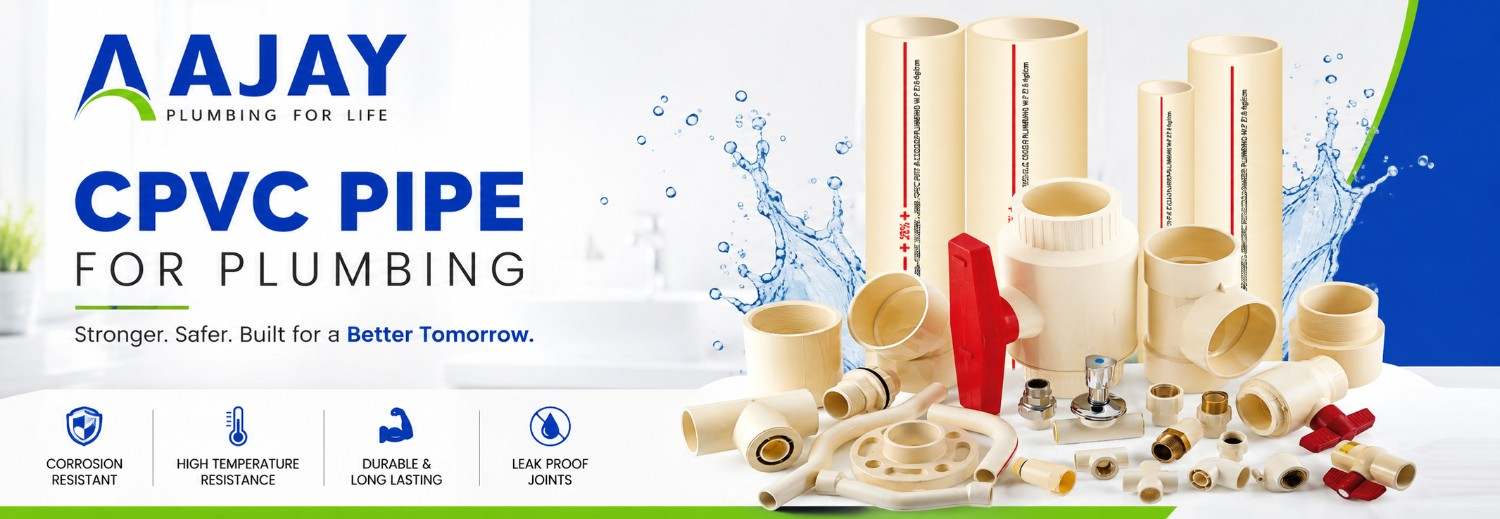
2. CPVC (Chlorinated PVC)
- Modified PVC with chlorine treatment
- Handles higher temperatures
- Suitable for both hot and cold water systems
3. PVC Pressure Pipes
Designed for:
- Municipal water supply
- Irrigation systems
- Industrial water distribution
4. PVC Conduit Pipes
Used to protect electrical wiring in residential and commercial buildings.
Why PVC Pipe for Water Supply is So Popular
One of the biggest applications of PVC pipes is in potable water distribution systems.
Corrosion Resistance
PVC never rusts like metal pipes, ensuring clean and safe water transportation.
Smooth Inner Surface
The smooth interior minimizes friction, allowing better water flow and reducing pressure loss.
Leak-Proof Joints
PVC pipes are connected using solvent cement, creating strong, leak-resistant joints.
Safe for Drinking Water
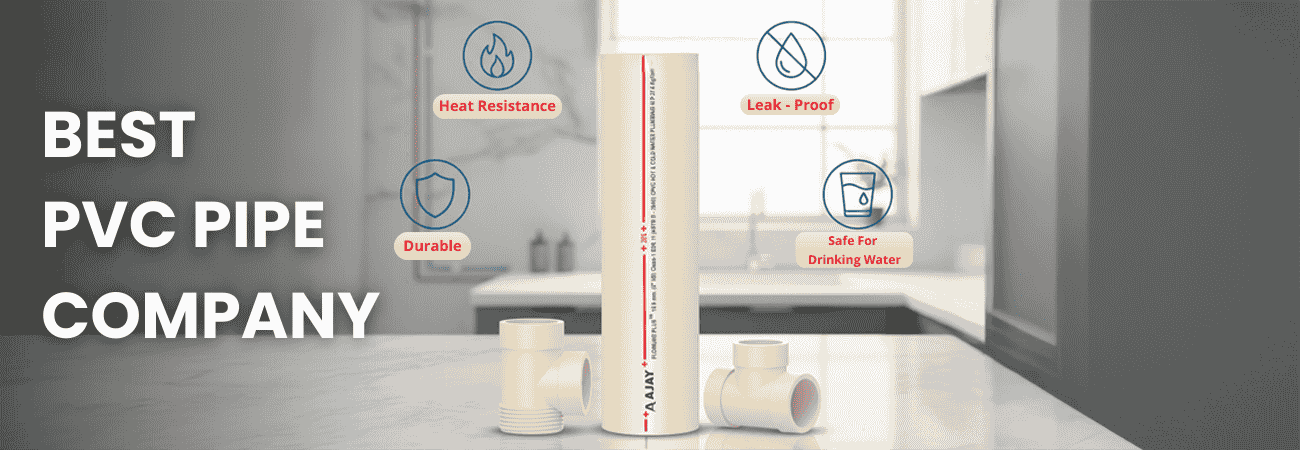
Certified PVC pipes are non-toxic and suitable for potable water systems.
Cost-Effective
PVC pipes are significantly more affordable than copper or galvanized steel pipes.
Key Features of PVC Pipes
PVC pipes offer numerous advantages, including:
- Lightweight design
- High tensile strength
- Excellent chemical resistance
- Long service life (40–50 years)
- Low maintenance requirements
- Easy transportation
- Quick installation
- Rust-free performance
Applications of PVC Pipes
PVC pipes are used across multiple industries.
Residential Applications
- Bathroom plumbing
- Kitchen water supply
- Drainage systems
- Overhead tank connections
- Rainwater harvesting
Commercial Applications
- Office buildings
- Shopping malls
- Hotels
- Hospitals
- Educational institutions
Agricultural Applications
- Irrigation systems
- Borewell connections
- Drip irrigation
- Sprinkler systems
Industrial Applications
- Chemical transportation
- Wastewater management
- Industrial process pipelines
- Cooling water systems
Advantages of PVC Pipes Over Metal Pipes
PVC pipes have replaced traditional metal pipes for several reasons.
No Rusting
Unlike iron or steel pipes, PVC remains corrosion-free throughout its service life.
Lower Installation Cost
PVC pipes are lightweight and easy to install, reducing labor expenses.
Longer Lifespan
They can last for decades with minimal maintenance.
Better Water Flow
The smooth inner walls prevent scaling and sediment buildup.
Lightweight
Easy handling reduces transportation and installation effort.
Chemical Resistance
PVC pipes resist a wide range of chemicals, making them suitable for industrial use.
Manufacturing Process of PVC Pipes
The production of PVC pipes involves the following steps:
- Mixing raw materials
- Heating and melting PVC resin
- Extrusion through pipe dies
- Cooling in water tanks
- Cutting into standard lengths
- Quality testing and inspection
Modern manufacturing facilities use advanced extrusion technology to ensure uniform thickness, strength, and durability.
Installation Process of PVC Pipes
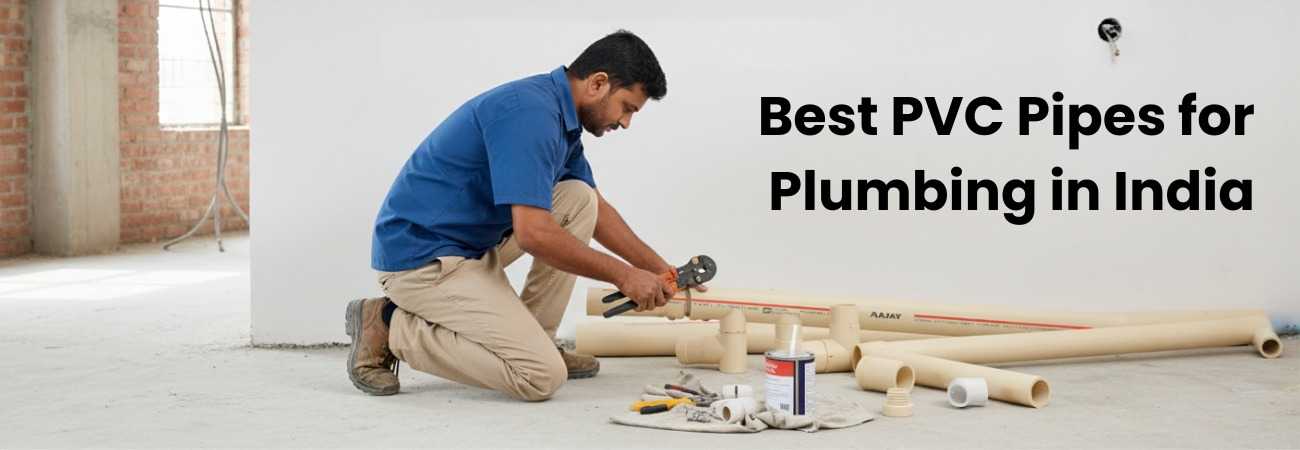
Installing PVC pipes is simple and efficient.
Step 1
Measure and cut the pipe accurately.
Step 2
Clean and smooth the pipe edges.
Step 3
Apply PVC primer (if recommended).
Step 4
Apply solvent cement evenly.
Step 5
Join the pipe and fitting securely.
Step 6
Allow adequate curing time before use.
Proper installation ensures leak-free performance and long service life.
Maintenance Tips for PVC Pipes
Although PVC pipes require very little maintenance, following these practices can extend their lifespan:
- Avoid excessive pressure
- Protect exposed pipes from prolonged sunlight
- Inspect joints periodically
- Prevent freezing in extremely cold conditions
- Replace damaged fittings immediately
PVC vs CPVC – Understanding the Difference
| Feature | PVC | CPVC |
|---|---|---|
| Full Form | Polyvinyl Chloride | Chlorinated Polyvinyl Chloride |
| Temperature Resistance | Cold water only | Hot & Cold water |
| Cost | More affordable | Slightly expensive |
| Applications | Water supply & drainage | Hot water plumbing |
Environmental Impact of PVC Pipes
PVC pipes contribute to sustainable infrastructure because:
- They require less energy to manufacture than metal pipes.
- They are recyclable.
- Their long lifespan reduces replacement frequency.
- Many manufacturers now produce lead-free, eco-friendly PVC pipes.
Why PVC Pipes Dominate the Indian Market
PVC pipes are widely preferred in India because of:
- Cost-effectiveness
- Easy availability
- Excellent durability
- Resistance to varied climatic conditions
- Government infrastructure development
- Growing urbanization
They are extensively used in residential, agricultural, commercial, and municipal water supply projects.
Future of PVC Pipes in Infrastructure
The demand for PVC pipes continues to grow due to:
- Rapid urban development
- Smart city infrastructure projects
- Improved manufacturing technology
- Higher pressure ratings
- Sustainable production methods
PVC piping systems are expected to remain a preferred choice for modern construction for decades.
Conclusion
The PVC pipe full form is Polyvinyl Chloride, a durable, lightweight, and cost-effective material widely used for plumbing and water distribution systems. Understanding the PVC pipe meaning and the PVC full form in plumbing helps homeowners, builders, and professionals select the right piping solution for their projects.
Whether used in residential buildings, agricultural irrigation, commercial facilities, or industrial applications, PVC pipe for water supply delivers excellent performance, corrosion resistance, easy installation, and long-term reliability, making it one of the most trusted piping materials available today.
FAQ:-
1. What is the PVC pipe full form?
The PVC pipe full form is Polyvinyl Chloride Pipe.
2. What is the PVC pipe meaning?
PVC pipe meaning refers to plastic pipes made from Polyvinyl Chloride material used for water and drainage systems.
3. What is PVC full form in plumbing?
In plumbing, PVC stands for Polyvinyl Chloride, commonly used for cold water supply and drainage systems.
4. Is PVC pipe suitable for water supply?
Yes, PVC pipe for water supply is widely used because it is corrosion-resistant, lightweight, and safe for potable water.
5. How long do PVC pipes last?
PVC pipes typically last 40–50 years or more when properly installed and maintained.
For any queries, contact the plumbing experts at Ajay pipes on the Toll Free No. : 1800-11-4050 or via email at our email address info@ajaypipes.com