

PVC Pipe Fittings
What are PVC Pipe Fittings?
What are PVC Pipe Fittings?
Plastic pipe connectors, known as pipe fittings, join multiple pipes of the same or different sizes in plumbing and drainage systems, either to lengthen the pipeline or change the direction of flow. This joining action regulates water flow throughout the system. Fittings combine, divert, or reduce water flow depending on their design, and they come in a variety of sizes and shapes. Together, PVC pipe and fittings form an essential part of any water supply or drainage system.
Builders and plumbers use Polyvinyl Chloride (PVC) or Unplasticized Polyvinyl Chloride (UPVC) pipe fittings as connectors for all plumbing and drainage purposes in residential and commercial buildings, and these fittings work well for cold water distribution up to 60°C. Irrigation systems, municipal water supply networks, and various industrial applications also rely on PVC pipes and fittings. In India, PVC pipes and fittings have remained the material of choice, with a proven track record across all these applications for over 50 years.
Overview of PVC Fittings
PVC fittings play an essential role in plumbing applications, offering versatility, durability, and affordability. Whether you’re a professional plumber or a homeowner, understanding the sizes, types, and uses of these fittings proves crucial to a successful project. These fittings serve a huge range of plumbing applications, so let’s explore the areas where each type works best.
Residential plumbing
Residential plumbing systems use these fittings for drainage, water supply, and venting.
Irrigation system
Irrigation systems use these fittings to connect valves, pipes, and sprinklers, making them a reliable choice for farms and gardens.
Spa and pool plumbing
PVC pipe fittings serve as an ideal choice for spa and pool plumbing because they resist chlorine and other chemicals.
Industrial system
Industrial settings widely use these fittings for wastewater management, chemical processing, and ventilation systems.
Proper installation of fittings matters greatly for a leak-free system, so follow these techniques carefully. First, measure and cut the pipes to the correct length using a PVC cutter. Next, clean the pipes with a PVC cleaner to remove dust. Apply adhesive evenly across the joint. Immediately after applying the adhesive, join the pipes and fittings together to ensure a tight fit, and hold the connection for a few seconds to let it set.
Types of PVC Pipe Fittings or PVC Fitting Names
1. PVC Fittings Based on Shape or PVC Fitting Names
Fittings that connect and branch pipes
PVC Tee
PVC Tee fittings connect three pipes in plumbing or drainage applications. Shaped like the letter T, a tee has one inlet and two outlets set at a right angle (90 degrees). In drainage systems, a tee can combine flow from two inlets into one outlet, while in plumbing systems it splits flow into two outlets.
PVC Wye or Y
PVC Wye (Y) fittings also connect three pipes. Shaped like the letter Y, a wye has one inlet and two outlets set at a 120-degree angle; in drainage applications, two inlets come together at 45 degrees into a single outlet. This design lets a wye combine flow from two inlets into one outlet as well.
Fittings that change flow direction
PVC Elbow Joint or Bend
PVC Elbow (or bend) fittings change the direction of flow between two connected pipes. Common elbows come with 90-degree and 45-degree bends, and installers join elbow fittings together to route pipe runs around obstructions.
Fittings that join and repair pipes
PVC Coupling
A coupling is a very short length of pipe or tube with a socket at one or both ends, allowing two pipes to join together. Plumbers use couplings to repair a broken or leaking pipe.
PVC Union
Like couplings, union fittings also connect two similar pipes, but a union consists of three pieces: a nut, a female end, and a male end. Once the female and male ends join together, the nut applies the pressure needed to seal the joint.
Fittings that adjust pipe size
PVC Reducer
Plastic pipe reducer fittings connect large-diameter pipes to smaller-diameter pipes. A reducer changes the pipe size to meet the hydraulic flow requirements of the system.
PVC Bushing
Plumbers also call plastic bushings reducer bushings, and they connect two pipes of different sizes. The bushing’s larger diameter fits inside the larger pipe, while its smaller end fits inside the smaller pipe.
Fittings that cap, seal, and control flow
PVC End Cap
Cap fittings cover the end of a pipe to stop the flow of gas or water. Installers place them at the endpoint of a piping system, and they also use caps in piping headers to prepare for future connections.
PVC Flange
Flange fittings are flat and round, creating a tight seal with bolts and clamps. Installers use these fittings when pipes pass through walls, ceilings, and floors.
PVC Valves
Valves adjust the flow of fluids and come in several types, including throttling, non-return, and isolation valves. Throttling valves control the pressure and amount of liquid flowing through the pipe, while non-return valves — also known as check valves — allow liquid to flow in only one direction.
Fittings that connect different pipe types
PVC Adaptors (male & female)
Plastic adaptors connect pipes of different types, since an adaptor can have a male or female end. When the ends are non-threaded, installers weld, solder, or glue them to the pipe. Different types of water systems widely use PVC adaptors.


2. PVC Fitting Type Based on Application
Pressure pipe fittings: Pressure pipe fittings, used in plumbing, are thicker and heavier and serve water supply applications. Manufacturers produce them in different pressure classes.
Non-pressure pipe fittings: Non-pressure pipe fittings, used in drainage, are lightweight and resist many chemicals and waste fluids.
3. Pipe Fitting Type Based on Jointing System
Solvent cement – Solvent cement comes in liquid or gel form, and installers use it to join PVC pipes and other types of plastics. It offers a very convenient jointing method, and pressure pipe fittings usually use the solvent joint type.
Rubber ring – In this technique, a compressed rubber ring housed in the socket of a pipe or fitting creates a fluid seal as the spigot passes into the socket. Non-pressure applications normally use rubber ring type fittings, though some elastomeric rubber ring joints are also designed for pressure applications in water supply and irrigation.
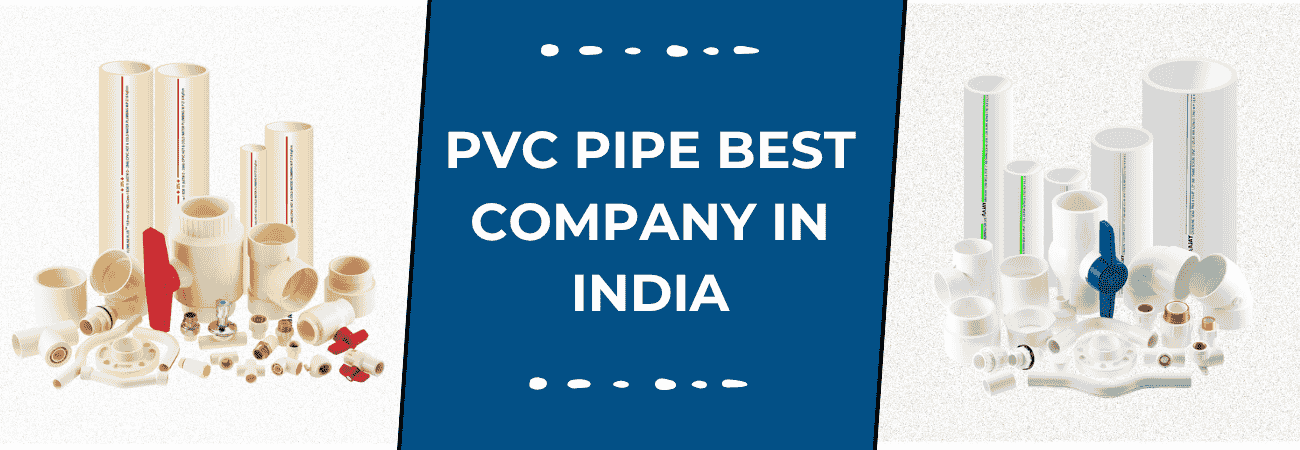
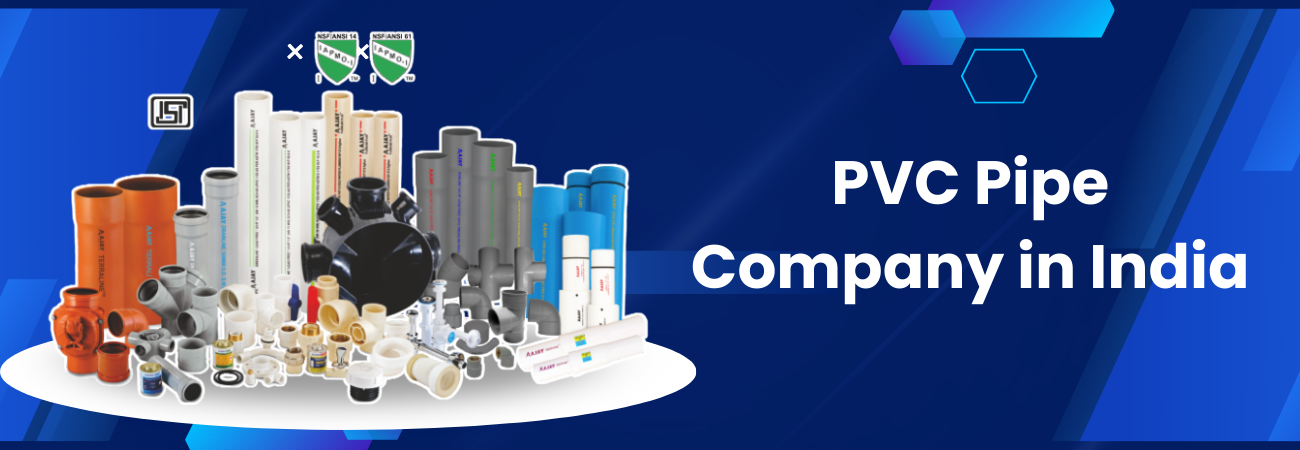
Ajay pipes are pioneers in manufacturing PVC pipe and fittings for all your plumbing and drainage needs.
Sizes and Availability
- UPVC Pressure Pipe Fittings in Sch 80 Sizes: ½”, ¾”, 1″, 1¼”, 1½”, 2″, 2½”, 3″, 4″ & 6″
- PVC Agri Pressure Pipe Fittings in 6 Kg/cm2 Sizes: 20mm, 25mm, 32mm, 40mm, 50mm, 63mm, 75mm, 90mm, 110mm, 160mm
- PVC SWR Non Pressure Pipe Fittings: Solvent Fit type Sizes: 75mm, 90mm, 110mm, 160mm
- PVC SWR Non Pressure Pipe Fittings: Rubber Ring Fit type Sizes: 75mm, 90mm, 110mm, 160mm
Conclusion
These fittings provide a cost-effective and reliable solution for varying plumbing applications. Knowing about the fittings and their benefits helps you tackle any plumbing project successfully. Choose efficient fittings to keep your plumbing systems leak-free.


4 Comments