
2 Inch Pipes: Essential Guide for Effective Plumbing
Introduction
A 2 inch pipe is a pipe with a nominal size of about 50 mm. However, its outer diameter depends on the material and the standard. For example, a CPVC pipe of this size measures about 54.5 mm across, while a UPVC pressure pipe measures 63 mm. This guide explains the size, the common uses and the right pipe for each job.
What is a 2 inch pipe?
The term “2 inch pipe” names a nominal size, not an exact measurement. A nominal size is a label for a pipe class. It does not match the outer or inner diameter exactly. In metric terms, a 2 inch pipe is close to a 50 mm nominal bore. As a result, dealers may sell the same pipe as 2 inch, 50 mm or 63 mm. Because of this overlap, always check the outer diameter before you buy fittings.
What is the 2 inch pipe size in mm?
The table below shows the 2 inch size in each Ajay Pipes range that offers it.
| Pipe type | Ajay range | Standard | Outer diameter (mm) | Typical use |
|---|---|---|---|---|
| UPVC pressure pipe | Agriline | IS 4985 | 63 | Irrigation and water supply |
| UPVC SCH 40 and SCH 80 | Greenline | ASTM D 1785 | 60.3 | Cold water plumbing up to 60 °C |
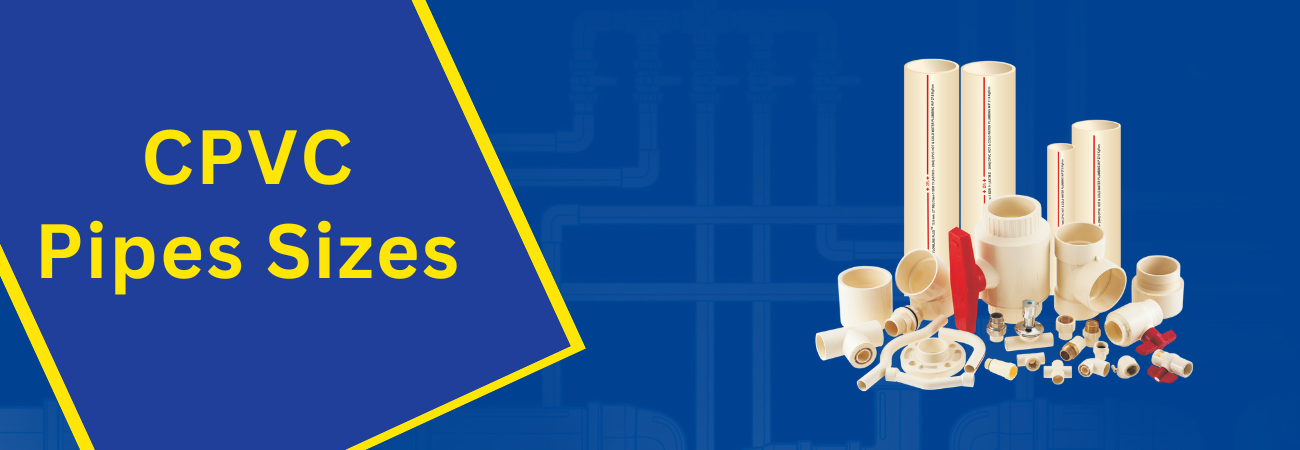
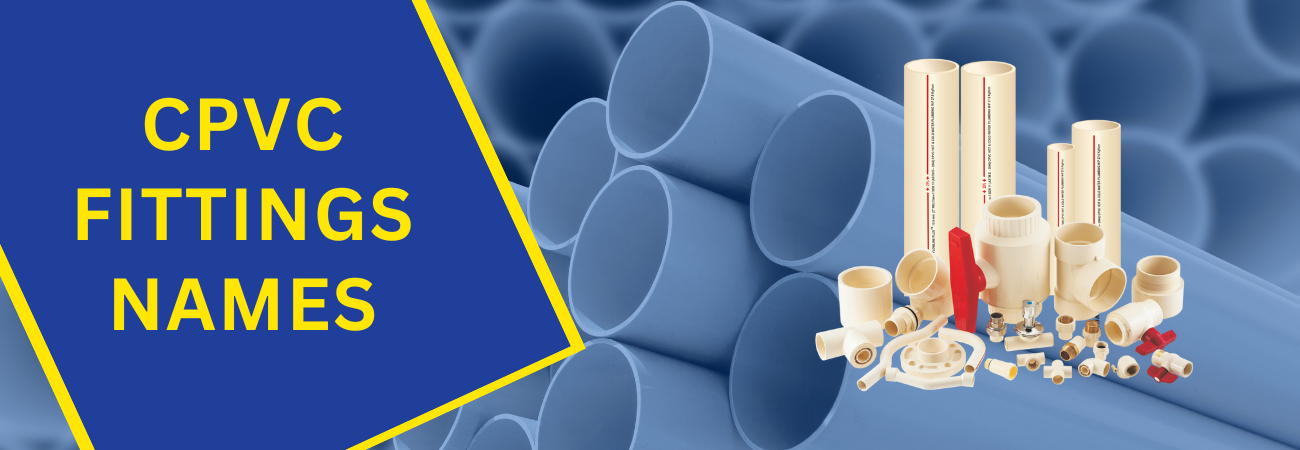
| CPVC SDR 11 and SDR 13.5 | Flowline Plus | IS 15778 and ASTM D 2846 | 54.3 to 54.7 | Hot and cold water up to 93 °C |
| UPVC column pipe | Deepline | Sold by nominal size | Sold by nominal size | Borewell water lines |
For other diameters, see our PVC pipe sizes chart.
Why does a 2 inch pipe have different outer diameters?
Each standard measures pipes in its own way. IS 4985 names UPVC pressure pipes by their outer diameter. ASTM D 1785 uses the nominal pipe size, which is why SCH 40 and SCH 80 pipes share one outer diameter but differ in wall thickness. CPVC pipes follow copper tube sizing, so they run smaller. Therefore a 2 inch CPVC fitting will not fit a 2 inch UPVC pipe. Always match the pipe and the fitting from the same system.
How do wall thickness and pressure class change the pipe?
Wall thickness decides how much pressure a pipe can take. For example, a 63 mm Agriline pipe in the 10 kg/cm² class has a wall thickness of 3.5 to 4.1 mm. Agriline pipes come in pressure classes of 2.5, 4, 6 and 10 kg/cm².
CPVC works in a similar way. SDR 11 pipe has a minimum wall of 4.9 mm in the 2 inch size and a rating of 8.8 kg/cm² at 82 °C. SDR 13.5 pipe has a 4.0 mm wall and a rating of 7.0 kg/cm² at 82 °C. Consequently, SDR 11 suits hotter or higher pressure lines, while SDR 13.5 saves material on lighter duty lines.
How does temperature affect a 2 inch pipe?
Hot water reduces what a pipe can take. For CPVC, the allowed pressure drops as the temperature rises. At 23 to 27 °C the derating factor is 1.00. At 49 °C it falls to 0.70, and at 82 °C it falls to 0.31. As a result, choose the pressure class for the hottest point on the line, not for the cold water case.
Where do people use a 2 inch pipe?
A 2 inch pipe carries a medium flow. For this reason, it suits main and branch lines better than the final taps and showers.
- Water supply: Use it as a branch line from the overhead tank to several bathrooms, or as a main line in a small building.
- Hot water: A 2 inch CPVC pipe suits hot water risers and solar heater loops.
- Irrigation: UPVC pressure pipes carry water from a pump to farm plots.
- Borewells: Column pipes in this size lift water from the pump to the surface.
However, do not plan a 2 inch pipe for soil and waste lines. Ajay Drainline SWR pipes start at 75 mm, so that range has no 2 inch size.
Which 2 inch pipe should you choose?
Choose by water temperature and by the job. First, pick CPVC from Flowline Plus when the line carries hot water, because it handles up to 93 °C. Next, pick Greenline UPVC for cold water plumbing inside buildings, where the temperature stays below 60 °C. In addition, pick Agriline for irrigation and outdoor supply, because it uses UV stabilised PVC. Finally, pick Deepline when you need a borewell column pipe.
Check three details before you buy:
- Confirm the standard mark on the pipe, such as IS 4985 or ASTM D 1785.
- Match the pressure class to your pump or tank head.
- Buy fittings and solvent cement from the same system, because mixed parts weaken joints.
How do you install a 2 inch pipe?
Follow these steps for a solvent cement joint:
- Cut the pipe square and remove burrs from the cut end.
- Chamfer the outer edge so the cement does not scrape off.
- Dry fit the joint and mark the insertion depth.
- Apply solvent cement to both surfaces, push the pipe in with a quarter turn and hold it briefly.
- Let the joint cure for the time printed on the cement label before you pressurise the line.
Also support the pipe at regular intervals and leave room for expansion on hot lines. Then pressure test the line before you cover it.
Which mistakes should you avoid?
Most leaks come from a few simple errors. First, people mix CPVC fittings with UPVC pipe. Second, they skip the cure time. Third, they over-tighten threaded joints, which cracks the fitting. Finally, they buy by the inch name alone and never check the outer diameter.
What decides the price of a 2 inch pipe?
Price depends on the material, the wall thickness and the pressure class. For example, CPVC costs more than UPVC, and SCH 80 costs more than SCH 40 because it uses more material. Length also matters, since pipes come in 3 m and 6 m lengths. Rates change often, so read our 2 inch PVC pipe price guide before you ask for a quote.
Get the right 2 inch pipe for your project
A 2 inch pipe is a nominal size, so confirm the outer diameter, the standard and the pressure class before you buy. Ajay Pipes offers 2 inch options for cold water, hot water, irrigation and borewells. For help choosing, call toll free 1800 11 4050 or email enquiry@ajaypipes.com.
FAQs
Roughly. A 2 inch pipe has a nominal size of about 50 mm, but its outer diameter can be 54.5 mm, 60.3 mm or 63 mm depending on the material and standard.
A 63 mm UPVC pressure pipe is sold as a 2 inch pipe in India. Measured exactly, 63 mm is about 2.5 inches.
CPVC is the right choice because it handles water up to 93 °C. Ajay Flowline Plus offers CPVC pipes in this size.
Not directly, because their outer diameters differ. Use a transition fitting made for both systems.
No. Drainline SWR pipes come in 75, 90, 110 and 160 mm.