CPVC NRV Guide for Durable and Leak-Proof Plumbing Systems
Introduction
In modern plumbing systems, ensuring smooth water flow and preventing backflow is essential. That’s where the CPVC NRV (Non-Return Valve) comes into play. Whether you’re upgrading residential plumbing or setting up a new commercial water line, understanding how a CPVC NRV works and when to use it is important for maintaining an efficient and reliable plumbing system.
In this comprehensive guide, you’ll learn about CPVC NRVs, including their functionality, advantages, installation process, applications, and compatibility with other CPVC fittings such as CPVC taps, CPVC brass tees, and brass elbows.
What Is a CPVC NRV?
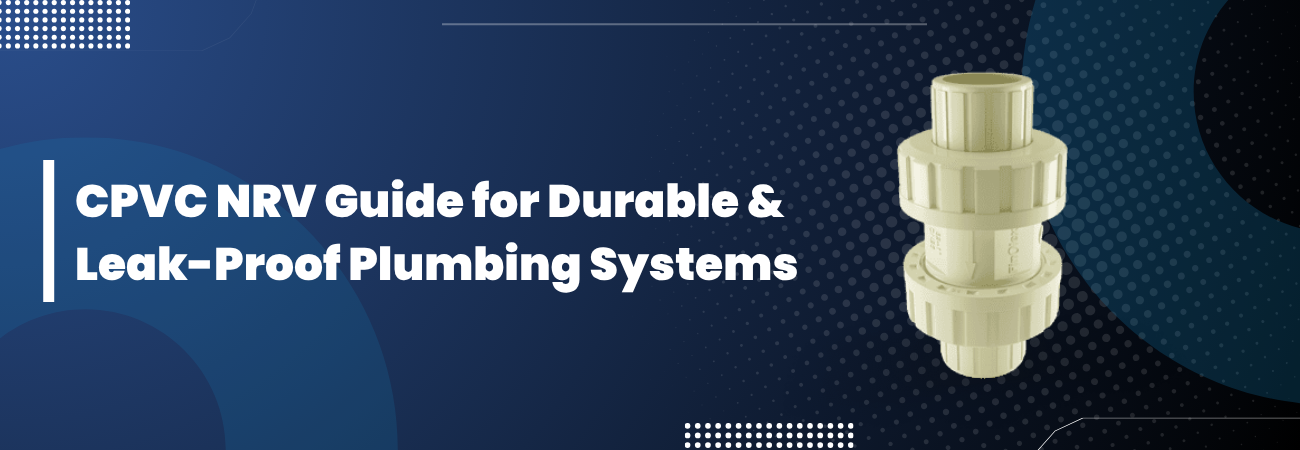
A CPVC NRV (Non-Return Valve) is a one-way valve made from Chlorinated Polyvinyl Chloride (CPVC). It is designed to allow water to flow in only one direction while automatically preventing reverse flow.
By controlling the direction of water movement, a CPVC NRV helps maintain system pressure and protects plumbing components from potential damage caused by backflow.
Key Features of CPVC NRV
- Material: Made from CPVC, which offers good heat and corrosion resistance.
- Function: Prevents unwanted backflow in the plumbing system.
- Applications: Suitable for hot and cold water plumbing systems, pumps, and water tanks.
- Durability: Designed for reliable performance when used within the specified pressure and temperature ratings.
- Maintenance: Generally requires minimal maintenance when properly installed.
Where Is a CPVC NRV Used?
A CPVC Non-Return Valve can be used in various plumbing applications where controlling water direction is necessary.
Common applications include:
- Maintaining pressure in water supply lines
- Preventing reverse flow in plumbing systems
- Protecting pumps from reverse-flow conditions
- Helping prevent contamination caused by unwanted backflow
- Supporting water heater and tank installations
- Residential, commercial, and selected industrial water applications
The valve should always be selected according to the system’s pressure, temperature, fluid compatibility, and installation requirements.
How Does a CPVC NRV Work?
A CPVC NRV operates automatically based on the direction and pressure of the water flow.
When water flows in the intended direction, the internal mechanism opens and allows water to pass through. When the water attempts to flow backward, the mechanism closes, restricting reverse flow.
This simple operating principle makes the NRV an important component in systems where maintaining the correct flow direction is essential.
How to Install a CPVC NRV
Installing a CPVC NRV is relatively straightforward when the correct tools, materials, and installation procedures are followed.
Tools and Materials Needed
- Pipe cutter
- CPVC solvent cement
- CPVC pipe
- CPVC NRV
- CPVC tap or brass elbow, if required
- Appropriate measuring tools
Step-by-Step Installation
1. Turn Off the Water Supply
Before starting the installation, shut off the water supply and make sure the pipeline is depressurized.
2. Measure and Cut the Pipe
Measure the required pipe length and use a suitable pipe cutter to make a clean, square cut.
3. Deburr the Pipe
Remove burrs and rough edges from the cut pipe. A smooth pipe end helps create a proper connection.
4. Check the Flow Direction
Temporarily position the NRV and check the arrow marked on the valve body. The arrow must point in the intended direction of water flow.
5. Apply CPVC Solvent
Apply the appropriate CPVC solvent cement evenly to the pipe end and the corresponding socket, following the solvent manufacturer’s instructions.
6. Join the Components
Insert the pipe into the NRV socket while ensuring proper alignment. Hold the joint firmly for the recommended time and allow it to cure according to the solvent cement manufacturer’s instructions.
7. Inspect the Installation
Once the joint has cured, gradually restore the water supply and check the connection for leakage.
CPVC NRV vs Metal NRV
| Feature | CPVC NRV | Metal NRV |
|---|---|---|
| Corrosion Resistance | Excellent resistance to corrosion | Some metals may be susceptible to rust or corrosion |
| Weight | Lightweight | Generally heavier |
| Installation | Convenient for compatible CPVC systems | May require threaded or other mechanical connections |
| Maintenance | Generally low maintenance | Maintenance requirements vary by metal and application |
| Heat Resistance | Suitable within specified CPVC temperature ratings | Depends on the metal and valve design |
| Cost | Often economical for CPVC plumbing systems | Cost varies depending on material and construction |
The right choice depends on the plumbing system, operating conditions, compatibility requirements, and manufacturer specifications.
How Does CPVC NRV Work with Other CPVC Fittings?
A CPVC NRV can be incorporated into a complete plumbing system alongside different fittings to create a reliable water distribution network.
1. CPVC Tap
A CPVC tap is commonly used in kitchens, bathrooms, utility areas, and other locations where water needs to be controlled at an outlet.
Depending on the plumbing layout, an NRV can be installed at an appropriate point in the pipeline to help prevent unwanted reverse flow.
2. CPVC Brass Tee
A CPVC brass tee is a three-way fitting used to create a branch in a pipeline. Its brass-threaded section can provide a suitable connection where a threaded component is required.
It can be used to divide water flow between different sections of a plumbing system, depending on the design.
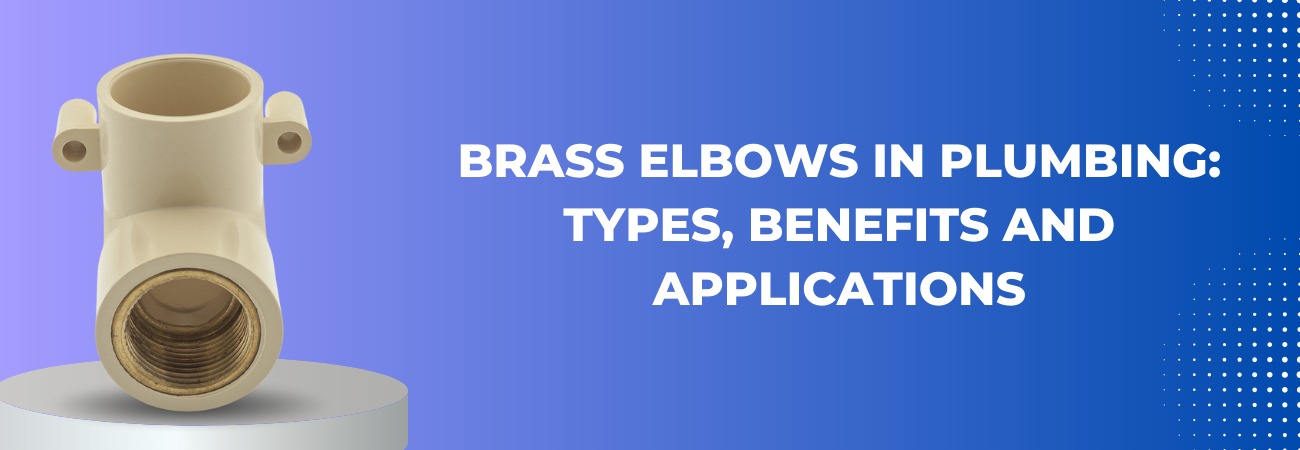
3. Brass Elbow CPVC
A brass elbow CPVC fitting is used to change the direction of a pipeline, commonly by 90 degrees. The brass insert can provide a threaded connection where required.
It is particularly useful when connecting CPVC piping to compatible threaded plumbing components.
Benefits of Using CPVC NRVs
Using an appropriately selected CPVC NRV can provide several benefits:
- Backflow Prevention: Helps stop water from flowing in the wrong direction.
- Corrosion Resistance: CPVC does not rust like conventional ferrous metals.
- Lightweight Construction: Easier to handle and install compared with many metal alternatives.
- Low Maintenance: Properly installed valves generally require limited maintenance.
- Plumbing System Protection: Helps protect pumps and other components from unwanted reverse flow.
- Suitable for Hot and Cold Water: Can be used within the temperature and pressure limits specified by the manufacturer.
- Easy Integration: Compatible with appropriately designed CPVC plumbing systems.
Who Should Use CPVC NRVs?
CPVC NRVs can be useful for:
- Plumbers installing residential and commercial plumbing systems
- Homeowners replacing or upgrading plumbing components
- Contractors working on residential and commercial construction projects
- Building Maintenance Teams maintaining water distribution systems
- Industrial Installations where CPVC is approved for the particular fluid and operating conditions
Buying Guide: What to Consider When Choosing a CPVC NRV
Before purchasing a CPVC NRV, consider the following factors:
1. Size Compatibility
Choose a valve that matches the pipe size and connection type used in your plumbing system, such as ½ inch, ¾ inch, or 1 inch, where applicable.
2. Flow Direction
Always check the arrow or directional marking on the valve. Installing the valve in the wrong direction can prevent proper water flow.
3. Temperature and Pressure Rating
Check that the NRV’s rated temperature and pressure range is suitable for your application, especially when it will be used in hot-water systems.
4. Material Quality
Select a reliable product manufactured from suitable CPVC material and designed for the intended plumbing application.
5. Brand and Product Reliability
Choose products from a trusted manufacturer such as Ajay Pipes, while checking the product’s specifications and suitability for your particular installation.
6. Connection Type
Confirm whether the valve uses solvent-weld socket connections, threaded connections, or another connection method compatible with your existing plumbing system.
Common Installation Mistakes to Avoid
A few simple mistakes can affect the performance of an NRV:
- Installing the valve against the indicated flow direction
- Using an incorrectly sized valve
- Applying solvent cement improperly
- Failing to clean and deburr pipe ends
- Pressurizing the system before the joint has adequately cured
- Ignoring the valve’s temperature and pressure ratings
- Combining incompatible materials or connection systems without suitable transition fittings
Following the manufacturer’s installation instructions can help ensure reliable performance.
Conclusion
A CPVC NRV is a small but important component in plumbing systems where preventing reverse water flow is necessary. Its one-way flow function can help maintain pressure, protect plumbing equipment, and improve overall system reliability.
When combined with suitable components such as CPVC taps, CPVC brass tees, and brass elbows, a properly designed CPVC plumbing system can provide an efficient solution for residential and commercial water applications.
For the best results, always select the correct valve size and connection type, verify the temperature and pressure ratings, install the valve according to the marked flow direction, and follow the manufacturer’s installation guidelines.
FAQ:-
A CPVC NRV allows water to flow in one direction only, preventing backflow that can damage pumps or contaminate clean water.
CPVC NRVs are heat-resistant up to 93°C, making them suitable for hot water lines.
A CPVC tap controls water flow manually, while a CPVC NRV automatically prevents reverse flow without human intervention.
Absolutely. CPVC solvent ensures a strong, leak-proof bond between the valve and pipe.
For any queries, contact the plumbing experts at Ajay pipes on the Toll Free No. : 1800-11-4050 or via email at our email address info@ajaypipes.com