

Plastic Pipe
Introduction
Last updated: October 2026 | Reviewed by the Ajay Pipes technical team
A plastic pipe is a pipe made from a polymer such as PVC, CPVC, HDPE or PPR. Plastic pipes have replaced metal in most water, drainage and irrigation work, because they do not rust, resist scale, weigh less and install fast. This guide explains the main types, their uses and how to pick the right one.
Where Do You Use Plastic Pipes?
Plastic pipes serve many sectors.
- Irrigation and agriculture
- Municipal water supply and drainage
- Domestic and commercial plumbing
- Domestic and commercial drainage
- Industrial chemical transport
- Hydraulic and pneumatic lines
How Are Plastic Pipes Made?
Factories make plastic pipe by extrusion. A machine melts raw plastic and pushes it through a circular die. The pipe then cools and gets cut to length. Fittings follow a different path. Injection moulding forces melted plastic into a mould, and the part cools into its final shape.
What Are the Main Types of Plastic Pipes?
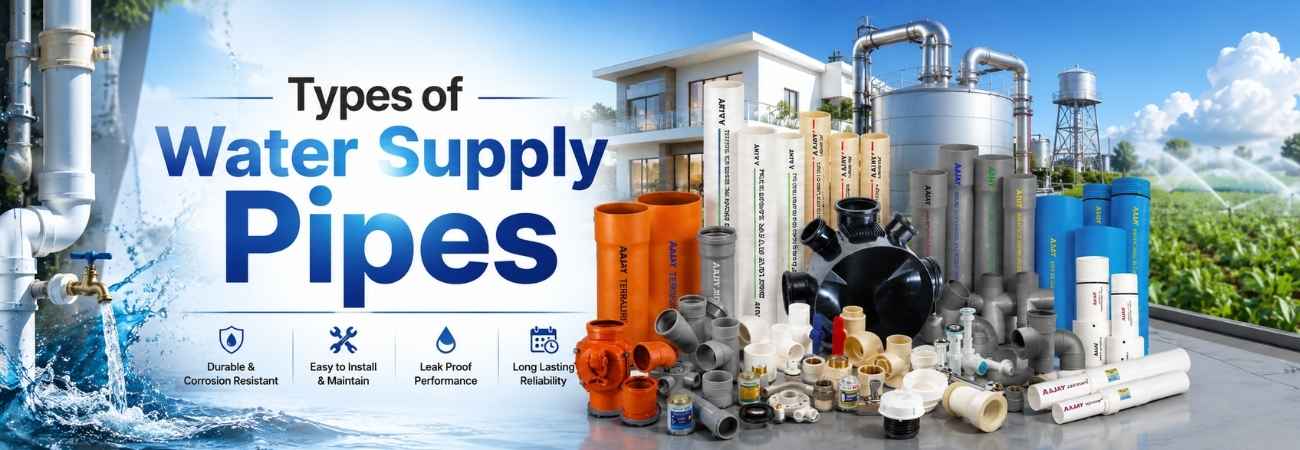
Each material suits a different job. The table gives a quick comparison.
| Pipe Type | Best For | Key Point |
|---|---|---|
| PVC | Water supply, irrigation, drainage | Rigid, affordable, many pressure classes |
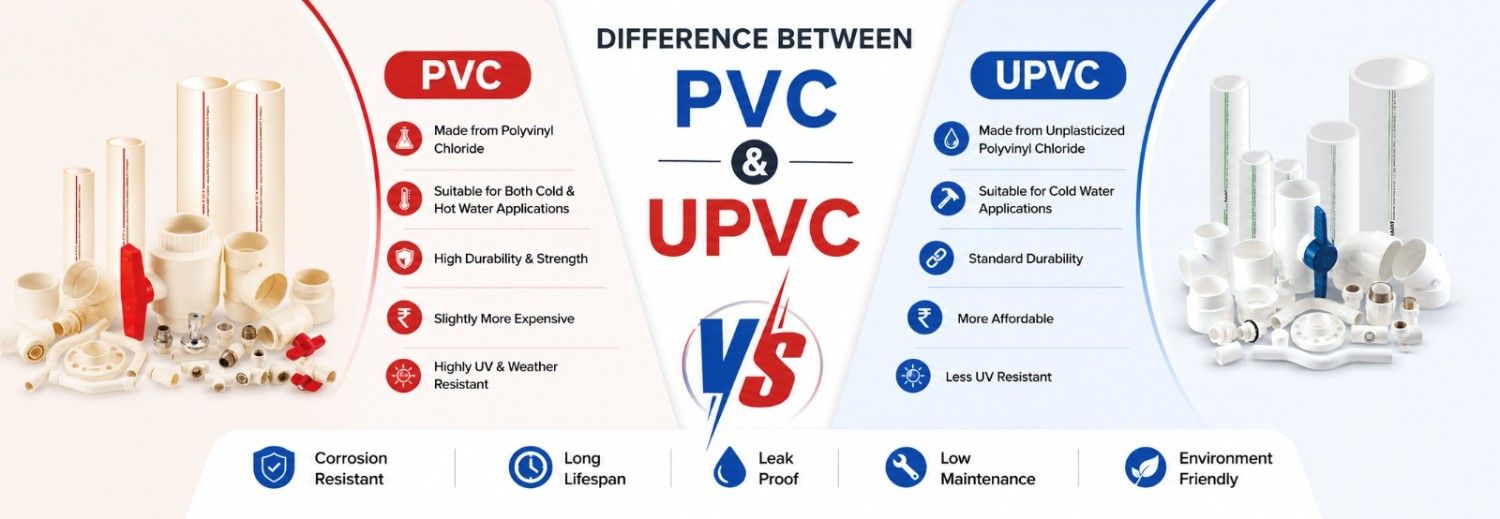
| UPVC | Cold water plumbing | Unplasticised, strong, UV resistant |
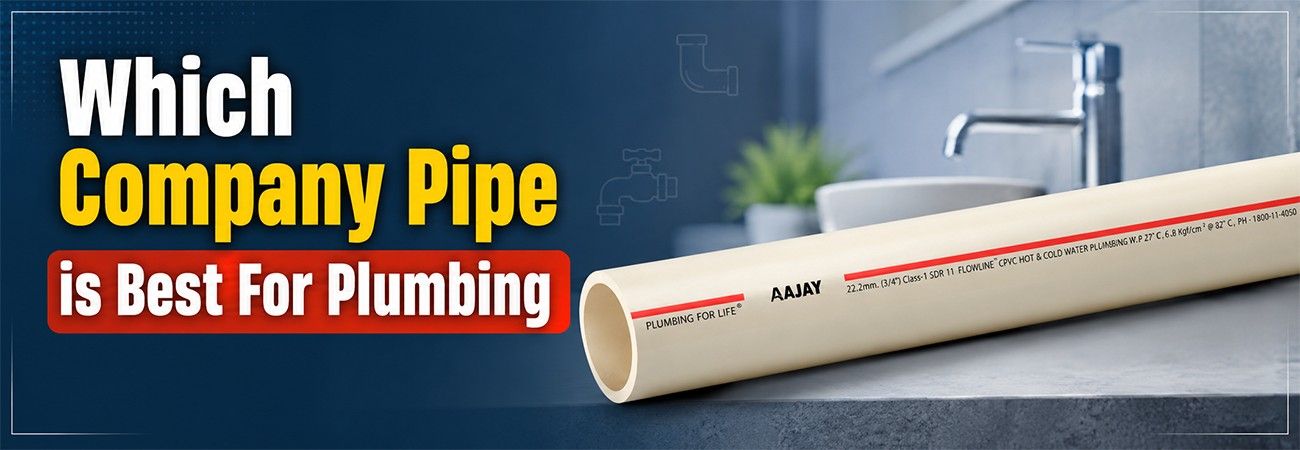
| CPVC | Hot and cold water | Handles water up to 93°C |
| PPR | Hot and cold plumbing | Joined by heat fusion |
| PEX and PE-RT | Flexible hot and cold lines | Bends easily, needs fewer joints |
| MDPE and HDPE | Underground water mains | Flexible, supplied in coils |
| DWC | Storm and land drainage | Double wall corrugated polyethylene |
| Biaxially oriented PVC | Pressure mains | Stronger, with a thinner wall |
What Are UPVC and PVC Pipes Used For?
UPVC stands for unplasticised PVC, also called rigid PVC. It is light, durable and resistant to chemicals and UV light. UPVC plumbing pipes come in Schedule 40 and Schedule 80 classes, from 1/2 inch up to 8 inches. See the Ajay Greenline UPVC range for full details.
PVC pressure pipes serve municipal water supply and agriculture. They come in sizes from 20 mm to 315 mm, and in several pressure classes that rise from 2.5 kg up to 10 kg. A higher class means a thicker wall and a higher price. For background on the material, read this overview of polyvinyl chloride.
What Sizes Do CPVC Pipes Come In?
CPVC suits hot water lines. The table shows the standard classes and sizes.
| CPVC Class | Sizes |
|---|---|
| Class 1 (SDR 11) | 1/2 to 2 inch |
| Class 2 (SDR 13.5) | 1/2 to 2 inch |
| SCH 40 | 2-1/2 to 8 inch |
| SCH 80 | 2-1/2 to 8 inch |
Learn more in our guide to CPVC pipes.
How Do You Choose the Right Plastic Pipe?
- Define the job: cold water, hot water, drainage or irrigation.
- Check the temperature and pressure the line will face.
- Pick the size from the flow you need.
- Confirm the standard marking and the joining method.
- Match the pipe and fittings from one system.
Why Choose Ajay Plastic Pipes?
Ajay makes plastic pipes and fittings from 100% virgin material. The range covers PVC, UPVC and CPVC systems, so you can source a whole project from one supplier. Our team also trains plumbers on site. Contact us to find a dealer near you.
Conclusion
The best plastic pipe depends on temperature, pressure and the job. Use CPVC for hot water, UPVC for cold plumbing and PVC for supply and irrigation. Check the standard marking before you buy.
FAQs
A pipe made from plastic such as PVC, CPVC, HDPE or PPR, used for water, drainage, chemicals and irrigation.
CPVC is a top choice, as it handles water up to 93°C. PPR and PEX also work.
UPVC has no plasticiser, so it stays rigid. Most rigid pipes for water supply and plumbing are UPVC.
Factories melt the plastic and push it through a die (extrusion). Fittings come from injection moulding.
Yes, if the pipe is certified for potable water. Check the standard mark and certification.
For any queries, contact the plumbing experts at Ajay pipes on the Toll Free No. : 1800-11-4050 or via email at our email address info@ajaypipes.com



6 Comments