
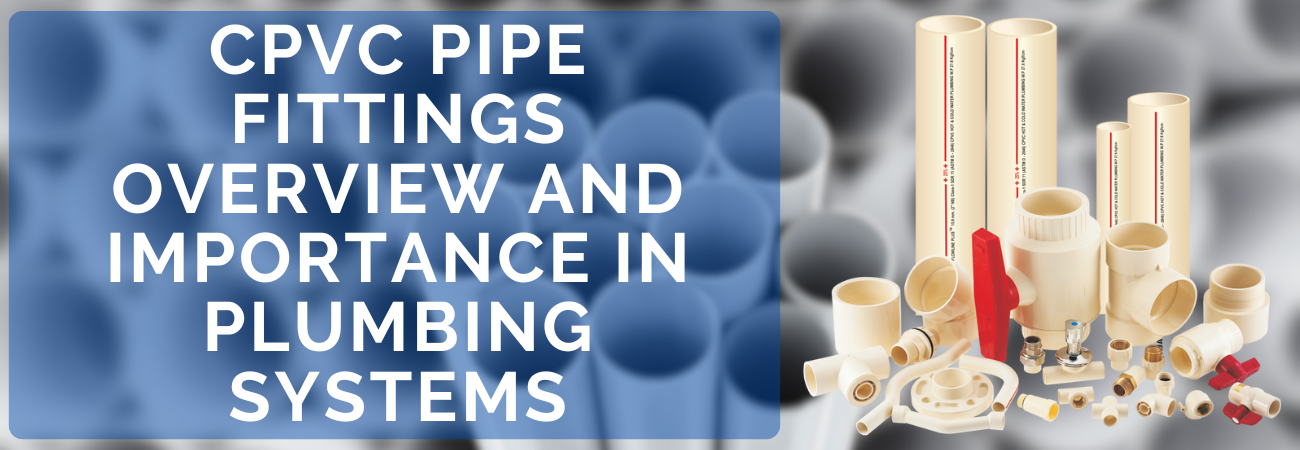
CPVC pipe fittings overview and importance in plumbing systems
Introduction
CPVC pipe fittings play a important role in plumbing projects, providing a reliable and efficient means of connecting and joining CPVC pipes. This versatile material, known as Chlorinated Polyvinyl Chloride, has gained popularity in the plumbing industry due to its durability, corrosion resistance, and ease of installation. In this topic, we will explore the features and benefits of CPVC pipe fittings and their significance in modern plumbing systems.
Benefits of CPVC Pipe Fittings :
1. Durability and Longevity:
These are highly durable and can withstand extreme temperatures and pressures. They are designed to last for many years, providing a long-term solution for plumbing needs.
2. Durability and Longevity:
One of the key advantages of CPVC pipe fittings is corrosion resistance. Unlike metal fittings, CPVC fittings are not susceptible to rust or scale buildup, ensuring a reliable and uninterrupted flow of water.
3. Ease of Installation:
CPVC pipe fittings are lightweight and easy to handle, making them convenient for installation. They can be easily cut and connected using solvent cement, eliminating the need for complex tools or equipment. This simplicity in installation of pipe fittings reduces the costs of labor and saves their time.
4. Versatility and Compatibility:
These are available in various types, such as elbows, tees, couplings, adapters, and valves, offering flexibility in designing plumbing systems. They can be easily combined with CPVC pipes or other compatible materials, making them suitable for a wide range of applications.
5. Cost-Effectiveness:
These are cost-effective compared to alternatives such as copper fittings. The material itself is affordable, and the ease of installation reduces overall project expenses. Additionally, the durability of CPVC pipe ensures minimal maintenance and replacement costs over time.
Types of CPVC Pipe Fittings :
1. Elbows: These are used to change the direction of the pipe, allowing for smooth and efficient plumbing connections.
2. Tees: These are used to create branching-network in the pipe system, providing multiple connection points for water distribution.
3. Couplings: These are used to inter-connection the pipes of same diameter, ensuring a secure and leak-proof joint.
4. Adapters: These are used to connect CPVC pipes to other materials, such as metal pipes or fixtures, enabling compatibility and seamless integration.
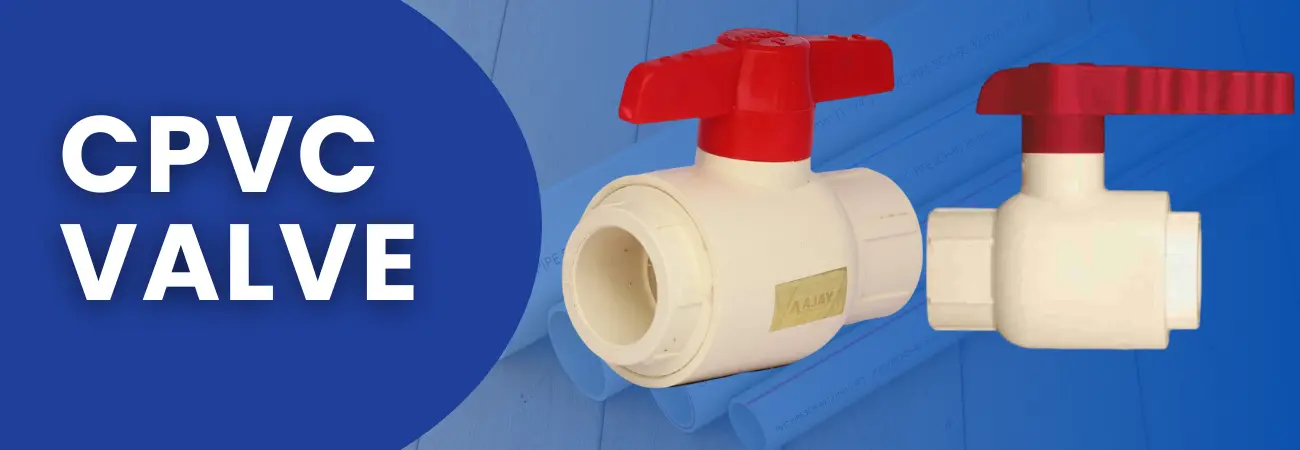
5. Valves: These control the flow of water in the plumbing system. They are essential for regulating water supply and shut-off points.
Installation of CPVC Pipe Fittings :
1. Cutting CPVC Pipes
2. Joining CPVC Pipes with Solvent Cement
3. Proper Alignment and Measurement
4. Testing for Leakage
Applications of CPVC Pipe Fitting :
1. Residential Plumbing Systems: CPVC pipe fittings are generally used in residential plumbing solutions for hot and cold water supply, drainage systems, and many other plumbing applications also.
2. Commercial Plumbing Systems: CPVC pipe fittings widely used in commercial buildings, such as offices, hotels and hospitals due to their durability, corrosion resistance, and ease of installation.
3. Industrial Plumbing Systems: In industrial settings, CPVC pipe fittings are used for various applications, including chemical transportation, wastewater management, and process piping.
4. Fire Sprinkler Systems: CPVC pipe fittings are commonly used in fire sprinkler systems due to their high flame resistance and reliability in providing efficient water distribution in case of fire emergencies.
5. Irrigation Networks: CPVC pipe fittings are suitable for irrigation projects, offering durability and resistance to chemicals and soil conditions commonly found in agricultural settings.
Safety and Compliance Factors:
1. Industry Standards and Regulations: CPVC pipe fittings deal with industry standards and regulations to ensure their performance, reliability, and safety in plumbing systems.
2. Testing and Certifications: CPVC pipe fittings first undergo testing and certification processes to meet the required standards and provide assurance of their quality and suitability for plumbing networks.
3. Reliability and Safety Assurance: The use of CPVC pipe fittings in plumbing projects provides reliability, durability, and safety in delivering water supply and drainage services.
Conclusion: CPVC pipe fittings offer numerous advantages and are a reliable solution for modern plumbing systems. Their durability, corrosion resistance, ease of installation, and cost-effectiveness make them a preferred choice for residential, commercial, and industrial applications. With proper installation and adherence to safety regulations, CPVC pipes provide efficient water distribution, ensuring a reliable and long-lasting plumbing project.
For any queries, contact the plumbing experts at Ajay pipes on the Toll Free No. : 1800-11-4050 or via email at our email address info@ajaypipes.com






One Comment