
SWR pipes for surface and sub surface drainage system in india
Drainage System

A Drainage System plays a highly important role in expelling waste water, soil, or rain water from sinks, bathrooms, living spaces, and buildings. This extra water might come from waste water or excessive rainfall, which can cause the surface to overflow without proper drainage. In other cases, a spillage or broken drainage structure may cause the extra water.
India especially needs a crucial drainage system, since monsoon season brings heavy rainfall that can damage crops and fertile land through overflowing water. As modern society moves toward compact housing, we also need highly calibrated, hi-tech domestic drainage systems. That’s where the concept of SWR pipes comes in, which we’ll discuss in this article.
This article focuses on having a proper drainage system (with Soil, Waste, and Rainwater, or SWR, pipes), since excess waste water from our bathrooms — and from rainfall across our croplands — can cause serious damage without one. Moreover, since India relies heavily on agriculture, we continuously upgrade our irrigation systems to meet the rising demand for agricultural products.
Impact of Rainfall on the Surface and Sub-Surface Drainage Level
As rainfall surges, it adds a vast amount of water into the region. We need to consider how rainfall’s impact can affect housing complexes, townships, and irrigated cropland. During rainfall, water invades the dirt and soil patches, sometimes turning it into mud.
Water also seeps into the tiny pores of the earth, and once all the pores fill with water, the soil’s absorption capability becomes limited. As rainfall continues to surge, vast areas of cropland turn into large pools of flooded water. The same happens during irrigation, when excess water can get stuck in fields that need a sophisticated drain.
Without drains, large pools of water saturate the land’s upper soil layer at the surface. As the water continues pouring downward toward the sub-surface, it eventually reaches the ground water. At that point, the roots of crops, plants, or trees become submerged under the excess ground water, which blocks air from reaching the roots — a condition harmful to their survival.
Besides hurting crop yield, excess or flooding water also makes it extremely difficult to use agricultural machinery, since the soil stays soaked at both surface and sub-surface levels. If the rainfall and flooding persist for a long time, they’ll also raise the ground water level, adversely affecting the whole cropland in the region. So we must keep implementing quality measures to control the rise of the ground water reservoir.
Difference Between Surface and Sub-Surface Drainage System
What Is Drainage?
So what is drainage, exactly? In layman’s terms, drainage means discharging flooding water from either the upper soil layer or the crop roots level through some proper means. Flooding or excess water doesn’t only result from rainfall or excessive irrigation water — faulty canal design and leakages can also cause it. In exceptionally dry regions, salts often amass on the surface soil.
Since most seeds and crops can’t tolerate excessive salinity in the earth, we need a different drainage pattern to get the most out of the yield. In this case, we can clean excess salts from the soil through percolation, a permeating irrigation process that happens at the sub-surface level near the crop roots. To achieve satisfactory percolation, we need to supply the field with more water than usual.
Drainage systems can be either natural or man-made. Numerous regions in India have adapted natural drainage systems that keep labor costs minimal, so farmers usually just clear a path for excess water to reach nearby lakes or other water bodies. However, many natural drainage systems have failed at their purpose, since excess water doesn’t always discharge properly, which affects soil pores and eventually the crops. To overcome this issue, natural drainage often needs modification with artificial or man-made drains.
Surface Drainage System
A surface drainage system removes or discharges flooding water from the top surface of the land. Farmers ordinarily achieve this with shallow trenches, also called open drains or channels, which release excess water into bigger sub-draining or reservoir channels. To ensure the proper flow of excess water into the extended drainage, the cropland or surface needs a downhill slope.
Subsurface Drainage System
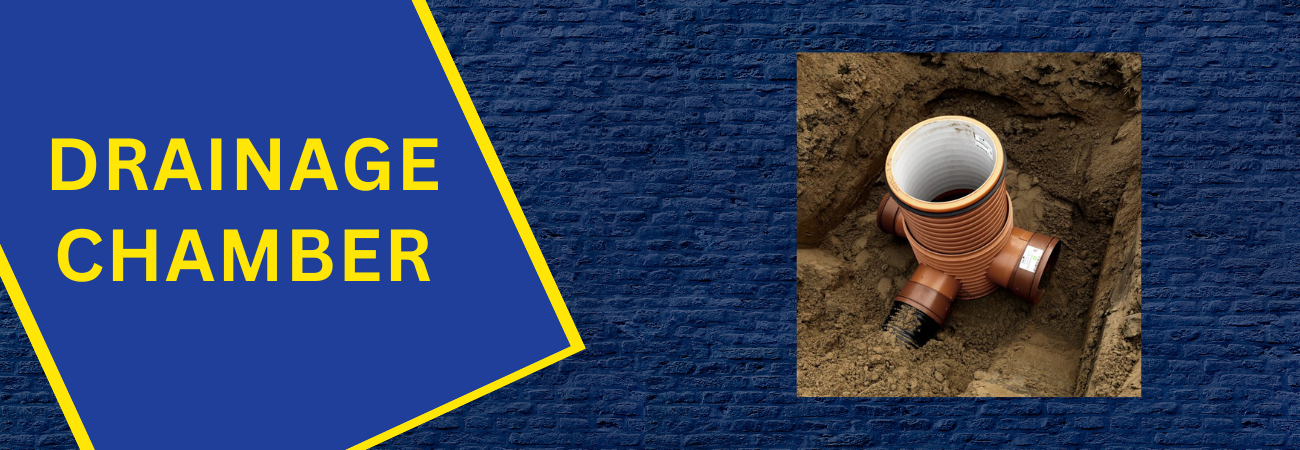
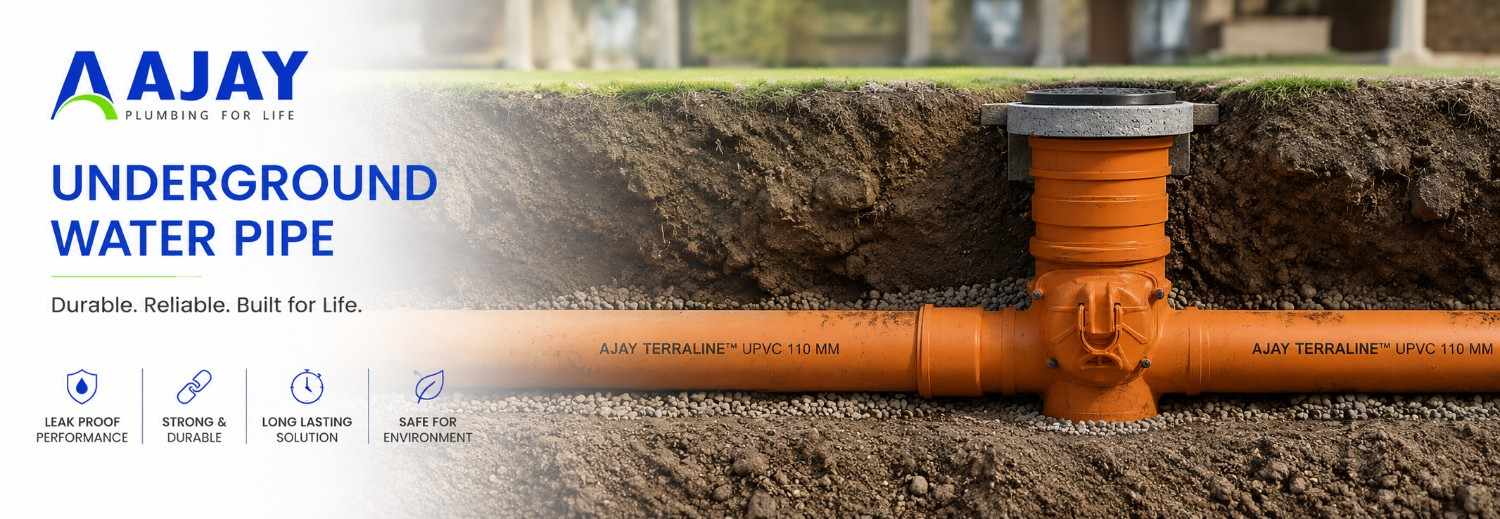
A subsurface drainage system removes or expels water from under the surface, where crop roots lie. Farmers often achieve this with open or covered channels, or with SWR pipes. However, open or covered channels make agricultural machinery difficult to use because of their trenches, and they aren’t cost-effective either, since they may require added bridges or culverts to access roads or the other side of the field. Open or covered channels also attract weeds and pore jams, which require frequent checkups and maintenance.
To overcome these issues and make the system more effective, experts recommend implementing SWR pipes, which also boost cultivable yield while cutting down on waste discharge and erosion.
Introduction of SWR Pipes in the Drainage System
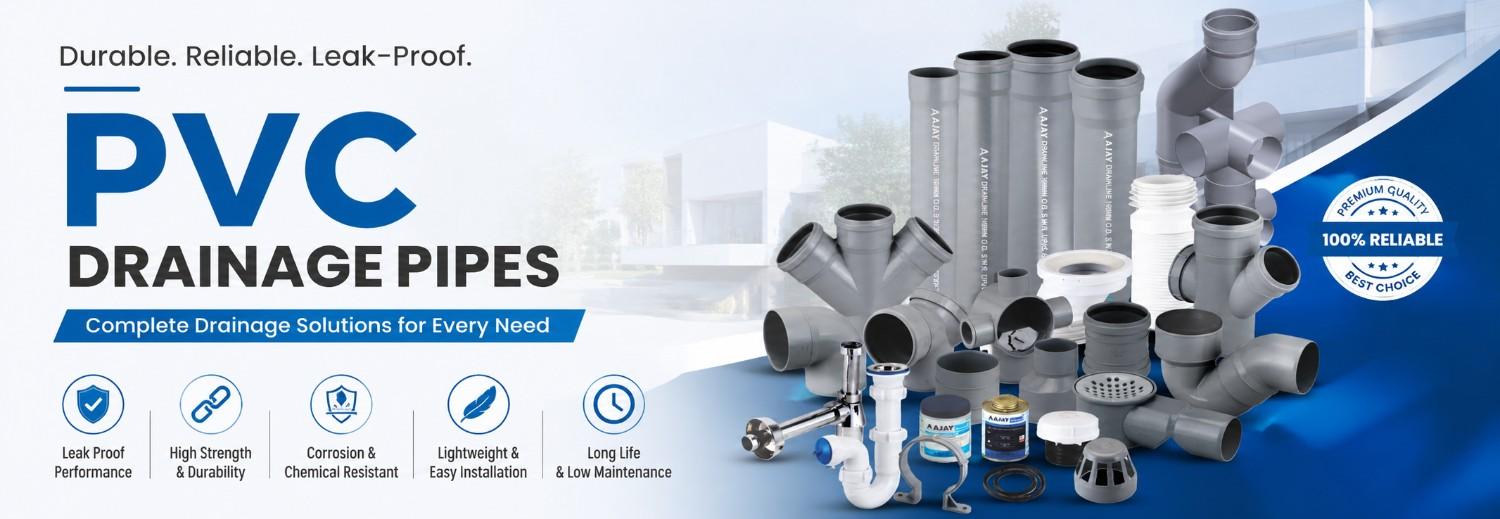
Let’s start by understanding the definition, significance, and proper implementation of SWR pipes. SWR stands for Soil, Waste, and Rainwater, and we call the pipes that carry these Soil, Waste, and Rainwater pipes, or SWR pipes. Installers use this kind of pipe and its fittings exclusively for managing drains that handle soil, waste, and rain or flood water. SWR pipes stay lightweight, flexible, and easy to assemble, and they also resist micro-organisms, rats, bacteria, and fungi.
People use SWR pipes to introduce a wide range of liquid waste disposal and drainage systems, not just in India but around the world. These pipes run harder and last longer than most general-purpose pipes, and they withstand more weight, pressure, and temperature changes. Since SWR pipes also resist chemical reactions and long-term exposure to light, they and their assembly don’t corrode over an extended period of time.
Advantages of Our SWR Pipes
- The “SWR Pipes System” for drainage and agricultural use comes built with added UV stabilization, which protects it from long-term exposure to sunlight and UV rays.
- The lightweight design of SWR Pipes makes them easy to install and also reduces transportation and management costs.
- Manufacturers give SWR Pipes a smooth internal finish, free of rough patches or scaling, which helps keep the drainage system’s flow corrosion-free.
- SWR Pipes come with accurate thickness, dimensions, and sizes, giving them a perfect fit and leak-free joints and junctions.
- SWR piping and fittings assembly offers an exemplary operational life, thanks to its unmatched performance and strength.
- We make our SWR pipes and fittings assembly 100% recyclable, which adds cost-effectiveness and a fast installation process.
At the end of the day, you’ll find numerous SWR pipe makers, but choosing the best brand in the market matters, so you don’t waste time, money, and effort on a new drainage system or repairing a faulty one. Ajay Pipes, operating since the 1960s, offers a one-stop brand for top-notch SWR pipes and fittings for drainage systems. Decades of experience in waste water and drainage management guarantee that you won’t burn your hard-earned money on spontaneous repairs for SWR pipes.
As technology advances, Ajay Pipes has also adapted to the trend of implementing high-quality SWR pipes made from PVC and UPVC materials, which provide more longevity and durability while reducing soil erosion and smoothing the discharge or flow of excess water or waste.
So if you want to phase out the incessant troubles with the drainage system in your house, community, industry, or cropland, make sure to get in touch with the SWR Pipes experts from Ajay Pipes.