
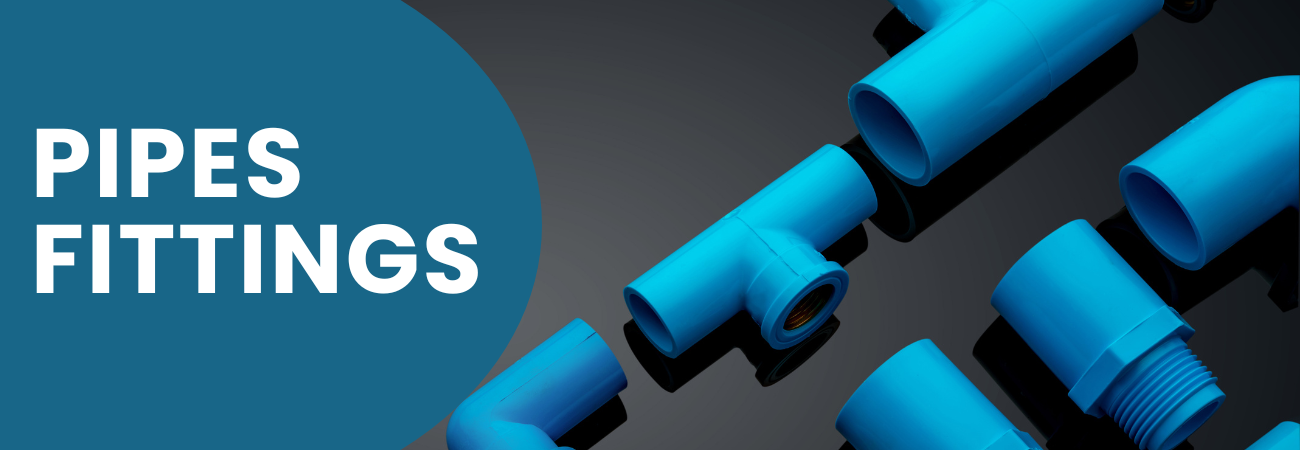
Pipe Fittings
Introduction
Pipe fittings are the parts that connect pipes, change their direction or control the flow of water. They keep a plumbing or drainage system leak-free and efficient. This guide explains why pipe fittings matter, which types are common and where they are used.
Key Takeaways
- Pipe fittings join pipes and guide the flow of water and other fluids.
- The right fitting lowers pressure loss and prevents leakage.
- PVC pipe fittings do not rust, rot or corrode.
- Fittings join pipes with a rubber ring or with solvent cement.
What Are Pipe Fittings?
Pipe fittings are accessories used along with pipes to form a working plumbing and drainage system. Together, pipes and fittings carry water and other fluids from one point to another. Homes, factories and large buildings all depend on them.
Fittings connect to pipes in one of two ways: with a rubber ring or with solvent cement. PVC pipe fittings are designed to give leak-proof joints. For help choosing the right cement, read our guide to PVC solvent cement.
Why Pipe Fittings Matter
Better Flow
Manufacturers design fittings to keep fluids moving smoothly. When you choose and install the correct fitting, water travels efficiently from one point to another. As a result, pressure loss drops and the whole system performs better.
No Leakage
The main job of a fitting is to stop leaks. A properly installed fitting makes a firm connection. Therefore, you avoid water waste, property damage and higher repair costs. Regular inspection also helps you spot small leaks early.
Long Service Life
Material and build quality decide how long a fitting lasts. Good-quality fittings resist corrosion and rust, so they have a longer lifespan. In the long run, durable fittings save you both time and money because you replace them less often.
Common Types of Pipe Fittings
Most plumbing and drainage systems use the following fittings:
- Tees: split the flow into two directions.
- Elbows: change the direction of a pipeline.
- Couplings: join two straight pipes.
- Reducers: connect pipes of different sizes.
- Crosses: create a four-way connection.
- Unions: allow easy disconnection for repair.
- Caps and plugs: seal the end of a pipe.
- Adapters (male and female): connect pipes with different joint types.
- Bushings and nipples: link or reduce threaded connections.
- Flanges: join pipes to valves, pumps and equipment.
To compare sizes and uses side by side, see our PVC pipe fittings chart.
Uses of Pipes and Fittings
Water Supply
PVC pipes and fittings are strong, lightweight and low-reactive. For this reason, they suit water distribution. They have a maximum temperature limit, so people use them on cold water lines. They do not wear, rot or rust, and they yield under load without cracking. Moreover, builders use them widely in sanitary and underground plumbing.
Chemical Industry
PVC pipes and fittings resist inorganic acids, alkalis, salts and alcohols. Because they also resist corrosion, industries use them to carry hazardous chemicals.
Why Choose Ajay Pipes?
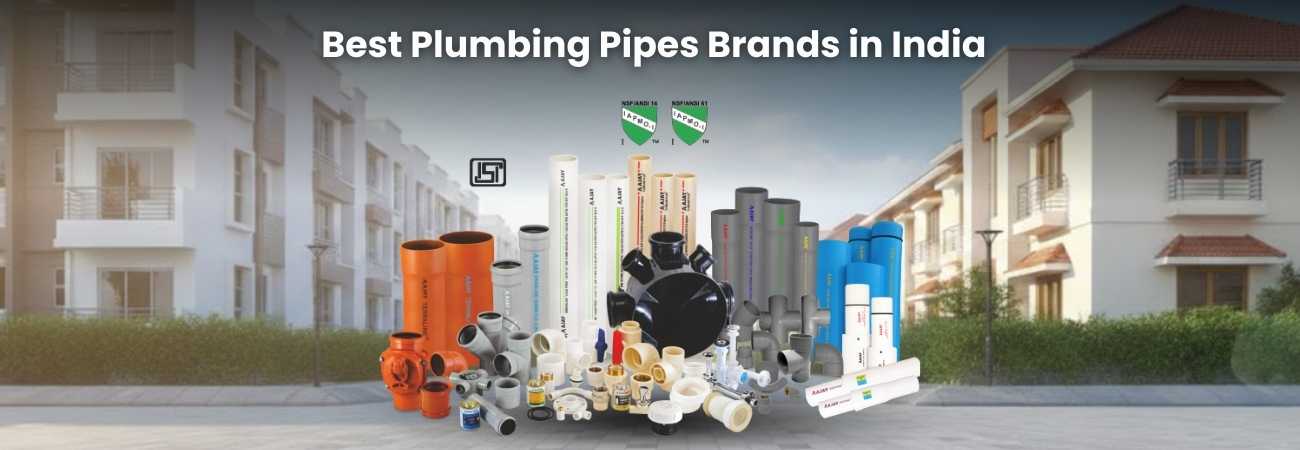
Ajay Pipes is a plumbing company with more than 50 years of experience. We are a pioneer in UPVC pipes, UPVC corrugated pipes, handpumps, reinforced layflat hose and reinforced suction hose. Our PVC pipe fittings follow strict quality standards.
- We use the latest technology and machinery.
- We use virgin raw materials of the highest quality.
- We follow strict quality standards.
- We sell across India through 11 warehouses and a wide dealer network.
- We train plumbing experts and technicians to improve their skills.
Have a question about pipes and fittings? Call Ajay Pipes on toll-free 1800-11-4050 or write to info@ajaypipes.com.
FAQs
Pipe fittings are accessories that connect pipes, change their direction or control flow. They help form a complete plumbing or drainage system.
They keep water flowing smoothly, lower pressure loss and prevent leaks. Good-quality fittings also last longer, so you replace them less often.
Common types include tees, elbows, couplings, reducers, crosses, unions, caps, plugs, adapters, bushings, nipples and flanges.
Fittings join pipes using either a rubber ring or solvent cement. Both methods can give a leak-proof joint when installed correctly.
No. PVC fittings have a maximum temperature limit, so people use them on cold water lines.
For any queries, contact the plumbing experts at Ajay pipes on the Toll Free No. : 1800-11-4050 or via email at our email address info@ajaypipes.com



7 Comments