UPVC vs PVC: What Is the Difference Between UPVC and PVC Pipes?
Introduction
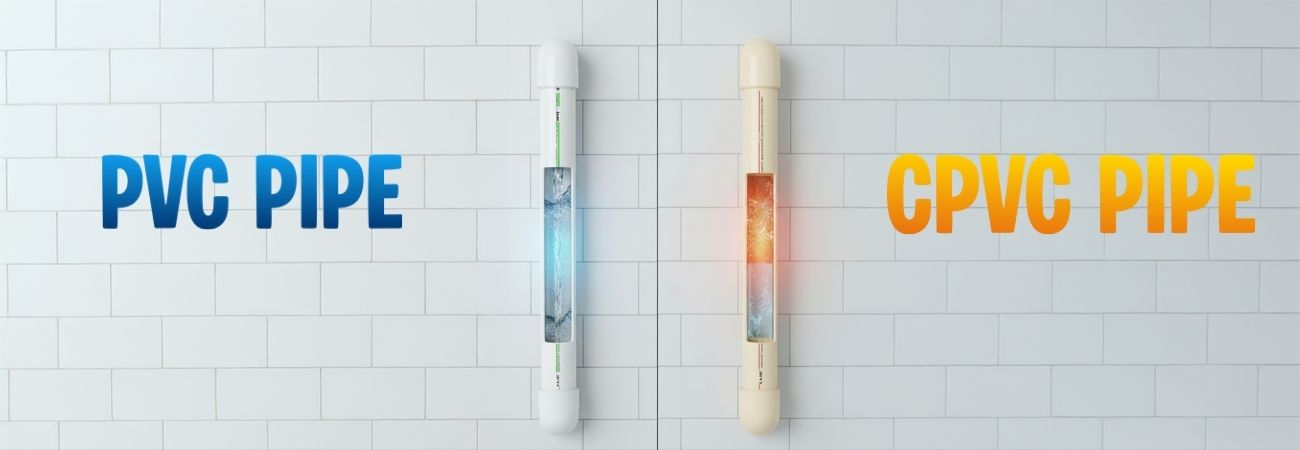
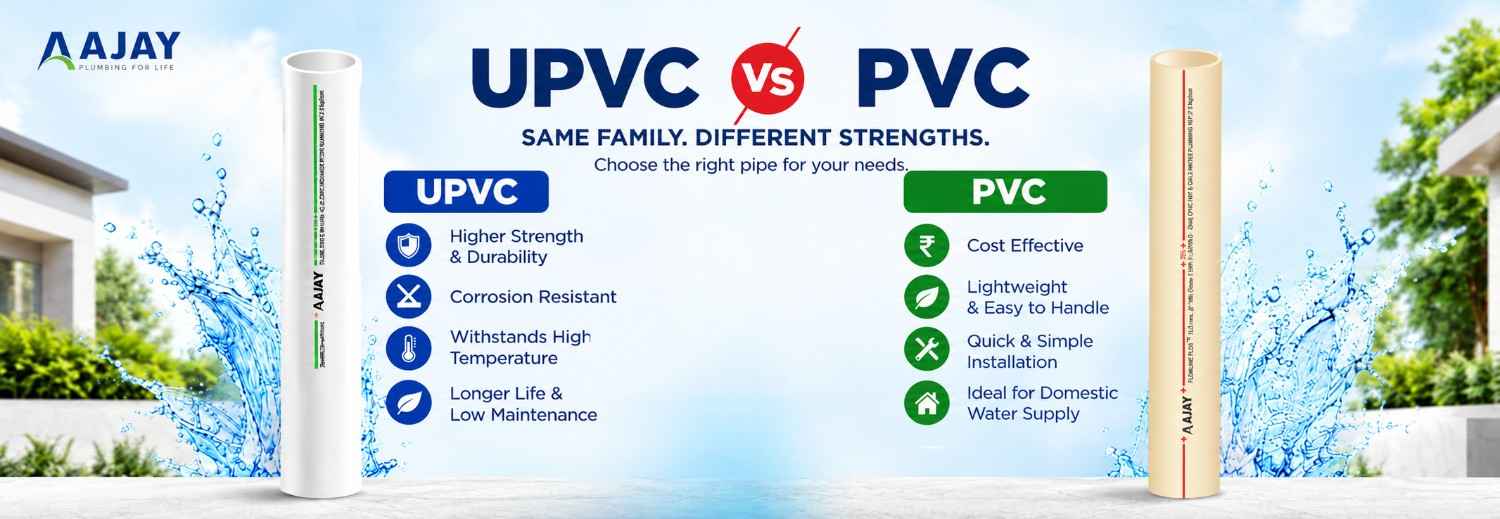
UPVC (Unplasticized Polyvinyl Chloride) and PVC (Polyvinyl Chloride) come from the same base resin, but they are not the same product. For instance, standard PVC contains plasticizers that make it softer and more flexible, so it’s typically used in low-pressure jobs like wiring insulation and light-duty tubing. UPVC skips the plasticizers entirely, which makes it rigid, stronger, and far more resistant to pressure, heat, and UV exposure. That’s the reason it’s the go-to choice for water supply lines, drainage systems, and outdoor plumbing.
If you only remember one line for the upvc vs pvc debate: PVC is flexible and general-purpose, UPVC is rigid and built for pressure.
This confusion is common because both materials share the same chemical family and even look similar on a hardware store shelf. But the manufacturing process behind each one changes how the finished pipe behaves in real-world conditions, and choosing the wrong one for your project can mean leaks, cracking, or a system that fails years before it should.
What Is PVC Pipe?
Manufacturers make PVC pipe from polyvinyl chloride resin blended with plasticizers and other additives. Specifically, they add these chemical compounds during manufacturing to make the finished plastic softer and more workable. As a result, standard PVC gets its bendable, moldable quality.
Because of this flexibility, manufacturers commonly use PVC for:
- Electrical wire insulation and cable conduit
- Low-pressure irrigation and garden hose lines
- Packaging, signage, and non-structural products
- General-purpose tubing where high pressure isn’t a factor
- Flooring and other flexible construction materials
However, the trade-off for that flexibility is durability. The polymer structure doesn’t permanently lock plasticizers in place. Over years of exposure to sunlight, heat, and pressure, they can slowly migrate out of the material. Consequently, this process, which experts sometimes call plasticizer migration, gradually makes the pipe more brittle and shortens its usable life, especially in outdoor or high-load conditions. That’s why building codes and plumbing standards generally don’t recommend standard PVC for pressurized water systems.
What Is UPVC Pipe?
UPVC stands for Unplasticized Polyvinyl Chloride, and the “U” tells you everything you need to know. Manufacturers leave plasticizers out of the compound entirely, which keeps the polymer chains tightly and permanently bound together. The result is a harder, more rigid, and dimensionally stable pipe.
This structural difference is what makes UPVC the material of choice for:
- Municipal and residential water supply systems
- Underground and aboveground drainage and sewage lines
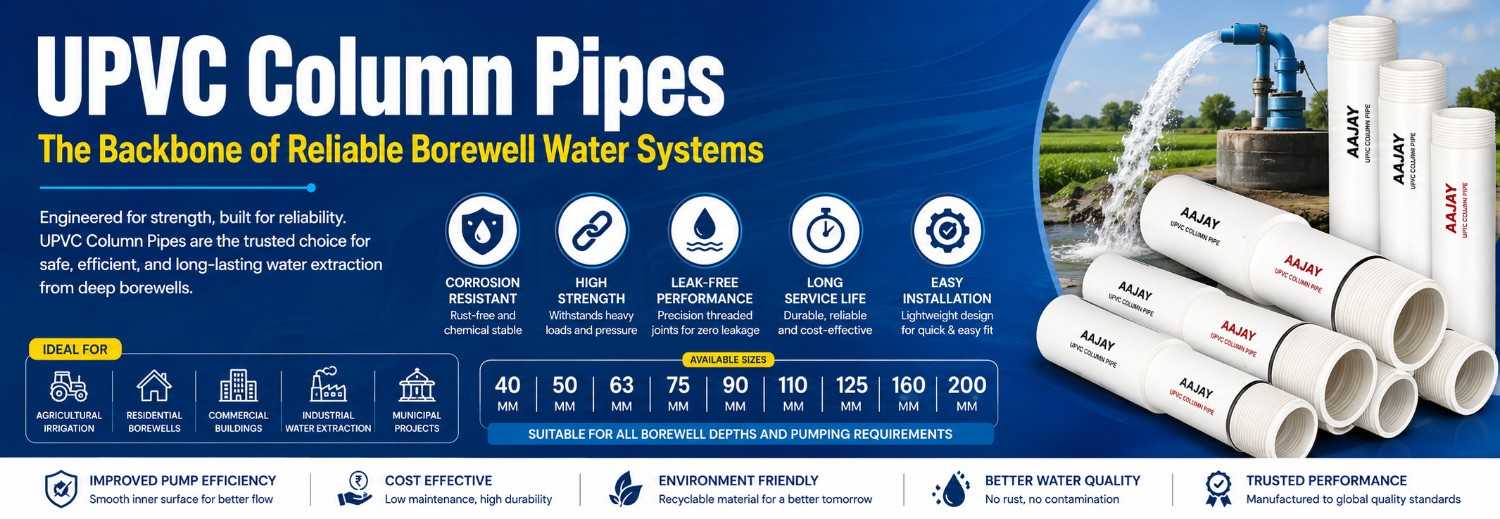
- Borewell casing and agricultural piping
- Industrial fluid transport, including mild chemicals and effluents
- Outdoor installations exposed to direct sun, heat, and monsoon rain
Because UPVC has no plasticizers to leach or degrade over time, it holds its strength and shape for decades. It also resists ultraviolet (UV) radiation far better than standard PVC, which is a major advantage in a climate like India’s, where installers often place pipes above ground, exposing them to intense sun for most of the year. This stability is also why experts consider UPVC a safer material for carrying drinking water, since there are no plasticizing chemicals that could potentially interact with the water supply over the pipe’s lifetime.
UPVC vs PVC Pipe: Key Differences
| Parameter | PVC Pipe | UPVC Pipe |
|---|---|---|
| Composition | Contains plasticizers and softening additives | No plasticizers, pure, rigid PVC compound |
| Flexibility | Softer and more flexible | Rigid and dimensionally stable |
| Pressure Handling | Suited to low-pressure use | Built for high-pressure water and drainage systems |
| Temperature Resistance | Performs best at moderate temperatures | Stable for cold-to-moderate water systems (up to ~60°C) |
| UV & Weather Resistance | Can degrade with prolonged sun exposure | Strong UV resistance, ideal for outdoor use |
| Chemical Resistance | Moderate | High; resists corrosion and most chemicals |
| Jointing Method | Solvent cement or threading | Solvent cement, threading, or rubber-ring joints |
| Common Uses | Wiring, packaging, light-duty tubing | Water supply, sewage, plumbing, irrigation |
| Lifespan | Shorter in outdoor/pressurized conditions | Longer service life, often 25+ years |
| Cost | Generally lower upfront cost | Slightly higher upfront, lower lifetime cost |
UPVC vs PVC: Why the Difference Matters for Your Project
1. Strength and Rigidity
UPVC’s lack of plasticizers means it holds its shape under sustained load and internal water pressure. In contrast, standard PVC, being softer, simply can’t handle the same structural demands, which is why you won’t find it specified in pressurized plumbing systems or municipal water networks.
2. Safety for Drinking Water
Plasticizers and certain stabilizers used in regular PVC aren’t ideal for prolonged contact with potable water. Therefore, UPVC’s cleaner, additive-free composition is exactly why it’s the preferred material for household and municipal drinking water pipelines, and why plumbing standards across India specify UPVC for this use.
3. Weather and Outdoor Durability
Most of India experiences intense heat and strong UV exposure for a large part of the year, followed by heavy monsoon rain. UPVC’s UV resistance means pipes installed outdoors, on rooftops, or underground won’t turn brittle or crack the way lower-grade PVC can after repeated seasonal exposure.
4. Installation and Jointing
You can join both materials using solvent cement, but UPVC pipes used in pressurized systems often rely on additional jointing methods like rubber-ring (elastomeric) joints or threaded connections, which allow for slight expansion and contraction without weakening the joint. As a result, UPVC systems stay more reliable over long pipe runs and in systems that experience pressure fluctuations.
5. Long-Term Cost of Ownership
PVC may look cheaper on the price tag, but if you use it for a pressure or outdoor application it can’t handle, replacement, repair, and water-loss costs add up quickly. In contrast, UPVC’s longer service life, often 25 years or more with proper installation, usually makes it the more economical choice when you calculate cost over the full lifetime of a plumbing or drainage system, not just the purchase price.
6. Standards and Certification
In India, manufacturers produce UPVC pipes intended for water supply and drainage to Bureau of Indian Standards (IS) specifications, covering wall thickness, pressure rating, and material purity. Therefore, when comparing UPVC vs PVC pipe options for a project, checking for ISI certification is one of the simplest ways to confirm you’re getting a pipe rated for its intended use.
Which Should You Choose: UPVC or PVC?
- Choose UPVC for water supply lines, sewage and drainage systems, borewell casing, agricultural piping, and any outdoor or underground installation where strength and weather resistance matter.
- Choose PVC for wiring insulation, low-pressure tubing, and applications where flexibility is more important than pressure resistance.
For most plumbing, construction, and agricultural projects across India, UPVC is the safer and more durable pick, which is why it’s the standard specified in modern residential and commercial water systems, and increasingly in agricultural irrigation networks as well.
Conclusion
Whether you’re planning a plumbing line, a drainage network, or an irrigation setup, knowing the difference between UPVC and PVC pipes helps you avoid costly mistakes down the road. Ajay Pipes manufactures UPVC and PVC pipes built to IS standards for durability, safety, and long-term performance, so you get the right pipe for the job, the first time.
Have a project in mind? Get in touch with Ajay Pipes to find the right pipe solution for your needs.
FAQs
PVC contains plasticizers that make it flexible and softer, while UPVC has no plasticizers, making it rigid, stronger, and better suited for pressurized systems.
Yes. UPVC’s rigidity, chemical resistance, and UV stability make it the preferred material for water supply and drainage plumbing, while standard PVC is better suited to non-pressurized, low-demand applications.
Yes. UPVC is widely used for potable water systems because it doesn’t contain the plasticizers found in standard PVC, making it a more stable and food-safe option.
UPVC typically costs a little more upfront, but its longer lifespan and lower maintenance needs usually make it more cost-effective over time.
No. They’re built for different purposes UPVC for pressure, water supply, and outdoor use; PVC for lighter, non-pressurized applications like wiring and low-load tubing. Using one in place of the other can lead to premature failure.
For any queries, contact the plumbing experts at Ajay pipes on the Toll Free No. : 1800-11-4050 or via email at our email address info@ajaypipes.com