What is PVC Pipe? Meaning, Uses, and Applications Explained
Introduction
PVC pipes are among the most widely used piping solutions in modern construction, plumbing, agriculture, and industrial systems. From residential water supply lines to large-scale infrastructure projects, PVC pipes have become the preferred choice because of their durability, cost-effectiveness, and versatility.
In this guide, we’ll explain what PVC pipe is, its meaning, key uses, major applications, and the reasons behind its growing popularity across industries.
What Is PVC Pipe?
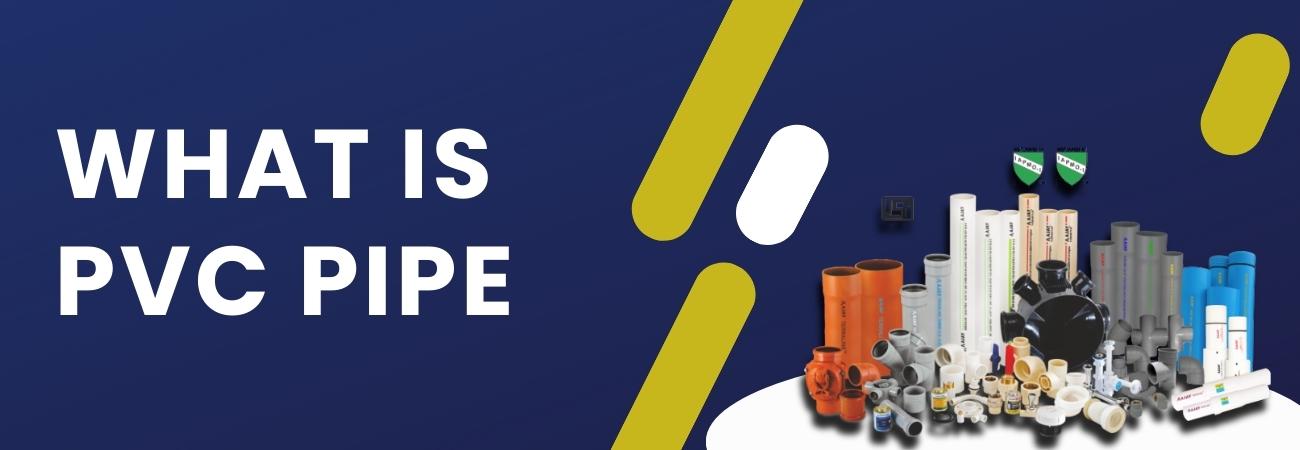
PVC pipe is a type of plastic pipe made from Polyvinyl Chloride (PVC), a synthetic polymer produced from petroleum and salt. It is rigid, lightweight, and highly resistant to corrosion, making it an ideal material for transporting water and other fluids safely and efficiently.
PVC piping systems are available in a variety of sizes, wall thicknesses, and pressure ratings to meet residential, commercial, agricultural, and industrial requirements.
PVC Pipe Meaning
The term PVC pipe refers to pipes manufactured from polyvinyl chloride material and designed primarily for fluid transportation, drainage, and structural support applications. Unlike metal pipes, PVC pipes do not rust, scale, or corrode over time, ensuring dependable long-term performance with minimal maintenance.
Key characteristics of PVC pipes include:
- Smooth inner surface for efficient flow
- High hydraulic performance
- Excellent chemical resistance
- Long service life
- Low maintenance requirements
Key Properties of PVC Pipes
1. Lightweight and Easy to Install
PVC pipes are significantly lighter than metal alternatives, reducing transportation costs and simplifying installation for contractors and homeowners.
2. Corrosion and Chemical Resistance
They resist acids, alkalis, salts, and many chemicals, making them suitable for wastewater systems and industrial applications.
3. Long Service Life
With proper installation and operating conditions, PVC pipes can deliver reliable performance for more than 50 years.
4. Smooth Internal Surface
The smooth bore minimizes friction losses, improves flow efficiency, and helps prevent blockages.
5. Cost-Effective Solution
PVC pipes are generally more affordable than many traditional piping materials and require less maintenance throughout their lifespan.
Types of PVC Pipes
Different types of PVC pipes are designed for different applications.
Rigid PVC Pipes
These are commonly used for plumbing, drainage, and water supply systems where structural strength is required.
UPVC Pipes
Unplasticized PVC (UPVC) pipes offer enhanced strength and are widely used for potable water supply and plumbing installations.
PVC Pressure Pipes
Designed to withstand higher operating pressures, these pipes are suitable for irrigation systems and industrial water supply networks.
PVC SWR Pipes
SWR (Soil, Waste, and Rainwater) pipes are specifically engineered for efficient drainage and wastewater management in residential and commercial buildings.
PVC Pipe Uses
PVC pipes are utilized across numerous sectors due to their versatility and dependable performance.
Water Supply Systems
PVC pipes safely transport drinking water thanks to their corrosion-resistant and non-toxic properties.
Drainage and Sewerage
They provide efficient wastewater and sewage conveyance while minimizing leakage and maintenance issues.
Agricultural Irrigation
PVC piping is extensively used in drip irrigation, sprinkler systems, borewell connections, and water distribution networks.
Plumbing Systems
Residential and commercial plumbing installations frequently rely on PVC pipes for internal and external water distribution.
Industrial Fluid Transport
Industries use PVC pipes to handle chemicals, process water, slurries, and other fluids in controlled environments.
PVC Pipe Applications Across Industries
Residential Construction
- Cold water supply systems
- Drainage networks
- Rainwater harvesting pipelines
Commercial Buildings
- Plumbing infrastructure
- Low-pressure fire safety systems
- HVAC condensate drainage
Agriculture
- Irrigation pipelines
- Water distribution systems
- Fertigation networks
Industrial Facilities
- Chemical transport
- Effluent treatment plants
- Cooling water circulation systems
Infrastructure Projects
- Municipal water supply
- Underground drainage systems
- Sewage treatment networks
Advantages of PVC Pipes Over Other Materials
PVC pipes offer several significant benefits compared to conventional metal or concrete piping systems.
- Excellent resistance to rust and corrosion
- Lower installation and transportation costs
- Minimal maintenance requirements
- Strong resistance to many chemicals
- Efficient manufacturing process
- Reliable leak-proof jointing systems
- Lightweight construction
- Long operational lifespan
These advantages make PVC pipes a preferred solution for projects ranging from household plumbing to large public infrastructure developments.
Environmental Impact of PVC Pipes
Modern PVC manufacturing follows increasingly stringent environmental standards. PVC pipes contribute to sustainability by offering:
- Recyclability in many applications
- Energy-efficient production compared to some traditional materials
- Long service life that reduces replacement frequency
- Reduced maintenance-related resource consumption
Their durability helps minimize waste generated through frequent repairs or replacements.
How to Choose the Right PVC Pipe
Selecting the appropriate PVC pipe depends on several important factors:
- Intended application (water supply, drainage, irrigation, or industrial use)
- Required pressure rating
- Pipe diameter and flow requirements
- Compliance with relevant quality and safety standards
Choosing certified products from reputable manufacturers helps ensure reliable long-term performance.
Maintenance and Safety Tips
Although PVC pipes require relatively little maintenance, following these practices can maximize their lifespan:
- Avoid prolonged exposure to excessive heat.
- Use compatible fittings and approved solvent cement.
- Ensure proper alignment during installation.
- Protect outdoor installations from extended UV exposure where necessary.
- Perform periodic inspections for joints and connections.
Conclusion
PVC pipes have revolutionized the transportation of water, wastewater, and industrial fluids across residential, commercial, agricultural, and infrastructure projects. Understanding what PVC pipe is, its meaning, uses, and applications enables homeowners, contractors, and businesses to make informed decisions when selecting piping systems.
With advantages such as durability, affordability, corrosion resistance, ease of installation, and versatility, PVC pipes remain one of the most dependable and widely adopted piping solutions for modern construction and engineering needs.
FAQ:-
1. What is the main purpose of PVC pipes?
The primary purpose of PVC pipes is to transport water, waste, and industrial fluids efficiently without corrosion or leakage.
2. Are PVC pipes safe for drinking water?
Yes, high-quality PVC pipes designed for potable water supply are safe and widely used in residential and municipal systems.
3. What are the common PVC pipe applications?
Common PVC pipe applications include plumbing, drainage, irrigation, industrial fluid transport, and infrastructure projects.
4. How long do PVC pipes last?
PVC pipes can last over 50 years when installed and maintained properly.
5. Can PVC pipes be used outdoors?
Yes, PVC pipes can be used outdoors, especially for irrigation and drainage, with proper UV protection if required.
For any queries, contact the plumbing experts at Ajay pipes on the Toll Free No. : 1800-11-4050 or via email at our email address info@ajaypipes.com