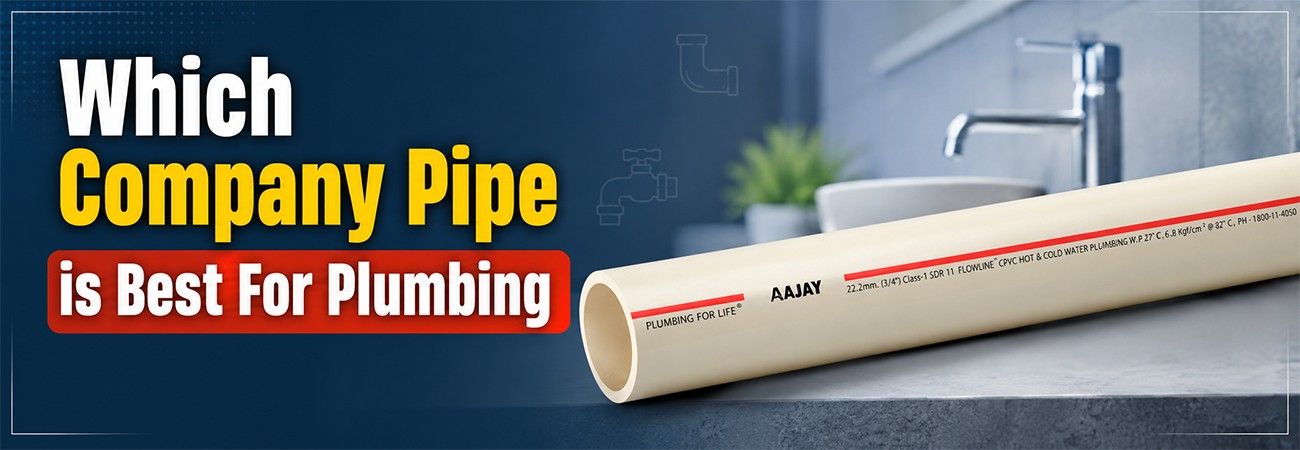
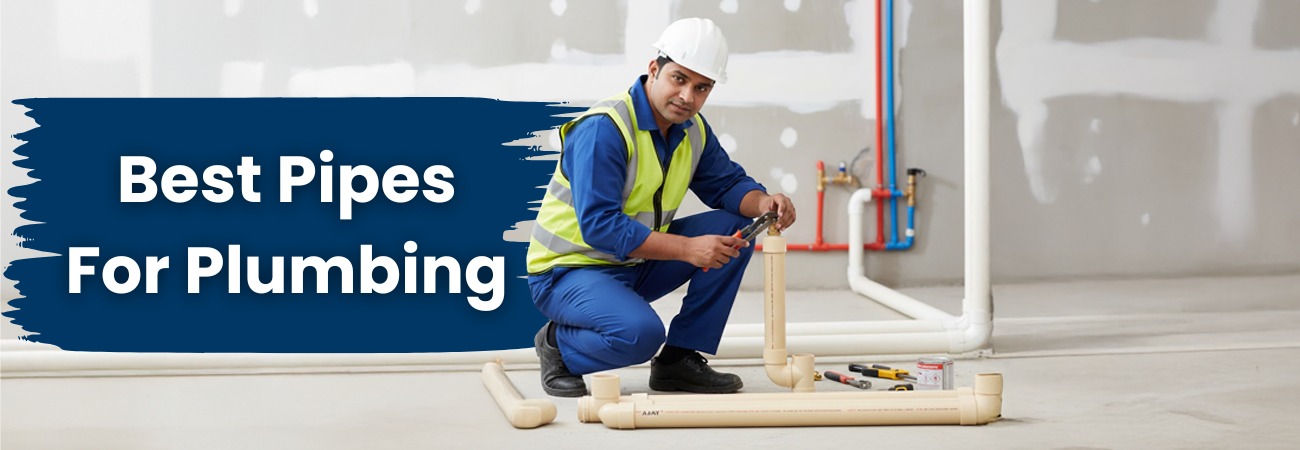
Best Pipes For Plumbing: A Smart Guide for Safe and Long Lasting Homes
Introduction
Choosing the best pipes for plumbing is one of the most important decisions in any residential or commercial construction project. Plumbing pipes are responsible for supplying clean water, managing wastewater, and ensuring a hygienic living environment. The wrong pipe selection can lead to frequent leaks, poor water quality, pressure loss, and expensive repairs.
With modern plumbing systems evolving rapidly, homeowners now have access to advanced piping solutions that are durable, safe, and cost-effective. This guide explains the best plumbing pipes, their applications, and how to select the best pipe for home plumbing based on performance, safety, and long-term value.
Why Choosing the Right Plumbing Pipe Is Important
Although plumbing pipes remain hidden behind walls and beneath floors, they play a critical role in everyday life. The right water supply pipe offers several advantages, including:
- Clean and safe drinking water
- Consistent water pressure
- Leak-free performance
- Resistance to corrosion and scaling
- Long service life with minimal maintenance
Modern homes require plumbing systems that are dependable, hygienic, and designed to last for decades.
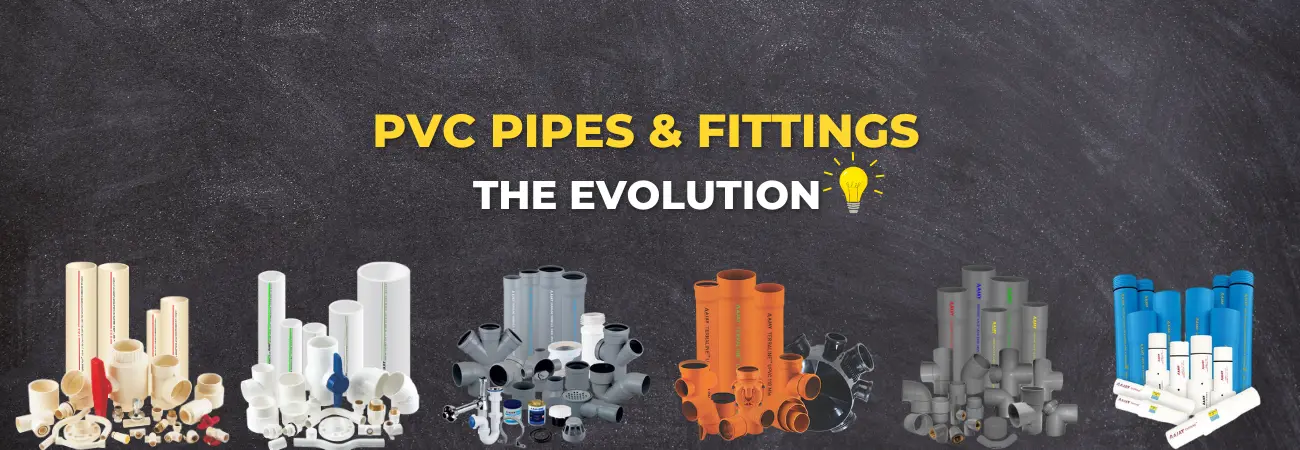
Common Types of Pipes Used in Modern Plumbing
Understanding different pipe materials makes it easier to choose the best pipes for plumbing. Here are the most commonly used options.
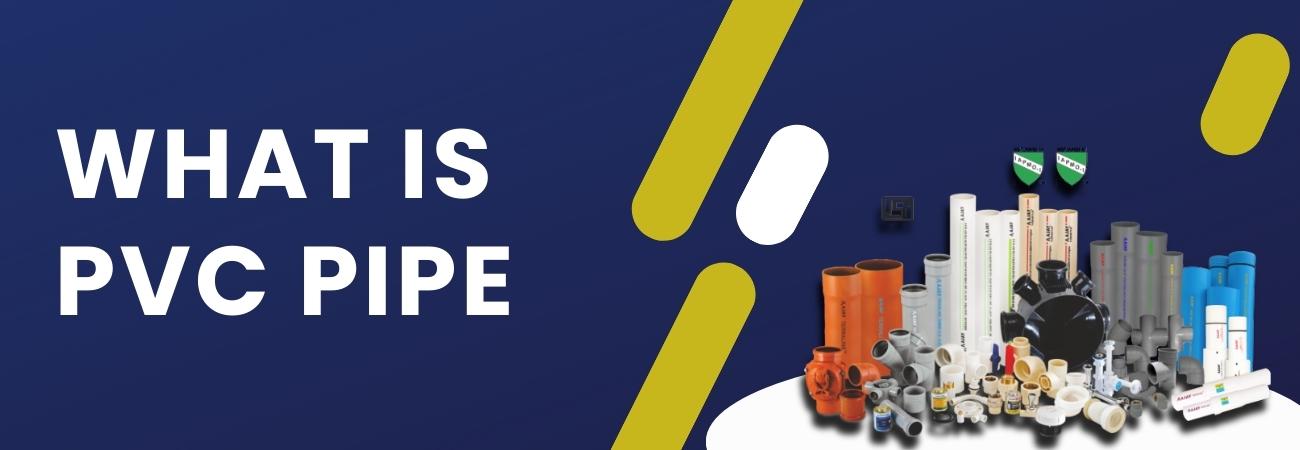
1. PVC Pipes – Best for Drainage and Waste Systems
PVC (Polyvinyl Chloride) pipes are widely used in drainage and wastewater systems due to their durability and affordability.
Key Benefits
- Lightweight and easy to install
- Corrosion and chemical resistant
- Smooth interior for efficient water flow
- Cost-effective and durable
Best Applications
- Drainage lines
- Sewer systems
- Rainwater disposal
Note: PVC pipes are not suitable for hot water supply but perform exceptionally well in drainage applications.
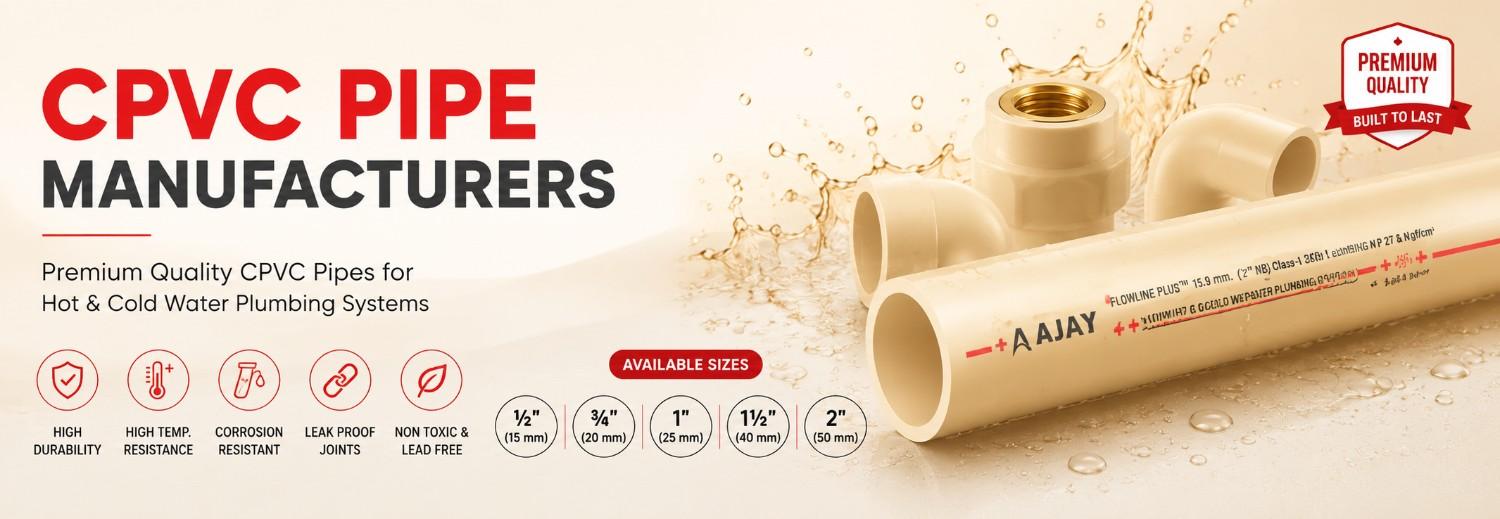
2. CPVC Pipes – Best for Hot and Cold Water Supply
CPVC (Chlorinated Polyvinyl Chloride) pipes are among the best plumbing pipes for residential water supply systems.
Key Benefits
- Excellent heat resistance
- Corrosion and scale resistant
- Safe for potable drinking water
- Easy installation using solvent cement
Best Applications
- Hot water supply
- Cold water supply
- Internal household plumbing
CPVC pipes offer an ideal combination of durability, safety, and affordability, making them a preferred choice for homeowners.
3. UPVC Pipes – Strong and Reliable for Cold Water Supply
UPVC (Unplasticized Polyvinyl Chloride) pipes are known for their rigidity and long-lasting performance.
Key Benefits
- High mechanical strength
- Non-toxic and eco-friendly
- UV and chemical resistant
- Minimal maintenance requirements
Best Applications
- Cold water supply
- External plumbing systems
- Underground pipelines
UPVC pipes are ideal for installations where strength and durability are essential.
Difference Between PVC, CPVC, and UPVC Pipes
| Pipe Type | Best Application | Temperature Resistance | Maintenance |
|---|---|---|---|
| PVC | Drainage & Waste Systems | Low | Low |
| CPVC | Hot & Cold Water Supply | High | Low |
| UPVC | Cold Water & External Plumbing | Medium | Very Low |
For most residential projects, CPVC and UPVC are considered the best pipes for home plumbing.
How to Choose the Best Pipe for Home Plumbing
Before selecting plumbing pipes, consider the following factors:
1. Water Temperature
Hot water systems require heat-resistant materials such as CPVC pipes.
2. Installation Location
Outdoor and underground plumbing benefits from the strength and UV resistance of UPVC pipes.
3. Water Quality
Choose pipes made from non-toxic materials that are certified safe for drinking water.
4. Durability and Lifespan
High-quality plumbing pipes reduce future repair and replacement costs.
5. Compliance with Standards
Always select pipes that comply with national plumbing and quality standards.
Best Plumbing Pipes for Residential Applications
Different plumbing needs require different pipe materials.
| Application | Recommended Pipe |
|---|---|
| Hot Water Supply | CPVC Pipes |
| Cold Water Supply | CPVC or UPVC Pipes |
| Drainage Systems | PVC Pipes |
| External Plumbing | UPVC Pipes |
Selecting the appropriate water supply pipe improves water flow, efficiency, and system reliability.
Common Plumbing Mistakes to Avoid
Avoid these common mistakes to maximize the lifespan of your plumbing system:
- Using drainage pipes for water supply
- Ignoring pressure and temperature ratings
- Purchasing low-quality materials
- Improper sealing of pipe joints
- Failing to plan for future maintenance
Proper pipe selection and installation help ensure long-term plumbing performance.
Maintenance Tips for Long-Lasting Plumbing Pipes
Follow these maintenance practices to keep your plumbing system in excellent condition:
- Inspect pipes and fittings regularly
- Maintain recommended water pressure
- Protect exposed pipes from direct sunlight
- Repair leaks immediately
- Use certified fittings and accessories
Routine maintenance extends the life of your best pipe for home plumbing while reducing repair costs.
Conclusion
Choosing the best pipes for plumbing is essential for building a safe, efficient, and long-lasting plumbing system. Whether you need PVC pipes for drainage, CPVC pipes for hot and cold water supply, or UPVC pipes for external plumbing, selecting the right water supply pipe ensures reliable performance for years to come.
By investing in high-quality materials, following proper installation practices, and performing regular maintenance, homeowners can enjoy a durable plumbing system that delivers clean water, consistent performance, and long-term peace of mind.
FAQ:-
The internal diameter, smoothness, and quality of plumbing pipes directly impact water pressure. High-quality best plumbing pipes like CPVC and UPVC reduce friction loss, allowing consistent water flow throughout the home.
Yes, low-quality or outdated pipes can affect water taste and odor. Choosing certified water supply pipe materials ensures clean, odor-free, and safe drinking water for daily use.
CPVC pipes are ideal for concealed plumbing because they are durable, leak-resistant, and capable of handling temperature variations without cracking or deforming.
Pipe thickness plays a crucial role in pressure handling and durability. Thicker pipes are more resistant to leaks and long-term wear, making them a better option for best pipe for home plumbing systems.
Well-installed best plumbing pipes such as CPVC and UPVC typically last several decades. Replacement is usually required only if there are visible leaks, damage, or major renovations.
For any queries, contact the plumbing experts at Ajay pipes on the Toll Free No. : 1800-11-4050 or via email at our email address info@ajaypipes.com