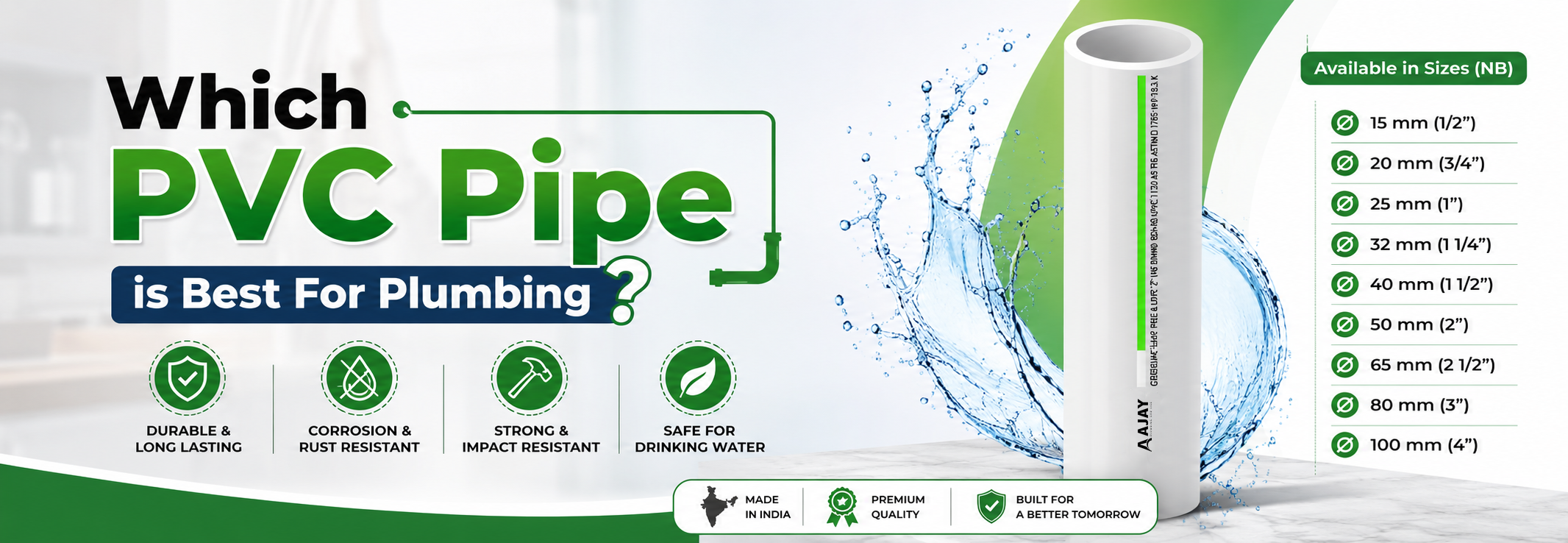
Which PVC Pipe Is Best for Plumbing? A Complete Guide for Homeowners and Builders
Introduction
Choosing the right plumbing pipe is one of the most important decisions for any residential, commercial, or industrial project. With several options available in the market, PVC pipes have become a preferred choice due to their durability, affordability, and excellent performance. However, many homeowners, contractors, and builders often ask: Which PVC pipe is best for plumbing?
The answer depends on factors such as water pressure requirements, application type, pipe quality, certifications, and the manufacturer’s reputation. In this comprehensive guide, we will discuss everything you need to know about selecting the best PVC pipe for plumbing, its advantages, types, applications, and key factors to consider before making a purchase.
Understanding PVC Pipes
PVC (Polyvinyl Chloride) is a synthetic plastic polymer widely used in plumbing systems across the world. PVC pipes are known for their lightweight structure, corrosion resistance, and long service life. They are commonly used for water supply, drainage systems, irrigation, and various industrial applications.
Modern PVC plumbing pipes are designed to withstand varying temperatures, water pressure levels, and environmental conditions, making them a reliable choice for long-term plumbing solutions.
Why PVC Pipes Are Popular for Plumbing
PVC pipes have gained widespread acceptance in the construction industry due to several benefits.
1. Corrosion Resistance
Unlike metal pipes, PVC pipes do not rust or corrode when exposed to water and moisture. This ensures clean water flow and extends the lifespan of the plumbing system.
2. Lightweight and Easy Installation
PVC pipes are significantly lighter than traditional metal pipes, making transportation and installation faster and more cost-effective.
3. High Durability
Quality PVC pipes can last for decades without requiring major maintenance, reducing overall plumbing expenses.
4. Cost-Effective Solution
PVC piping systems are affordable compared to many alternative materials, making them ideal for residential and commercial projects.
5. Smooth Water Flow
The smooth inner surface minimizes friction, ensuring efficient water flow and reducing pressure loss.
6. Leak-Proof Joints
Properly installed PVC pipes create secure and leak-resistant joints that improve system reliability.
Types of PVC Pipes Used for Plumbing
Understanding different types of PVC pipes helps in selecting the most suitable option.
Standard PVC Pipes
These pipes are commonly used for drainage and low-pressure applications. They are suitable for basic plumbing installations.
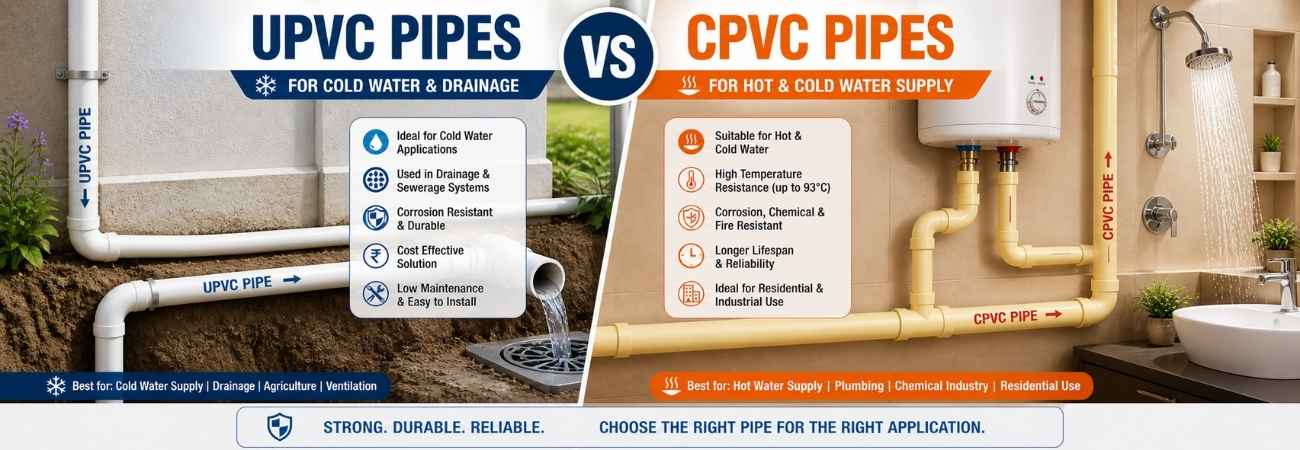
UPVC Pipes
Unplasticized Polyvinyl Chloride (UPVC) pipes are stronger and more rigid than standard PVC pipes.
Advantages of UPVC Pipes
- Chemical resistance
- Long lifespan
- Low maintenance
- Safe for potable water
CPVC Pipes
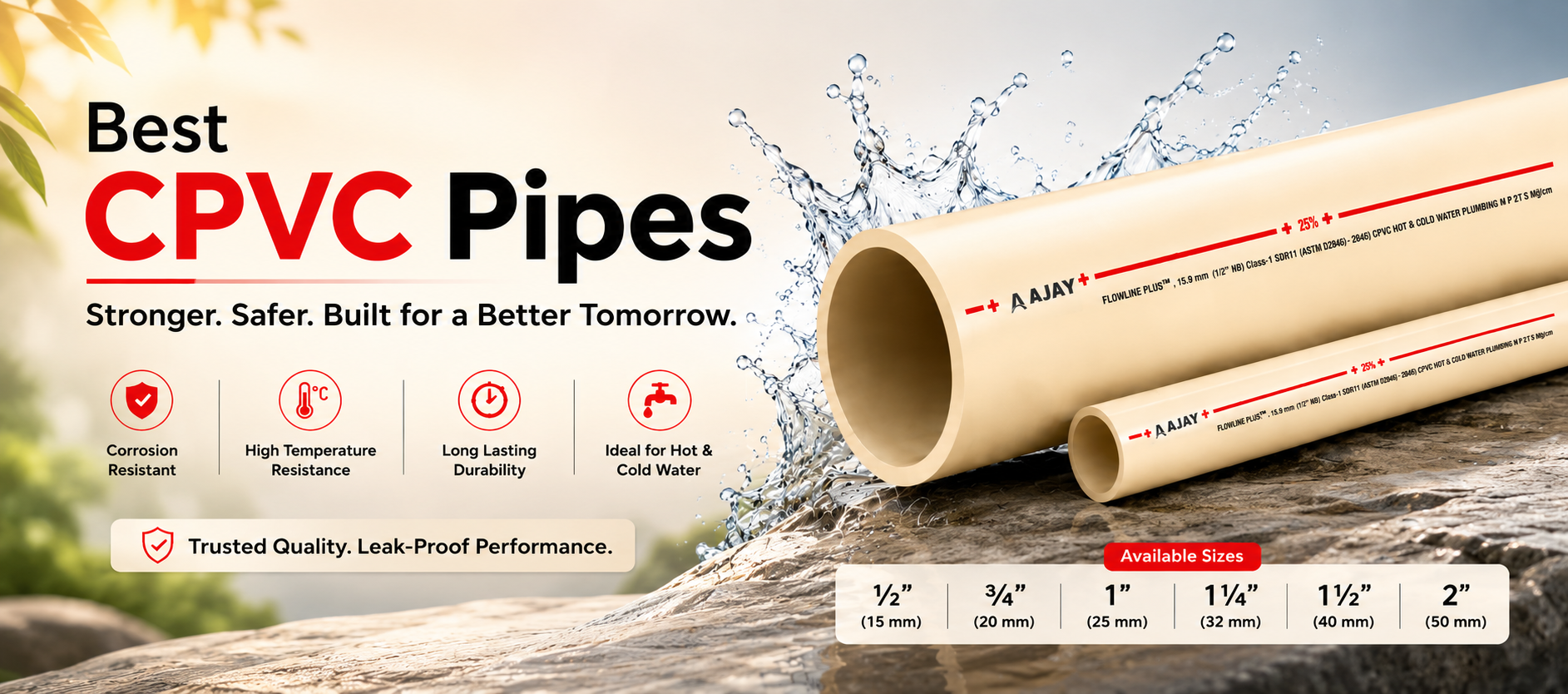
Chlorinated Polyvinyl Chloride (CPVC) pipes are designed for both hot and cold water applications. They can withstand higher temperatures than regular PVC pipes.
Best Applications
- Residential plumbing
- Commercial buildings
- Hot water distribution systems
Which PVC Pipe Is Best for Plumbing?
When evaluating the best PVC pipe for plumbing, several factors should be be considered.
1. Water Supply Requirements
For drinking water applications, UPVC pipes are often regarded as one of the best choices because they maintain water purity and resist contamination.
If hot water transportation is required, CPVC pipes become the preferred option due to their temperature resistance.
2. Pressure Rating
Always select pipes with an appropriate pressure rating according to the building’s plumbing design.
Common pressure classes include:
- Class 1
- Class 2
- Class 3
- Higher pressure variants
Higher pressure ratings are generally recommended for multi-story buildings and industrial applications.
3. Quality Standards and Certifications
The best pipe for water supply should comply with recognized industry standards such as:
- BIS certification
- ISI marking
- ASTM standards
- ISO certifications
4. Manufacturer Reputation
Choosing a reputable brand ensures product consistency, durability, and after-sales support. Established manufacturers invest heavily in quality control and testing.
5. Pipe Thickness
Thicker pipes generally offer greater strength and pressure-handling capabilities. Always verify the pipe specifications before purchasing.
Key Features of High-Quality PVC Plumbing Pipes
When comparing brands and products, look for these essential characteristics:
Superior Material Quality
Premium-grade PVC resin improves strength, durability, and longevity.
UV Resistance
UV-resistant pipes perform better in outdoor installations exposed to sunlight.
Chemical Resistance
Quality pipes can withstand exposure to chemicals without degradation.
Smooth Internal Surface
A smooth bore reduces blockages and enhances water flow efficiency.
Strong Jointing System
Reliable solvent-weld joints help prevent leakage and ensure system stability.
Applications of PVC Pipes in Plumbing
PVC pipes are highly versatile and can be used in various plumbing applications.
Residential Water Supply
Homes rely on PVC piping systems for efficient water distribution throughout kitchens, bathrooms, and utility areas.
Commercial Buildings
Office complexes, shopping centers, hotels, and hospitals frequently use PVC plumbing systems due to their reliability.
Drainage Systems
PVC pipes effectively transport wastewater while resisting corrosion and blockages.
Agricultural Irrigation
Farmers use PVC pipes for irrigation networks because they provide efficient water delivery over long distances.
Industrial Installations
Many industries utilize PVC pipes for chemical handling and water transportation systems.
Factors to Consider Before Buying PVC Pipes
Pipe Diameter
Selecting the correct diameter is crucial for maintaining adequate water flow and pressure.
Common sizes include:
- 20 mm
- 25 mm
- 32 mm
- 40 mm
- 50 mm
The appropriate size depends on the specific plumbing layout.
Installation Environment
Indoor and outdoor installations may require different pipe specifications.
Temperature Conditions
For hot water systems, CPVC pipes are generally more suitable than standard PVC pipes.
Budget
While cost is important, investing in premium-quality pipes often reduces maintenance and replacement expenses over time.
Warranty
Manufacturers offering strong warranties typically demonstrate confidence in product performance and quality.
Common Mistakes to Avoid When Choosing PVC Pipes
Ignoring Quality Certifications
Always verify certification marks before purchasing.
Choosing Pipes Based Only on Price
Cheaper products may compromise durability and performance.
Selecting Incorrect Pipe Size
Improper sizing can lead to pressure issues and reduced efficiency.
Using Standard PVC for Hot Water
Regular PVC is not ideal for high-temperature water applications.
Neglecting Professional Installation
Even the best pipes require proper installation to achieve optimal performance.
Benefits of Using the Best PVC Pipe for Water Supply
Choosing premium-quality PVC pipe for water supply offers numerous long-term advantages:
- Consistent water pressure
- Improved water quality
- Reduced maintenance costs
- Long service life
- Leak-free performance
- Enhanced plumbing reliability
- Lower installation expenses
These benefits make PVC pipes one of the most economical and practical plumbing solutions available today.
How Long Do PVC Plumbing Pipes Last?
One of the biggest advantages of PVC plumbing pipes is their exceptional lifespan. Under normal operating conditions and proper installation practices, quality PVC pipes can last anywhere between 50 to 100 years.
Factors affecting longevity include:
- Water quality
- Installation quality
- Exposure to sunlight
- Pressure conditions
- Material quality
Regular inspection and proper maintenance can further extend the lifespan of the system.
Conclusion
When determining which PVC pipe is best for plumbing, the ideal choice depends on the intended application. For cold water distribution and drinking water systems, high-quality UPVC pipes are often considered the best option. For hot and cold water applications, CPVC pipes provide superior performance due to their temperature resistance.
The key to selecting the best PVC pipe for plumbing lies in choosing certified products from trusted manufacturers, ensuring the correct pressure rating, and matching the pipe type to your specific plumbing requirements. By investing in quality PVC plumbing pipes, homeowners and builders can enjoy a durable, cost-effective, and reliable water distribution system for decades.
FAQ:-
1. Which PVC pipe is best for plumbing in homes?
UPVC pipes are generally considered one of the best options for residential cold water plumbing, while CPVC pipes are ideal for both hot and cold water systems.
2. Are PVC plumbing pipes safe for drinking water?
Yes. Certified UPVC pipes manufactured according to industry standards are safe for potable water supply and help maintain water quality.
3. What is the difference between PVC and CPVC pipes?
PVC pipes are primarily used for cold water and drainage applications, whereas CPVC pipes can handle both hot and cold water due to their higher temperature resistance.
4. How long does a PVC pipe for water supply last?
High-quality PVC pipes can last between 50 and 100 years when installed and maintained properly.
5. What factors should I consider when selecting the best PVC pipe for plumbing?
Important factors include pipe type, pressure rating, certifications, application requirements, pipe size, manufacturer reputation, and installation conditions.
For any queries, contact the plumbing experts at Ajay pipes on the Toll Free No. : 1800-11-4050 or via email at our email address info@ajaypipes.com