UPVC Pipe Full Form: Meaning, Benefits, Uses & Complete Guide
Introduction
When it comes to modern plumbing and water supply systems, UPVC pipes have become a preferred choice across residential, commercial, and industrial projects. But many people still search for the UPVC Pipe Full Form, its meaning, and why it is widely used in construction.
In this detailed guide, we will explain the UPVC full form, explore what is UPVC pipe, understand the UPVC pipe meaning, and discuss its advantages, applications, and why it is a trusted material in the piping industry.
UPVC Pipe Full Form
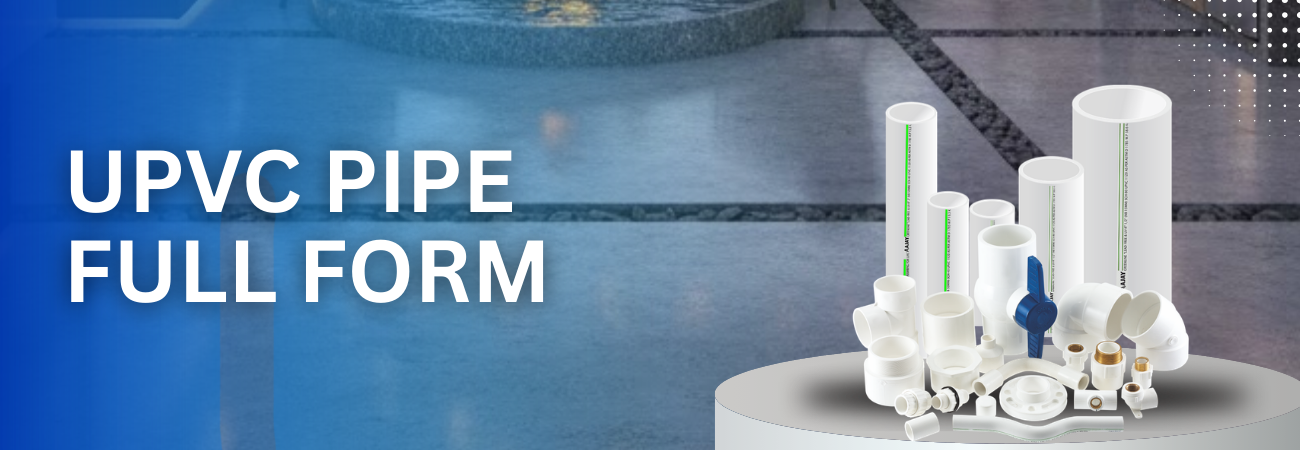
The UPVC Pipe Full Form is Unplasticized Polyvinyl Chloride.
UPVC is a rigid form of PVC (Polyvinyl Chloride). Unlike regular PVC, UPVC does not contain plasticizers. Plasticizers are additives that make plastic flexible. Since UPVC does not include these additives, it remains strong, rigid, and highly durable.
This is the key reason why UPVC pipes are widely used for water supply and plumbing systems.
UPVC Full Form Explained in Detail
To better understand the UPVC full form, let’s break it down:
- U – Unplasticized
- PVC – Polyvinyl Chloride
When plasticizers are added, it becomes flexible PVC. When plasticizers are not added, it remains rigid and is known as UPVC.
This rigidity makes UPVC ideal for pressure pipes and plumbing applications.
What is UPVC Pipe?
If you are wondering what is UPVC pipe, here’s a simple explanation:
A UPVC pipe is a rigid plastic pipe made from unplasticized polyvinyl chloride. It is widely used for transporting water, especially in plumbing, irrigation, drainage, and borewell applications.
UPVC pipes are known for:
- High strength
- Corrosion resistance
- Long life
- Low maintenance
- Smooth inner surface
Because of these properties, UPVC pipes have replaced traditional metal pipes in many applications.
UPVC Pipe Meaning in Construction Industry
The UPVC pipe meaning in the construction industry refers to a durable, chemical-resistant, and non-corrosive plastic piping solution used primarily for water supply and drainage systems.
Builders and contractors prefer UPVC pipes because they:
- Do not rust like iron pipes
- Do not react with chemicals easily
- Are lightweight and easy to install
- Offer leak-proof joints
In simple terms, UPVC pipe means a long-lasting and reliable piping solution.
Key Features of UPVC Pipes
Understanding the UPVC pipe full form is just the beginning. Let’s explore the major features that make UPVC pipes so popular.
1. Corrosion Resistance
This makes them perfect for underground water supply systems.
2. High Strength
UPVC pipes are strong enough to handle high water pressure without cracking.
3. Smooth Internal Surface
The inner surface of UPVC pipes is smooth, which reduces friction and ensures better water flow.
4. Lightweight
They are much lighter than metal pipes, making transportation and installation easier.
5. Chemical Resistance
UPVC pipes resist chemical reactions, making them suitable for industrial applications.
6. Long Service Life
With proper installation, UPVC pipes can last more than 40–50 years.
Advantages of UPVC Pipes
Now that you know what is UPVC pipe, let’s look at its benefits.
1. Cost-Effective
UPVC pipes are affordable compared to copper or GI pipes.
2. Easy Installation
They can be easily cut, joined, and installed without heavy tools.
3. Leak-Proof Joints
Solvent cement joints ensure tight and leak-proof connections.
4. Safe for Drinking Water
UPVC pipes are non-toxic and suitable for potable water supply.
5. Low Maintenance
They require minimal maintenance over their lifetime.
Applications of UPVC Pipes
Due to the strong properties of UPVC, these pipes are used in various sectors.
1. Residential Plumbing
UPVC pipes are widely used in home water supply lines.
2. Agricultural Irrigation
Farmers use UPVC pipes for irrigation systems because they are durable and affordable.
3. Borewell Systems
UPVC casing pipes are used in borewells to support the structure and ensure smooth water extraction.
4. Drainage Systems
UPVC pipes are ideal for drainage and waste water systems.
5. Industrial Applications
Many industries use UPVC pipes for chemical and water transportation.
Difference Between PVC and UPVC Pipes
Many people confuse PVC and UPVC. Here’s a simple comparison:
Feature | PVC | CPVC |
|---|---|---|
Flexibility | Flexible | Rigid |
Plasticizers | Present | Not Present |
Strength | Moderate | High |
Durability | Good | Excellent |
Usage | Electrical, flexible pipes | Water supply, plumbing |
The major difference lies in plasticizers. Since UPVC does not contain plasticizers, it is stronger and more durable.
Why UPVC Pipes Are Replacing Metal Pipes
Traditional metal pipes like GI and iron pipes were widely used earlier. However, they had several problems:
- Rusting
- Corrosion
- Leakage
- Heavy weight
- High maintenance
UPVC pipes solve these issues effectively. They are corrosion-free, lightweight, and long-lasting, making them a modern alternative.
Environmental Benefits of UPVC Pipes
Another important aspect of the UPVC pipe meaning is sustainability.
- UPVC pipes are recyclable.
- They require less energy to manufacture compared to metal pipes.
- Their long life reduces replacement frequency.
This makes UPVC pipes an eco-friendly solution in construction projects.
Installation Process of UPVC Pipes
Installation of UPVC pipes is simple and efficient:
- Cut the pipe to the required length.
- Clean the pipe ends and fittings.
- Apply solvent cement.
- Insert the pipe into the fitting.
- Hold for a few seconds for proper bonding.
Proper installation ensures leak-proof performance.
Factors to Consider Before Buying UPVC Pipes
Before purchasing UPVC pipes, consider the following:
- Pipe diameter
- Pressure rating
- ISI certification
- Brand reputation
- Application requirement
Choosing quality-certified pipes ensures long-term performance.
Future of UPVC Pipes in India
With rapid urbanization and infrastructure growth, the demand for UPVC pipes is increasing in India. Government projects, smart cities, housing developments, and irrigation schemes are boosting the use of UPVC piping systems.
Because of their durability and cost-effectiveness, UPVC pipes are expected to dominate the plumbing industry in the coming years.
Conclusion
The UPVC Pipe Full Form is Unplasticized Polyvinyl Chloride, a rigid and durable form of PVC widely used in plumbing and water supply systems. Understanding the UPVC full form, knowing what is UPVC pipe, and learning about the UPVC pipe meaning helps in making informed decisions for construction projects.
UPVC pipes offer multiple benefits such as corrosion resistance, high strength, long life, cost-effectiveness, and easy installation. These features make them a preferred choice in residential, agricultural, and industrial applications.
If you are planning a plumbing or irrigation project, UPVC pipes can be a reliable and long-lasting solution.
FAQ:-
1. What is the UPVC Pipe Full Form?
The UPVC Pipe Full Form is Unplasticized Polyvinyl Chloride. It is a rigid and strong form of PVC used mainly in water supply and plumbing systems.
2. What is UPVC pipe used for?
UPVC pipes are used for water supply, irrigation, drainage systems, borewells, and industrial fluid transportation.
3. What is the difference between PVC and UPVC?
PVC contains plasticizers and is flexible, while UPVC does not contain plasticizers and is rigid, stronger, and more durable.
4. Is UPVC pipe safe for drinking water?
Yes, UPVC pipes are non-toxic and safe for potable drinking water applications when certified by quality standards.
5. How long do UPVC pipes last?
UPVC pipes can last 40 to 50 years or more with proper installation and maintenance.
For any queries, contact the plumbing experts at Ajay pipes on the Toll Free No. : 1800-11-4050 or via email at our email address info@ajaypipes.com