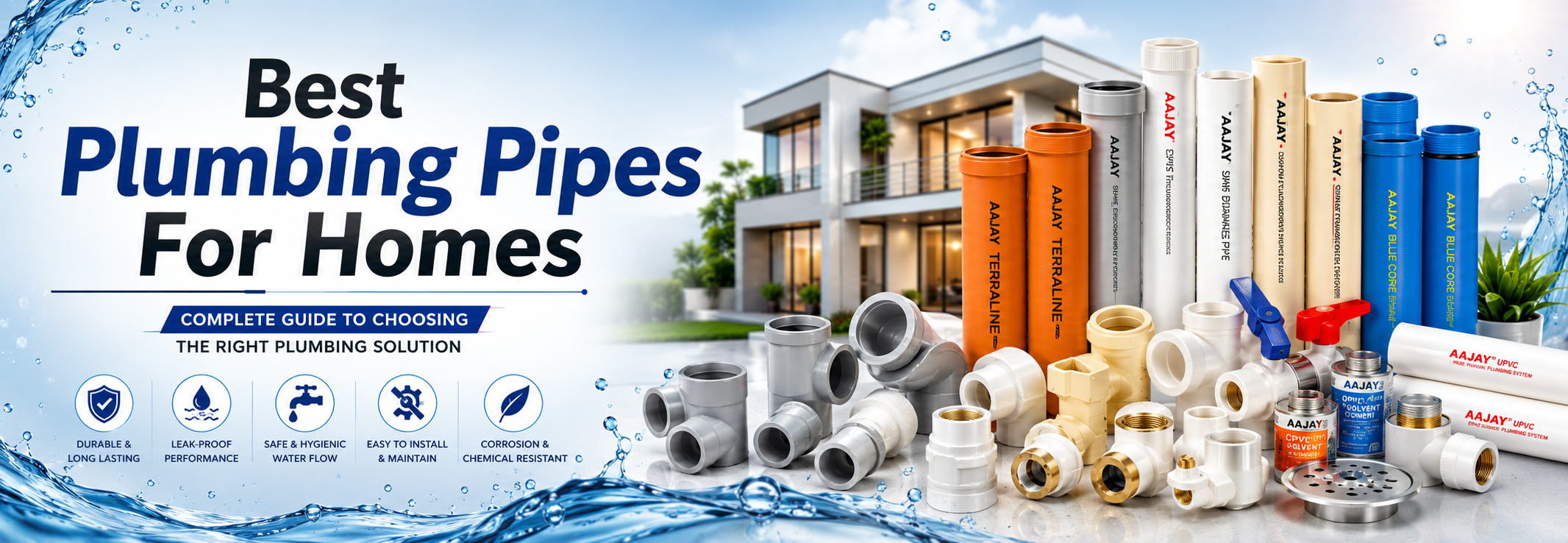
Best Plumbing Pipes For Homes: A Complete Guide to Choosing the Right Solution
Introduction
Selecting the best plumbing pipes for homes is one of the most important decisions when building or renovating a house. The plumbing system carries clean water to kitchens, bathrooms, and utility areas while safely removing wastewater. Choosing high-quality pipes helps prevent leaks, reduces maintenance costs, and ensures long-term reliability.
With multiple materials available in the market, homeowners often find it difficult to identify the ideal option for their needs. Factors such as water quality, climate, pressure requirements, installation costs, and durability all influence the right choice.
This guide explains the different types of residential plumbing pipes, their advantages, and how to select the best option for your property.
Why Choosing the Right Plumbing Pipe Matters
A home’s plumbing network is hidden behind walls and beneath floors, making repairs expensive and disruptive. Investing in quality materials from the beginning offers several benefits:
- Improved water flow and pressure
- Better resistance to corrosion and scaling
- Longer service life
- Lower maintenance expenses
- Reduced risk of leaks and water damage
- Enhanced hygiene and water quality
When selecting home plumbing pipes, homeowners should prioritize durability, safety certifications, and compatibility with their local water conditions.
Types of Plumbing Pipes Used in Homes
1. CPVC Pipes
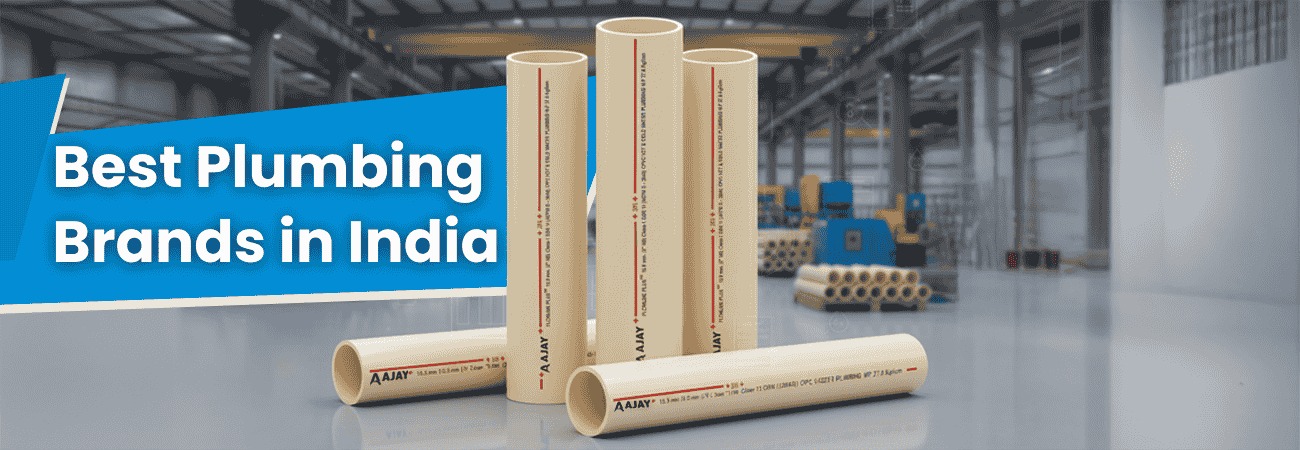
Chlorinated Polyvinyl Chloride (CPVC) pipes are widely used for hot and cold water supply systems in residential buildings.
Advantages:
- Handles high temperatures efficiently
- Resistant to corrosion and chemicals
- Lightweight and easy to install
- Long operational lifespan
- Low maintenance requirements
CPVC pipes are often considered among the best pipes for house plumbing because they perform reliably in modern residential applications.
2. PVC Pipes
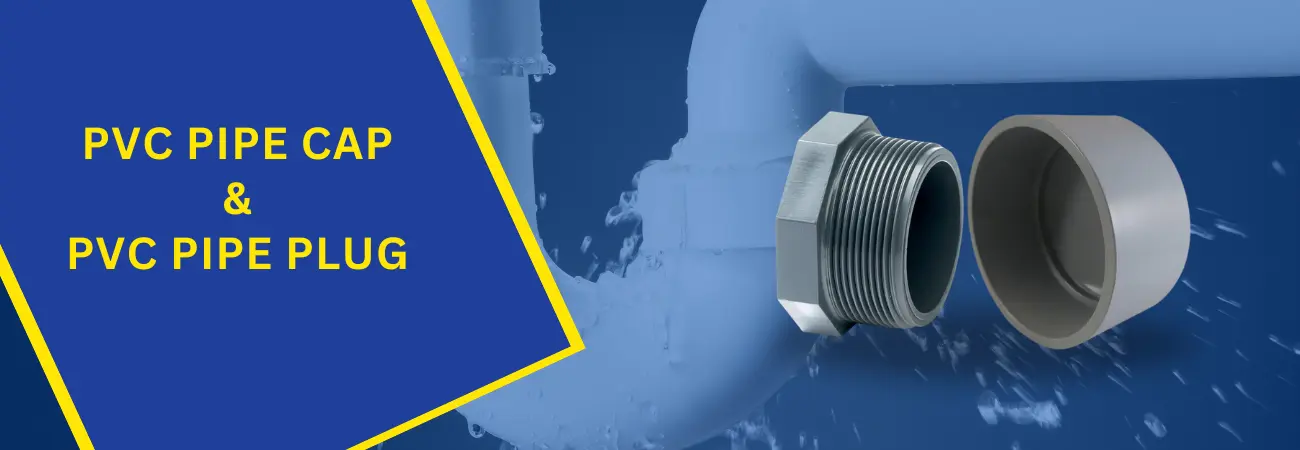
PVC pipes are commonly used for cold water supply, drainage, and waste disposal systems.
Benefits include:
- Affordable installation
- Excellent corrosion resistance
- Smooth inner surface for efficient water flow
- Lightweight construction
- Easy transportation and handling
PVC remains a practical option for many homeowners seeking cost-effective plumbing solutions.
3. UPVC Pipes
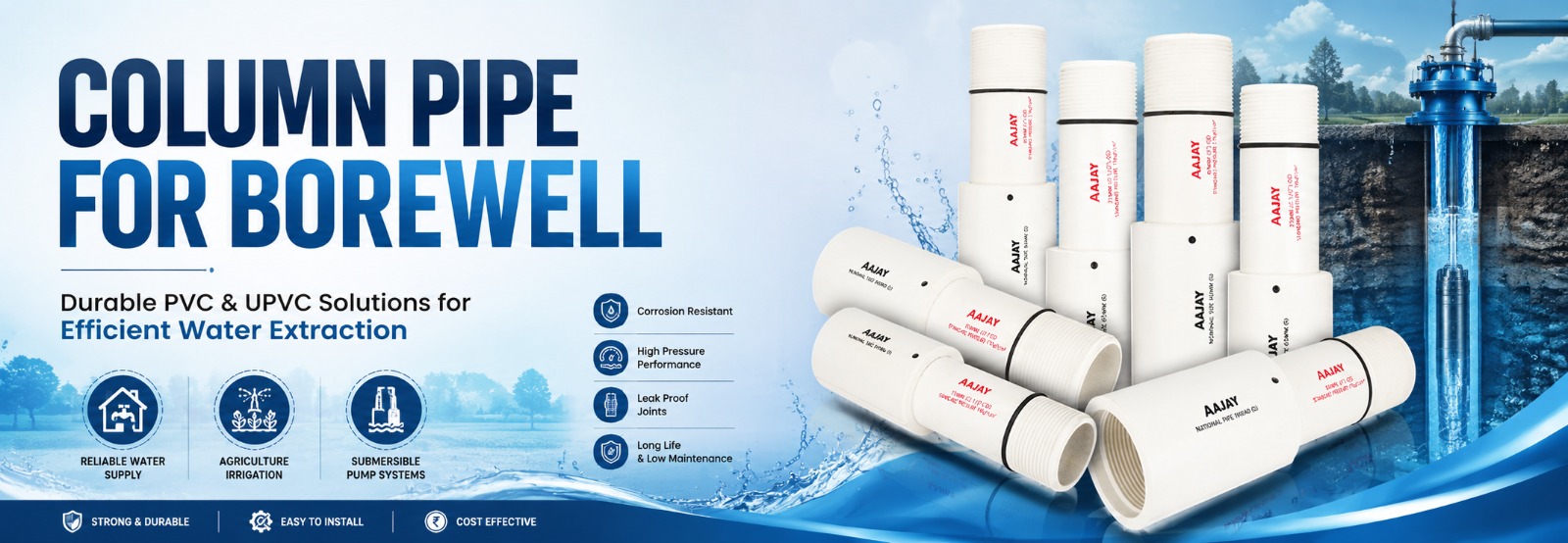
Unplasticized PVC (UPVC) pipes provide additional strength and rigidity compared to standard PVC pipes.
Key advantages include:
- High durability
- Resistance to rust and scaling
- Safe for potable water distribution
- Minimal maintenance
- Good pressure-handling capability
UPVC is frequently selected for domestic water supply lines and overhead tank connections.
4. Copper Pipes
Copper has been used in plumbing systems for decades due to its durability and reliability.
Pros:
- Long lifespan
- Resistance to bacterial growth
- Excellent temperature tolerance
- Recyclable material
However, copper installations generally involve higher material and labor costs than plastic alternatives.
5. PEX Pipes
PEX (cross-linked polyethylene) is increasingly popular in many regions because of its flexibility and ease of installation.
Advantages include:
- Flexible routing around obstacles
- Resistance to freezing damage
- Reduced number of joints
- Faster installation
Availability and regional preferences may vary depending on local building practices.
Factors to Consider Before Buying Plumbing Pipes
Water Temperature
If your home requires both hot and cold water distribution, choose materials designed to withstand elevated temperatures without deforming or degrading.
Water Pressure
High-pressure systems demand pipes capable of maintaining structural integrity over extended periods.
Corrosion Resistance
Rust and corrosion can reduce water quality and shorten pipe life. Modern polymer pipes generally provide excellent corrosion resistance.
Installation Requirements
Lightweight pipes reduce transportation costs and simplify installation, making projects quicker and more economical.
Lifespan
A longer-lasting pipe system minimizes repair frequency and replacement expenses over the years.
Certification and Quality
Always select products that comply with recognized quality standards and are sourced from reputable manufacturers.
Which Is the Best Pipe for House Plumbing in India?
When homeowners ask about the best pipe for house plumbing in India, the answer often depends on the intended application.
For hot and cold water supply, CPVC pipes are widely preferred because they combine temperature resistance with durability and corrosion protection. UPVC pipes perform well for cold water distribution and potable water applications, while PVC pipes remain popular for drainage systems.
Indian homes also benefit from polymer-based plumbing materials because they resist mineral deposits and perform well in varying climatic conditions.
Common Applications of Residential Plumbing Pipes
Different areas of a house require different plumbing solutions:
- Kitchen water supply
- Bathroom pipelines
- Shower installations
- Overhead water tanks
- Underground water distribution
- Garden irrigation connections
- Drainage and waste systems
- Utility room plumbing
- Washing machine connections
- Rainwater management systems
Choosing application-specific materials improves overall performance and longevity.
Signs That Plumbing Pipes Need Replacement
Even durable plumbing systems eventually require upgrades. Watch for these warning signs:
- Frequent leaks
- Rust-colored water
- Reduced water pressure
- Visible cracks or damage
- Unusual pipe noises
- Water stains on walls or ceilings
- Persistent moisture around fittings
- Aging plumbing beyond its expected service life
Early replacement helps prevent extensive property damage and costly emergency repairs.
Maintenance Tips for Home Plumbing Pipes
- Inspect exposed pipes regularly.
- Repair leaks immediately.
- Avoid excessive water pressure.
- Prevent blockages by disposing of waste correctly.
- Use compatible fittings and accessories.
- Schedule periodic professional inspections.
- Protect outdoor pipes from environmental exposure.
- Avoid using harsh chemicals that may damage plumbing components.
These simple practices can significantly improve the performance of home plumbing pipes.
Benefits of Modern Plastic Plumbing Pipes
Many homeowners now prefer advanced polymer pipes because they offer several practical advantages:
- Lightweight design
- Easy installation
- Corrosion resistance
- Smooth internal surfaces for efficient flow
- Lower maintenance needs
- Excellent durability
- Long service life
- Cost-effective ownership
These characteristics make them suitable for both new construction and renovation projects.
How to Choose the Best Pipes for House Plumbing
Before making a purchase, evaluate the following checklist:
- Confirm the pipe’s intended application.
- Check pressure and temperature ratings.
- Verify compliance with quality standards.
- Compare durability and maintenance requirements.
- Choose trusted manufacturers with proven reliability.
- Ensure compatibility with existing plumbing systems.
- Consult qualified plumbing professionals when necessary.
Following these steps helps homeowners select the best pipes for house plumbing while avoiding future repair costs.
Conclusion
Finding the best plumbing pipes for homes involves balancing durability, safety, performance, and long-term value. Modern CPVC, UPVC, and PVC solutions have transformed residential plumbing by providing corrosion-resistant, lightweight, and reliable alternatives for various applications.
Whether you’re constructing a new house or upgrading an existing plumbing network, investing in high-quality materials can improve water efficiency, reduce maintenance, and increase the lifespan of your entire system. By carefully evaluating your requirements and choosing the right products, you can build a plumbing infrastructure that serves your household efficiently for many years.
FAQ:-
1. What are the best plumbing pipes for homes?
CPVC pipes are widely regarded as one of the best choices for residential water supply due to their durability, heat resistance, and corrosion-free performance. The ideal option depends on the specific application and local requirements.
2. Which material is commonly used for home plumbing pipes?
CPVC, UPVC, PVC, copper, and PEX are among the most commonly used materials. Each offers different advantages based on water temperature, pressure, and installation needs.
3. What is the best pipe for house plumbing in India?
For many residential water supply systems, CPVC is considered the best pipe for house plumbing in India because it handles both hot and cold water efficiently and provides long-lasting performance.
4. How long do quality plumbing pipes typically last?
The lifespan varies by material, installation quality, and operating conditions, but properly installed modern plumbing pipes can provide reliable service for several decades.
5. How can homeowners choose the best pipes for house plumbing?
Homeowners should consider temperature resistance, pressure ratings, durability, certifications, installation requirements, and the reputation of the manufacturer before making a decision.
For any queries, contact the plumbing experts at Ajay pipes on the Toll Free No. : 1800-11-4050 or via email at our email address info@ajaypipes.com