

PVC vs UPVC vs CPVC what kind of pvc pipes would suit your requirements

To understand the usages of CPVC or UPVC pipes, we must consider a few key factors about their requirements and composition. First, we need to determine whether we’re using the pipe for domestic or industrial purposes. Almost all kinds of pipes work efficiently for domestic purposes, even if not for a long time. However, we must exercise more caution when the requirements involve industrial purposes.
Domestic purposes cover residences, commercial complexes, or housing societies that need plumbing and drainage in everyday life. In most cases, domestic requirements don’t focus much on pipe material composition, but rather on price and effectiveness. Industrial needs work differently — the pipe material’s composition plays a crucial role in the whole system. This focus on composition, combined with modern technology and evolving needs, led manufacturers to produce various types of pipes.
PVC Pipes
From a simple standpoint, we can adjust composition requirements for domestic purposes. This means all kinds of PVC-made pipes suit domestic purposes, though the same doesn’t hold true for industrial purposes. For domestic requirements, plumbing forms the part of the system we need to understand first. Plumbing remains the most intertwined and perhaps most inexpensive system in our home, so it deserves some attention for how this complex system works and simplifies everyday life.
The whole plumbing system in our home works like a maze, where pipes form the inlets and outlets for water and any form of liquid or waste. This kind of system requires not only inlets and outlets but also ventilating channels and drainage assembly. A sensible plumbing system in our home or society also reduces costs, since the kitchen, bathroom, and laundry all connect through the need for either water usage or discharge.
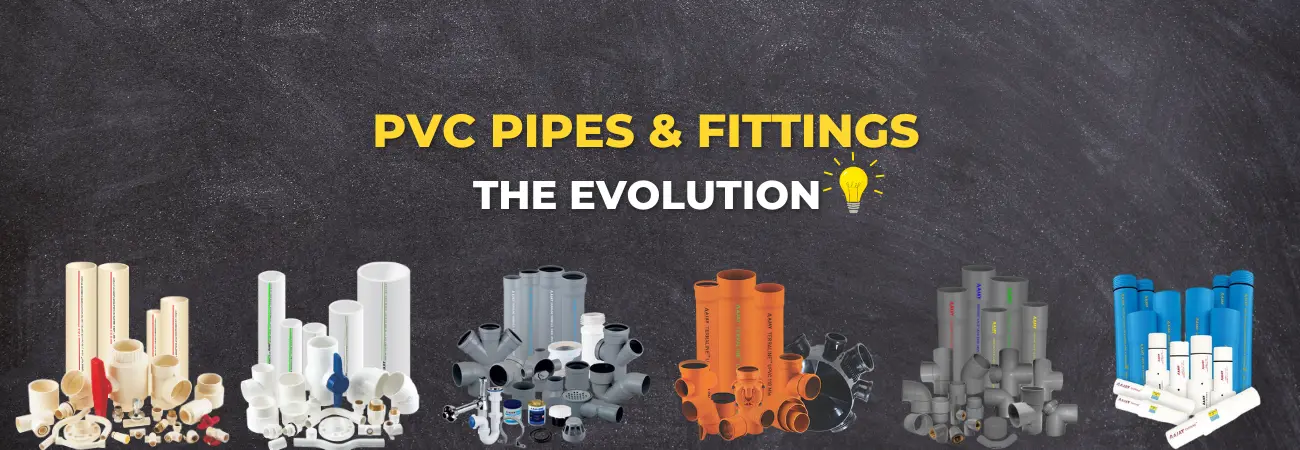
To get better value for money, we should also learn about the types of PVC pipes that can raise the standard of the whole plumbing network at home. Many forms of PVC pipes and fittings exist, including CPVC and UPVC. Many buyers want to know the difference between CPVC and UPVC, which comes down to composition.
Introduction of CPVC Pipes and Fittings in the Market
PVC stands for Polyvinyl Chloride, the most commonly used material for manufacturing pipes, while CPVC stands for Chlorinated Polyvinyl Chloride. So we might ask how that extra word “Chlorinated” differentiates CPVC from PVC, the most widely produced synthetic polymer.
What Makes CPVC Different
Manufacturers make CPVC with added chlorine. This chlorine increases the rigidity and temperature-bearing ability of the PVC composition and toughens the material for more strength. This extra potential increased CPVC’s use around the world. Today, plumbing networks commonly use CPVC pipes for both hot and cold water, in both domestic and industrial settings.
Chlorinated Polyvinyl Chloride Pipe, abbreviated as CPVC pipe, offers a solid, strong, robust, and rigid piping solution that plumbing applications use all around the globe. CPVC pipes suit domestic purposes perfectly, supporting our housing plumbing systems, and installers can use them for both internal and external applications around the house.
CPVC Applications and Safety
Usually, the best CPVC pipes work for both hot and cold water applications. CPVC pipes and their fittings resist various forms of chemicals well. Repeated tests on CPVC’s composition have confirmed that this kind of pipe releases no chemical discharge or adulteration that might poison the water.
As a result, many consider CPVC pipe the safest way to deliver clean, unadulterated water to families across the world. This also sets CPVC pipes and fittings apart from iron, which usually rusts and doesn’t offer the same safety for drinking water and other domestic purposes.
People also use CPVC pipes and fittings for drinking water, water treatment, pools, and industrial applications. Since manufacturers make CPVC from eco-friendly compounds, it also guarantees no bacteria or fungi development, unlike pipes made from other materials.
CPVC Durability and UV Protection
The best CPVC pipes offer numerous advantages that many other makers can’t match, since top quality comes with UV stabilization, which guarantees protection against higher pressure, weight, and temperature. This UV stabilization significantly protects CPVC when it stays exposed to sunlight for long periods. No other pipe and fittings matches CPVC’s long life in this category.
A Quick Analysis on Usages of CPVC and UPVC Pipes and Fittings
Let’s look at how to identify our requirements based on the usages of both varieties of PVC. Knowing the difference between CPVC and UPVC proves crucial for determining their correct usage. As discussed earlier, CPVC stands for Chlorinated Polyvinyl Chloride, while UPVC stands for Unplasticized Polyvinyl Chloride.
Both CPVC and UPVC pipes and fittings carry the meaning of PVC, since both are in fact PVC material — one gets chlorinated with added chlorine, while the other contains no plasticizer. The two points below offer more information on CPVC vs UPVC:
- CPVC (Chlorinated Polyvinyl Chloride) pipes form a thermoplastic compound that manufacturers make by chlorinating polyvinyl chloride (PVC) gum, which makes them more adaptable and able to withstand higher temperatures than standard PVC pipes. CPVC pipes handle both cold and hot water and also work for industrial and agricultural purposes.
- UPVC pipes offer remarkable solidity, hardness, and cost-effectiveness, and installers frequently use them for cold water piping, sewage lines, and outdoor drainage pipes.
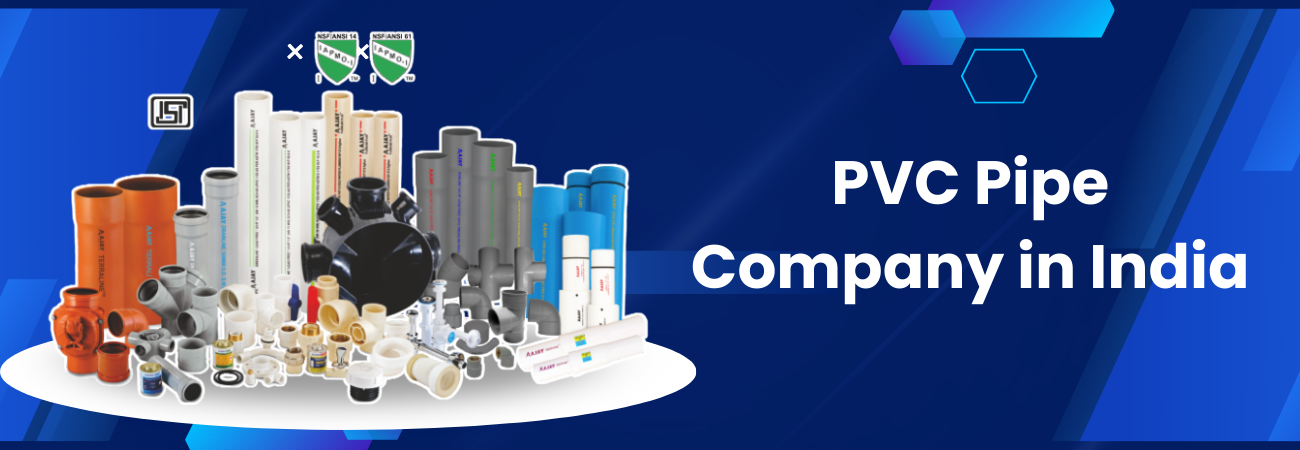
Don’t worry about your domestic and industrial plumbing, drainage, and agricultural systems — Ajay Pipes is bridging and revolutionizing the industry with its offering of PVC, CPVC, and UPVC pipes and fittings. With over 50 years of experience, Ajay Pipes has become a household name in the plumbing, drainage, and irrigation sector. Give us a call to learn about installing top-notch CPVC and UPVC pipes and fittings for your industrial and building needs.





One Comment