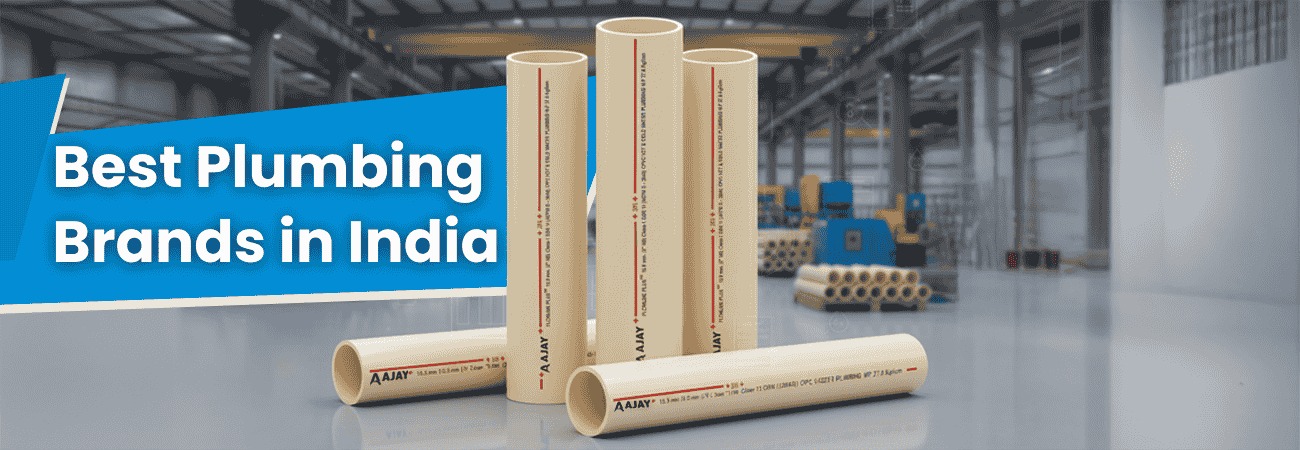
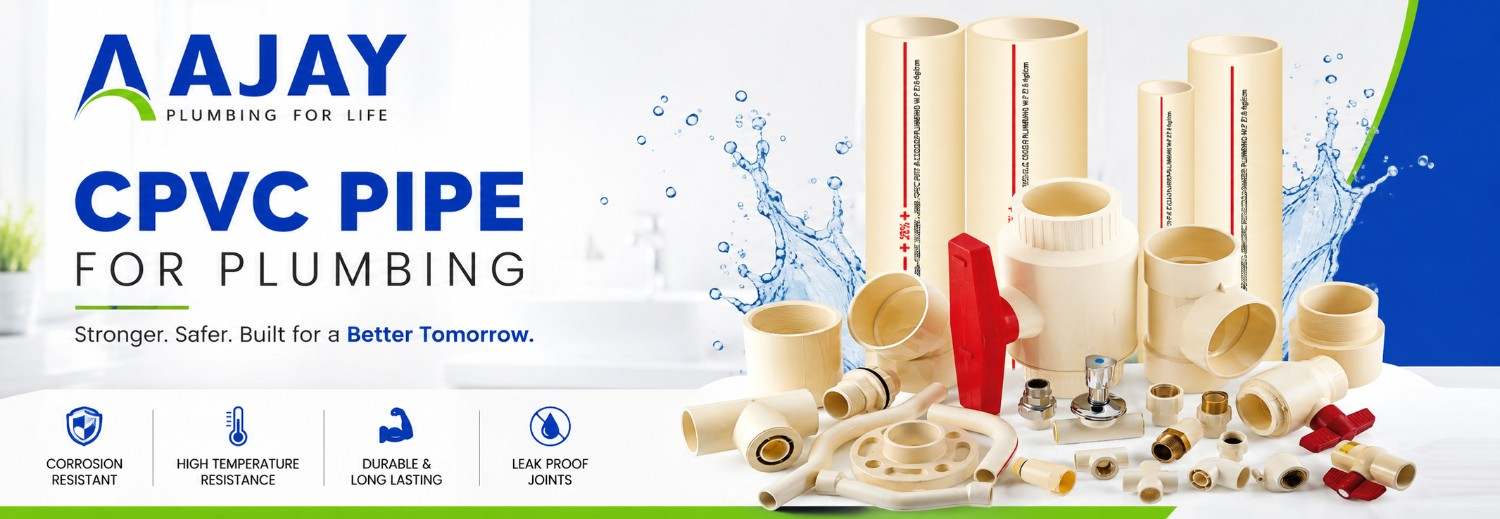
What Is the Best CPVC Pipe for Plumbing? A Complete Buying Guide
Introduction
If you’ve ever stood in a hardware store staring at rows of pipes, wondering which one will actually last inside your walls for the next twenty years, you’re not alone. Choosing the right CPVC pipe for plumbing is one of those decisions that feels small until something goes wrong, and then it feels like the only decision that mattered.
CPVC, or Chlorinated Polyvinyl Chloride, has quietly become the go-to material for both residential and commercial water lines across India and beyond. It’s not flashy, and it doesn’t come with a marketing budget like some copper alternatives. But ask any plumber who’s been in the trade for a decade, and they’ll tell you the same thing: CPVC just works.
This guide breaks down everything you need to know before buying plumbing CPVC pipe: what it is, why it’s trusted, how to pick the right one, and where the industry is headed in 2026.
Quick answer: The best CPVC pipe for plumbing comes down to four things: virgin (not reprocessed) CPVC resin, a wall thickness and pressure rating matched to your system (SDR-11, SDR-13.5, Schedule 40, or Schedule 80), third-party certification (ISI, ASTM D2846, or NSF), and fittings from the same trusted manufacturer as the pipe. For most homes in India, CPVC remains the most balanced choice between cost, heat tolerance, and lifespan.
Why CPVC Became the Standard for Modern Plumbing
Before CPVC, most homes relied on galvanized iron or copper piping. Both worked, but both came with baggage. Iron pipes rust from the inside out, slowly narrowing water flow and contaminating water quality. Copper, meanwhile, is reliable but expensive, and rising metal prices have made it a tough sell for large projects.
CPVC solved both problems at once. Because it’s a plastic-based pipe, it won’t corrode, rust, or scale the way metal pipes do. It’s also significantly cheaper to manufacture and install, which matters whether you’re plumbing a single bathroom or an entire apartment complex.
However, the real reason CPVC pipe for plumbing earned its reputation is heat tolerance. Regular PVC softens and can fail under hot water, which rules it out for most home plumbing systems that carry both hot and cold lines. Manufacturers chemically modify CPVC to handle continuous exposure to hot water, typically rating it for temperatures up to 93°C (200°F) without losing structural integrity. That single property is why CPVC dominates hot and cold water distribution systems today.
What Makes a CPVC Pipe “Best in Class”?
Not all CPVC pipe performs equally, and this is where a lot of buyers get tripped up. Two pipes can look identical on a shelf and perform completely differently over ten years. Here’s what actually separates the best CPVC pipe for plumbing from the rest:
Material and Build Quality
Raw material purity. CPVC compound quality varies by manufacturer. Pipes made with poorly compounded resin tend to become brittle faster, especially under UV exposure or fluctuating water pressure. Reputable brands use virgin, high-grade CPVC resin rather than reprocessed material.
Wall thickness and pressure rating. Manufacturers typically classify pipes by schedule (like SDR-11, SDR-13.5) or by pressure class. A thin-walled pipe might be cheaper upfront, but it’s more prone to cracking under pressure spikes, water hammer, or minor impact during installation.
| CPVC Schedule/Class | Typical Pressure Rating | Common Use Case |
|---|---|---|
| SDR-11 | 400 psi | High-pressure residential & commercial supply lines |
| SDR-13.5 | 315 psi | Standard residential hot & cold water lines |
| Schedule 40 | 100–780 psi (size-dependent) | General plumbing, moderate pressure systems |
| Schedule 80 | Higher than Schedule 40 (thicker wall) | Industrial or high-stress applications |
Certification and testing. Look for ISI markings, ASTM D2846 compliance, or NSF certification depending on your region. These aren’t just stickers; they represent third-party verification that labs have actually tested the pipe for burst pressure, chemical resistance, and thermal cycling.
Fittings and Environmental Resistance
Fitting compatibility. A pipe is only as good as its joints. Mismatched fittings, even from the same “CPVC family,” can lead to leaks at solvent-welded joints. Sticking with one trusted manufacturer for both pipes and fittings reduces this risk considerably.
UV and chemical resistance. If sunlight reaches any part of your plumbing run, say, an overhead tank connection or an exterior wall, UV-stabilized CPVC prevents the material from degrading prematurely.
CPVC vs. Other Piping Materials: A Quick Reality Check
It’s worth addressing the comparison question directly, since it comes up in nearly every plumbing decision.
CPVC wins against PVC on hot water applications hands down, since PVC simply can’t handle continuous hot water exposure. It wins against copper on cost and installation speed, though copper still has an edge in extreme high-heat industrial settings. The comparison against PPR (polypropylene random copolymer) is closer; PPR uses heat-fusion joints while CPVC uses solvent cement, and the “better” choice often comes down to installer familiarity and regional availability rather than a clear technical winner.
| Feature | CPVC Pipe | PVC Pipe | Copper Pipe | PPR Pipe |
|---|---|---|---|---|
| Hot water rating | Up to ~93°C (200°F) | Not rated for hot water | Handles very high heat | Up to ~95°C (203°F) |
| Corrosion/rust resistance | Excellent | Excellent | Prone to corrosion over time | Excellent |
| Installation method | Solvent cement weld | Solvent cement weld | Soldering/threading | Heat fusion |
| Relative material cost | Low–Moderate | Low | High | Moderate |
| Typical lifespan | 50+ years | 25–40 years | 20–50 years (varies with water) | 50+ years |
| Best suited for | Residential & commercial hot/cold lines | Cold water, drainage, waste lines | High-heat industrial, legacy systems | Hot/cold lines, similar to CPVC |
For most residential and mid-scale commercial plumbing in India’s climate and water conditions, CPVC plumbing pipe remains the most balanced choice: durable, affordable, and easy to source.
Installation Considerations That Actually Matter
A quality pipe installed poorly will still fail. A few things worth knowing:
Installers join CPVC pipes using a solvent cement process, not heat or threading. This creates a chemical weld between pipe and fitting, which is actually stronger than the pipe itself when done correctly. The catch is that installers must do it correctly — proper cutting, deburring, priming, and cement application within the working time window all matter.
Support spacing also matters more with CPVC than with metal pipe, since plastic has more thermal expansion. As a result, horizontal runs typically need supports every 3 to 4 feet to prevent sagging over time, especially on hot water lines.
Finally, always pressure-test a new installation before closing up walls. It’s a small step that catches the vast majority of installation errors before they become expensive repairs.
Where Is the CPVC Pipe Industry Heading in 2026?
The plumbing pipe industry has been shifting toward stricter quality benchmarks, partly because of tighter building codes and partly because of consumer demand for longer warranty periods. Manufacturers are increasingly publishing batch-level testing data, and buyers, especially contractors managing multiple projects, are starting to treat that transparency as a baseline requirement rather than a bonus.
There’s also growing attention to sustainability in manufacturing, with some producers reducing plasticizer content and improving the recyclability of CPVC compounds without compromising pressure performance. If you’re buying pipe for a long-term project, it’s worth asking suppliers directly about their testing certifications and batch traceability rather than relying on packaging claims alone.
Conclusion
At the end of the day, picking plumbing CPVC pipe isn’t about finding the cheapest option on the shelf. It’s about finding a pipe and fitting system that manufacturers have consistently tested, properly certified, and matched to your specific water pressure and temperature needs. Whether you’re a homeowner redoing a single bathroom or a contractor sourcing for a multi-unit building, the pipe you choose today is the plumbing system you’ll be living with for the next two to three decades.
If you’re evaluating suppliers for your next project, Ajay Pipes manufactures ISI-certified CPVC pipes and fittings built for exactly this kind of long-term reliability, tested for pressure, heat resistance, and joint integrity before they ever leave the factory. Reach out to the team at Ajay Pipes to get the right pipe specification for your project, request product certifications, or get a quote tailored to your plumbing requirements.
FAQs
1. What is the lifespan of a CPVC pipe used in plumbing?
When installed correctly and kept within its rated temperature and pressure limits, CPVC pipe typically lasts 50 years or more, making it one of the more durable options for residential and commercial plumbing.
2. Is CPVC pipe safe for drinking water?
Yes. CPVC pipes certified to NSF/ANSI standards are approved for potable water use and do not leach harmful chemicals into water under normal usage conditions.
3. Can CPVC pipe handle both hot and cold water lines?
Yes, this is one of its main advantages over standard PVC. CPVC is rated for continuous hot water exposure up to around 93°C (200°F), making it suitable for both hot and cold distribution lines in a single system.
4. How is CPVC pipe joined during installation?
CPVC pipe and fittings are joined using a solvent cement process that chemically fuses the two surfaces together, rather than heat fusion or threading used in some other pipe materials.
5. What is the price difference between CPVC pipe and copper pipe?
CPVC pipe is generally 30–50% less expensive than copper pipe of comparable size and rating, both in material cost and installation labor, since it requires no soldering or specialized tools.
For any queries, contact the plumbing experts at Ajay pipes on the Toll Free No. : 1800-11-4050 or via email at our email address info@ajaypipes.com