PVC Pipe for Water Supply: A Complete Guide for Safe & Reliable Plumbing
Introduction
Clean and uninterrupted water supply is the backbone of every home, building, and infrastructure project. Choosing the right piping system plays a crucial role in maintaining water quality, pressure, and long-term durability. Among the various piping options available today, PVC pipe for water supply has emerged as one of the most trusted and widely used solutions.
PVC pipes are known for their strength, affordability, and resistance to corrosion, making them ideal for residential, commercial, and agricultural water distribution. In this detailed guide, we will explore everything you need to know about water supply PVC pipe, its benefits, applications, installation tips, and why it is the preferred choice for modern plumbing systems.
What Is a PVC Pipe for Water Supply?
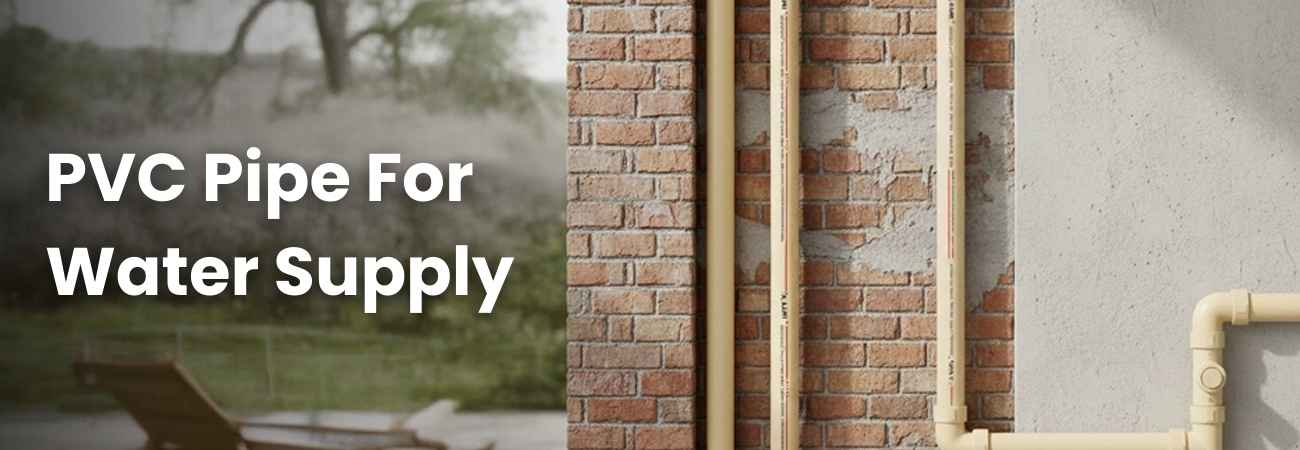
PVC (Polyvinyl Chloride) pipes are rigid plastic pipes designed to transport water efficiently and safely. A PVC pipe for water supply is specially manufactured to handle potable water under pressure without reacting chemically with it.
Unlike traditional metal pipes, PVC does not rust, corrode, or develop scale over time. This ensures a consistent flow of clean water while significantly reducing maintenance costs.
Why PVC Pipes Are Ideal for Water Supply Systems
1. Corrosion-Free Performance
One of the biggest advantages of PVC plumbing pipes is their excellent resistance to corrosion. Unlike metal pipes that rust due to continuous exposure to water, PVC pipes remain unaffected even in humid, coastal, or saline environments.
2. Safe for Drinking Water
High-quality water supply PVC pipe systems are non-toxic and help preserve the taste, odor, and color of drinking water. They are manufactured to meet potable water safety standards, making them suitable for residential and commercial applications.
3. Long Service Life
PVC pipes offer an impressive lifespan of more than 50 years when installed correctly. Their resistance to chemicals, soil conditions, and pressure makes them a reliable long-term investment.
4. Lightweight and Easy Installation
Compared to metal or concrete piping systems, PVC pipes are lightweight, making transportation, handling, and installation much easier. This reduces labor costs and shortens project completion time.
5. Cost-Effective Solution
From purchasing and installation to maintenance, PVC pipes provide exceptional value for money. Their durability minimizes repair costs while delivering reliable performance for decades.
Applications of PVC Pipe for Water Supply
PVC pipes are widely used across multiple sectors because of their versatility.
- Residential water supply systems
- Commercial buildings and offices
- Municipal water distribution networks
- Agricultural irrigation systems
- Underground water pipelines
- Overhead water supply lines
- Industrial water transportation
Their adaptability makes water supply pipes made from PVC the preferred choice for a variety of applications.
Types of Water Supply PVC Pipe
Different water supply requirements demand different types of PVC pipes.
Rigid PVC Pipes
Rigid PVC pipes are commonly used for cold water supply. They offer excellent strength and are suitable for high-pressure plumbing applications.
Pressure-Rated PVC Pipes
These pipes are manufactured to withstand specific pressure ratings and are widely used in municipal water supply projects and industrial installations.
Underground PVC Water Pipes
Designed with enhanced structural strength, underground PVC pipes can withstand soil pressure and external loads, making them ideal for buried water distribution systems.
Selecting the correct pipe type ensures maximum efficiency and long-term performance.
Advantages of PVC Plumbing Pipes Over Traditional Pipes
| Feature | PVC Pipes | Metal Pipes |
|---|---|---|
| Corrosion Resistance | ✔ Yes | ✖ No |
| Maintenance Cost | Low | High |
| Installation | Easy | Complex |
| Lifespan | 50+ Years | Moderate |
| Water Quality | Maintained | May Degrade |
This comparison clearly highlights why PVC plumbing pipes have become the preferred choice for modern water supply systems.
Installation Tips for PVC Pipe for Water Supply
For maximum efficiency and durability, follow these installation best practices:
- Cut pipes cleanly and evenly.
- Use recommended PVC solvent cement and compatible fittings.
- Ensure proper alignment before joining pipes.
- Avoid prolonged exposure to direct sunlight before installation.
- Follow the manufacturer’s pressure rating recommendations.
- Conduct pressure testing after installation.
A properly installed water supply PVC pipe system can deliver leak-free performance for decades.
Environmental Benefits of PVC Water Supply Pipes
PVC pipes also contribute to sustainable infrastructure development.
- Require less energy during manufacturing.
- Fully recyclable at the end of their service life.
- Reduce water loss through leak-resistant joints.
- Long lifespan minimizes replacement frequency.
- Lower transportation emissions due to lightweight construction.
Choosing PVC supports efficient and environmentally responsible water management.
How to Choose the Right PVC Pipe for Water Supply
Before purchasing PVC pipes, consider the following factors:
- Required water pressure
- Pipe diameter and wall thickness
- Indoor, outdoor, or underground installation
- Compliance with ISI and other quality standards
- Manufacturer’s reputation and warranty
- Availability of compatible fittings
Choosing the right pipe ensures reliable performance and long-term durability.
Future of Water Supply Pipes Using PVC
As urbanization continues and infrastructure expands, PVC pipes are expected to play an even greater role in water distribution systems.
Advancements in manufacturing technology are producing stronger, safer, and more sustainable water supply pipe solutions. From smart cities and housing projects to rural water supply schemes, PVC remains a future-ready plumbing material.
Conclusion
Selecting the right PVC pipe for water supply is essential for ensuring clean, safe, and uninterrupted water flow. With benefits such as corrosion resistance, long service life, affordability, lightweight installation, and low maintenance, PVC pipes have become the preferred solution for modern plumbing systems.
Whether you are building a new home, upgrading an existing plumbing network, or planning a large-scale water distribution project, investing in high-quality water supply PVC pipe ensures dependable performance and lasting peace of mind.
FAQ:-
1. Is PVC pipe safe for drinking water supply?
Yes, high-quality PVC pipes are safe for potable water and do not contaminate water when manufactured as per standards.
2. Can PVC plumbing pipes handle high water pressure?
Yes, pressure-rated PVC plumbing pipes are designed to handle varying water pressure efficiently.
3. What is the lifespan of a water supply PVC pipe?
PVC pipes can last 40–50 years or more with proper installation and maintenance.
4. Are PVC pipes suitable for underground water supply?
Absolutely. Specially designed PVC water supply pipes are ideal for underground applications due to their strength and corrosion resistance.
5. How do PVC pipes compare with metal water supply pipes?
PVC pipes are lighter, corrosion-free, easier to install, and more cost-effective than metal pipes.
For any queries, contact the plumbing experts at Ajay pipes on the Toll Free No. : 1800-11-4050 or via email at our email address info@ajaypipes.com