Introduction
Plumbing is one of the most critical systems in any building, yet it often receives attention only after problems arise. Selecting the best pipe for plumbing at the construction stage can save homeowners from frequent leakages, water contamination, pressure loss, and costly repairs. With multiple plumbing pipe materials available in the Indian market such as PVC, CPVC, UPVC, SWR, and Agriline pipes choosing the right option can feel overwhelming.
This blog explains each pipe type in detail, compares PVC vs CPVC pipe, and helps you understand which plumbing pipe material is best suited for different applications in homes and buildings.
Why Pipe Selection Matters in Plumbing Systems
Pipes are hidden behind walls and under floors, but they work 24/7 to deliver clean water and remove waste. A poor-quality or wrong pipe selection can lead to:
- Leakage and seepage inside walls
- Reduced water pressure
- Contaminated drinking water
- Frequent maintenance costs
- Short plumbing system lifespan
That’s why understanding the strengths and limitations of different plumbing pipe materials is essential before making a decision.
Common Types of Plumbing Pipe Materials Used in India
Modern plumbing systems typically use the following pipes:
- PVC Pipes
- CPVC Pipes
- UPVC Pipes
- SWR Pipes
- Agriline Pipes
Each pipe type is designed for specific plumbing conditions, water temperature, pressure, and usage.
PVC Pipes – Economical and Widely Used
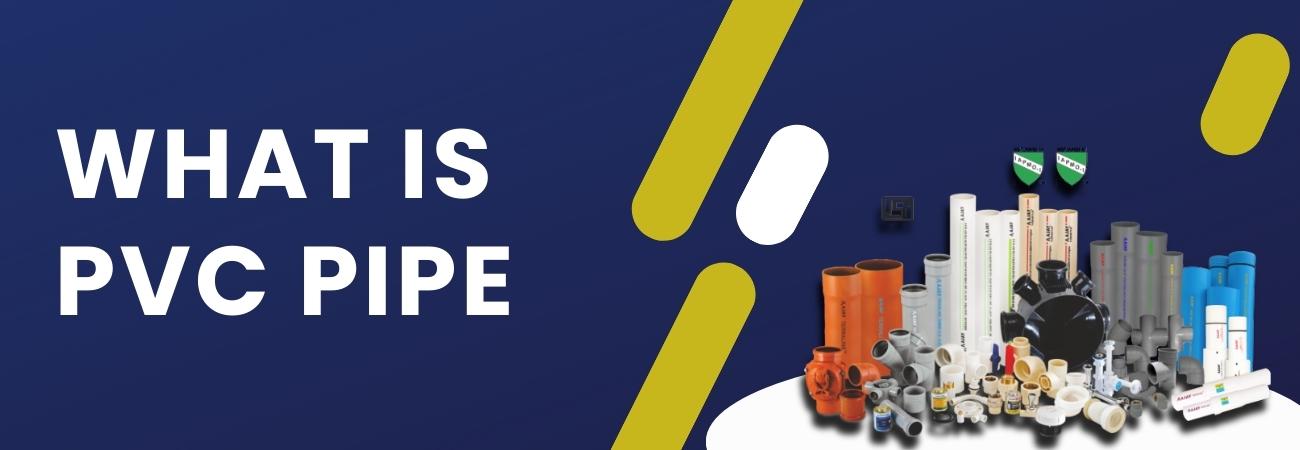
PVC (Polyvinyl Chloride) pipes are one of the most popular choices due to their affordability and easy availability.
Key Advantages of PVC Pipes
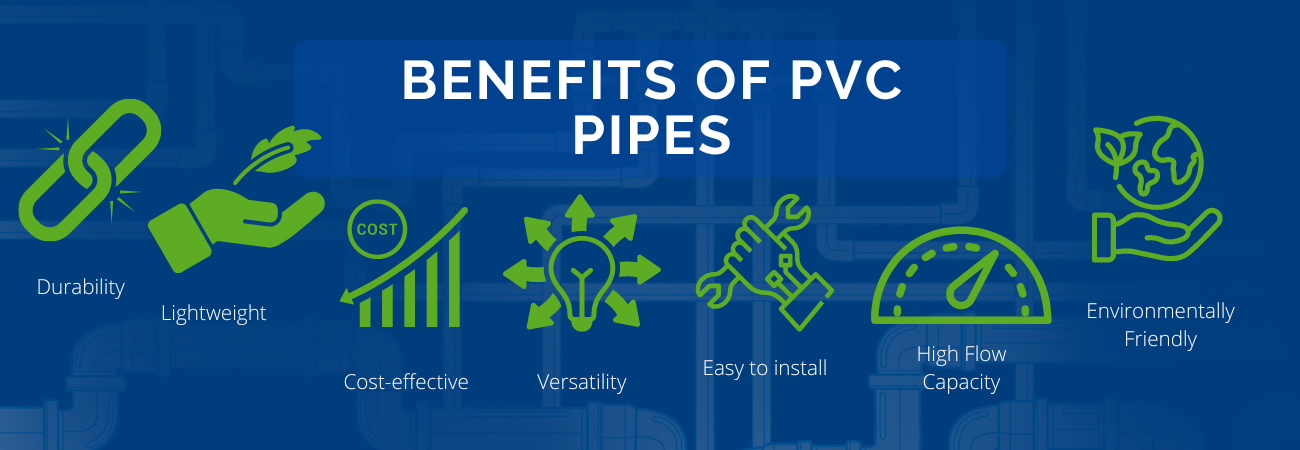
- Lightweight and easy to handle
- Cost-effective solution
- Resistant to corrosion and chemicals
- Smooth inner surface ensures good flow
Ideal Applications
- Cold water supply
- Drainage and waste systems
- Vent and rainwater pipes
Limitations
PVC pipes cannot withstand high temperatures, making them unsuitable for hot water plumbing.
PVC pipes are a practical option when budget is a concern and the application involves only cold water.
CPVC Pipes – The Best Pipe for Plumbing Hot and Cold Water
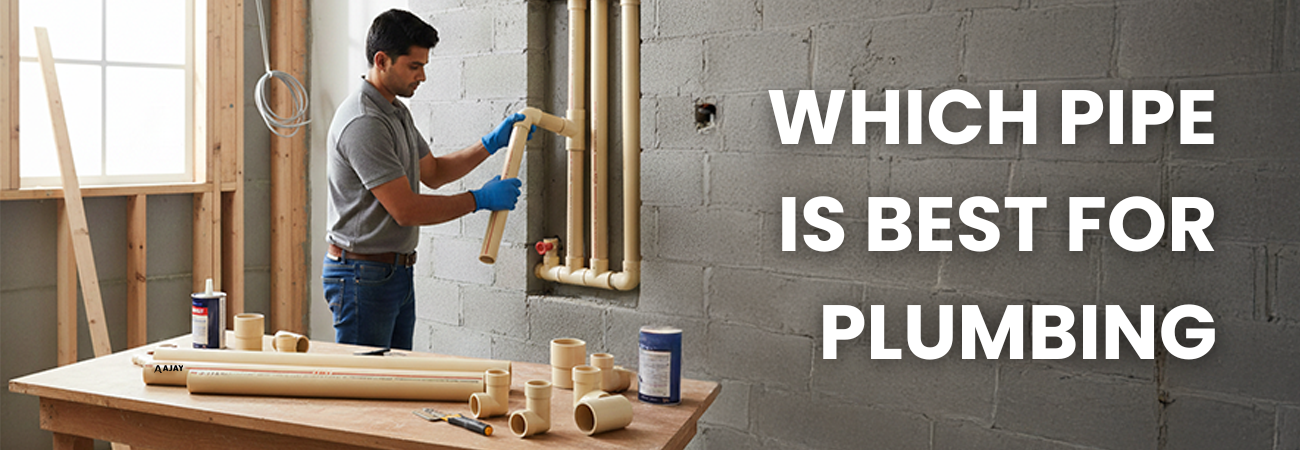
When homeowners ask which pipe is best for plumbing, CPVC pipes are often the top recommendation.
CPVC (Chlorinated Polyvinyl Chloride) pipes are specially treated to handle higher temperatures and pressure.
Benefits of CPVC Pipes
- Suitable for both hot and cold water
- Withstands high temperatures
- Safe for drinking water supply
- Stronger and more durable than PVC
- Long service life
Common Uses
- Residential plumbing systems
- Concealed plumbing
- Commercial buildings
- Hot water lines
PVC vs CPVC Pipe – What’s the Difference?
The key difference lies in temperature resistance. While PVC is limited to cold water, CPVC can handle hot water efficiently, making it a superior plumbing pipe material for modern homes.
If long-term reliability and safety are priorities, CPVC is often considered the best pipe for plumbing.
UPVC Pipes – Strong and Pressure-Resistant
UPVC (Unplasticized Polyvinyl Chloride) pipes are rigid and known for their mechanical strength.
Advantages of UPVC Pipes
- High pressure resistance
- Excellent chemical resistance
- UV-resistant for outdoor use
- Low maintenance and long lifespan
Best Applications
- Cold water supply
- External plumbing lines
- Industrial water distribution
Drawbacks
UPVC pipes are not designed for hot water applications and may deform under high temperatures.
UPVC pipes are ideal when strength and pressure resistance are required without hot water exposure.
SWR Pipes – Designed for Drainage and Waste Disposal
SWR (Soil, Waste, and Rainwater) pipes play a crucial role in plumbing systems, even though they are not used for water supply.
Key Features of SWR Pipes
- Smooth inner walls prevent choking
- Leak-proof jointing system
- Resistant to chemicals and corrosion
- Available in low-noise variants
Uses of SWR Pipes
- Soil discharge from toilets
- Wastewater from kitchens and bathrooms
- Rainwater drainage
SWR pipes are essential for hygienic and efficient waste management in buildings.
Agriline Pipes – Best for Agriculture and Outdoor Plumbing
Agriline pipes are mainly developed for agricultural and irrigation use but are sometimes used in external plumbing applications.
Advantages of Agriline Pipes
- High resistance to sunlight and weather
- Suitable for underground installation
- Durable for long-distance water transport
Ideal Applications
- Agricultural irrigation
- Borewell connections
- Garden and outdoor water supply
Not Recommended For
- Internal home plumbing
- Hot water supply
Agriline pipes are reliable for farms and outdoor areas but not suitable for indoor plumbing.
Which Pipe Is Best for Plumbing? Final Comparison
Choosing the best plumbing pipe material depends on usage:
- Hot & Cold Water Supply: CPVC Pipes
- Cold Water Plumbing: PVC or UPVC Pipes
- Drainage & Waste Lines: SWR Pipes
- Agriculture & Outdoor Use: Agriline Pipes
For most residential buildings, CPVC pipes offer the best balance of safety, durability, and performance.
Tips to Choose the Right Plumbing Pipe Material
- Check temperature and pressure requirements
- Use ISI-certified products
- Select CPVC for concealed plumbing
- Use SWR pipes with correct slope for drainage
- Buy from trusted PVC pipe manufacturers and PVC pipe suppliers
Making the right choice at the beginning ensures long-term plumbing efficiency.
Conclusion
Understanding which pipe is best for plumbing helps homeowners and builders create a durable, leak-free plumbing system. While PVC, UPVC, SWR, and Agriline pipes each have specific roles, CPVC pipes stand out as the most versatile plumbing pipe material for modern homes, especially where hot water supply is required.
Choosing the right pipe today means fewer problems, lower maintenance costs, and peace of mind for years to come.
FAQ:-
1. What makes CPVC plumbing pipes better than traditional pipes?
CPVC plumbing pipes offer superior heat resistance, corrosion-free performance, longer lifespan, and safer water delivery compared to metal and conventional plastic pipes.
2. Are CPVC water pipes suitable for hot water applications?
Yes, CPVC water pipes are specifically designed to handle high temperatures, making them ideal for hot water supply lines.
3. How important are CPVC pipe fittings in a plumbing system?
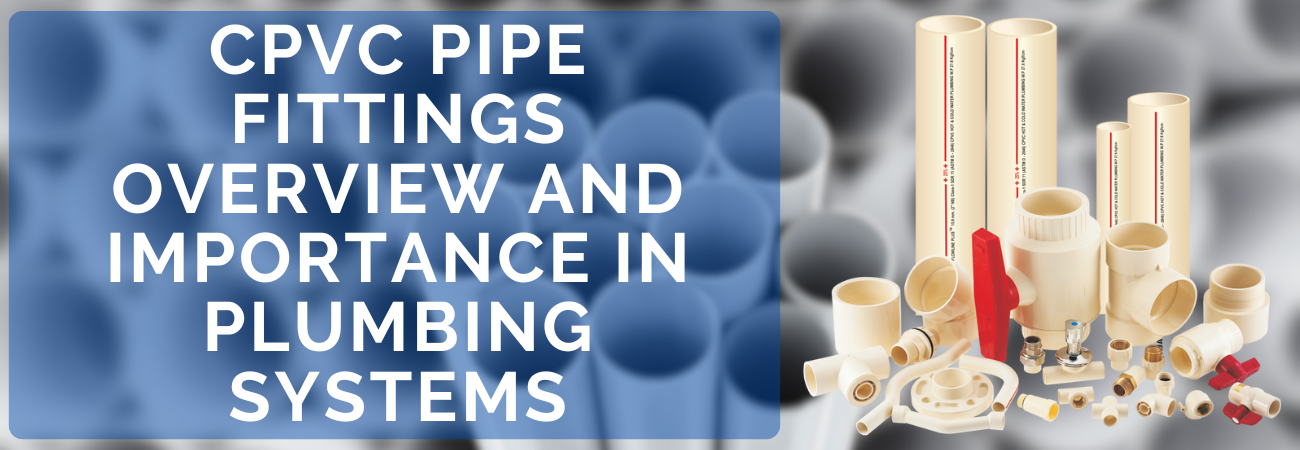
CPVC pipe fittings are crucial for creating leak-proof joints and ensuring the overall strength and durability of the plumbing system.
4. Can CPVC pipes be used for drinking water?
Absolutely. CPVC pipes are non-toxic and safe for potable water applications when manufactured by a certified CPVC pipe company.
5. What should I look for when choosing a CPVC pipe company?
Look for quality certifications, product range, manufacturing standards, technical support, and a strong market reputation.
For any queries, contact the plumbing experts at Ajay pipes on the Toll Free No. : 1800-11-4050 or via email at our email address info@ajaypipes.com