Introduction
A reliable water supply pipe is the backbone of any plumbing system, whether in a residential home, commercial building, or infrastructure project. From delivering clean drinking water to ensuring consistent pressure across taps, the quality of water supply pipes directly affects health, safety, and long-term maintenance costs.
Modern water supply pipes are stronger, durable, and easier to install than traditional metal pipes. However, choosing the right pipes for water supply requires understanding materials, applications, and performance characteristics.
This guide explores everything you need to know about water supply pipes, including types, benefits, selection tips, installation, and maintenance.
What Is a Water Supply Pipe?
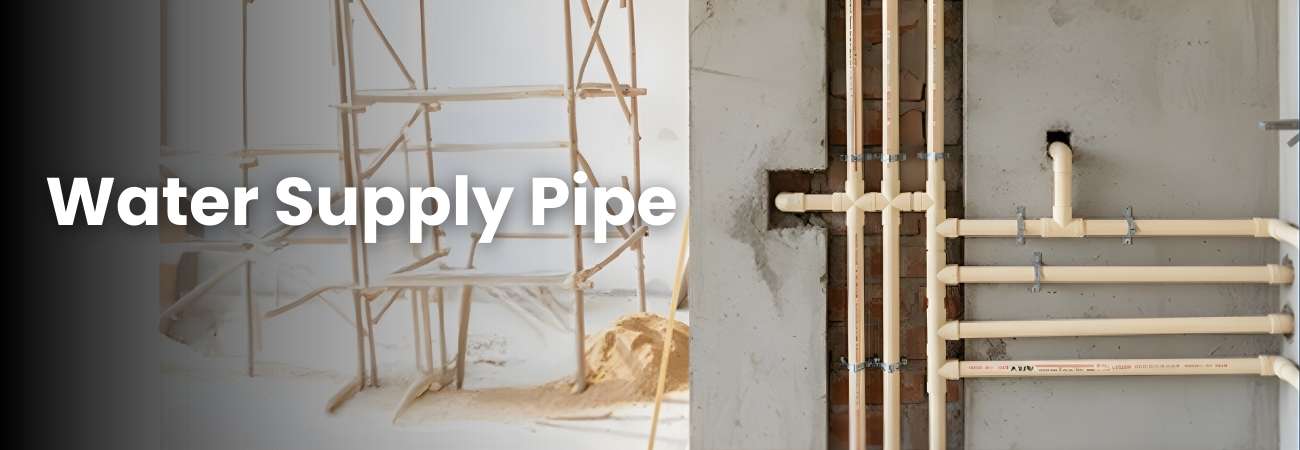
A water supply pipe is a plumbing component that transports potable water from the main source to outlets like taps, showers, storage tanks, and appliances. These pipes must meet strict quality standards to ensure water remains uncontaminated and flows efficiently.
Modern plumbing pipes are designed to handle:
- High water pressure
- Temperature variations
- Chemical resistance
- Long-term durability
Choosing the right water supply pipe ensures uninterrupted water flow and reduces the risk of leaks or failures.
Importance of High-Quality Water Supply Pipes
Using substandard pipes can lead to water leakage, contamination, and costly repairs. High-quality pipes for water supply offer several advantages:
1. Safe Drinking Water
Certified water supply pipes prevent chemical leaching, keeping water clean and safe for daily use.
2. Long-Term Durability
Modern plumbing pipes resist corrosion, rust, and scaling, extending the lifespan of your system.
3. Consistent Water Pressure
Well-designed water supply pipes maintain uniform pressure across all outlets.
4. Low Maintenance
Quality pipes reduce the chances of frequent repairs and replacements.
Types of Water Supply Pipes Used in Plumbing
1. PVC Water Supply Pipes
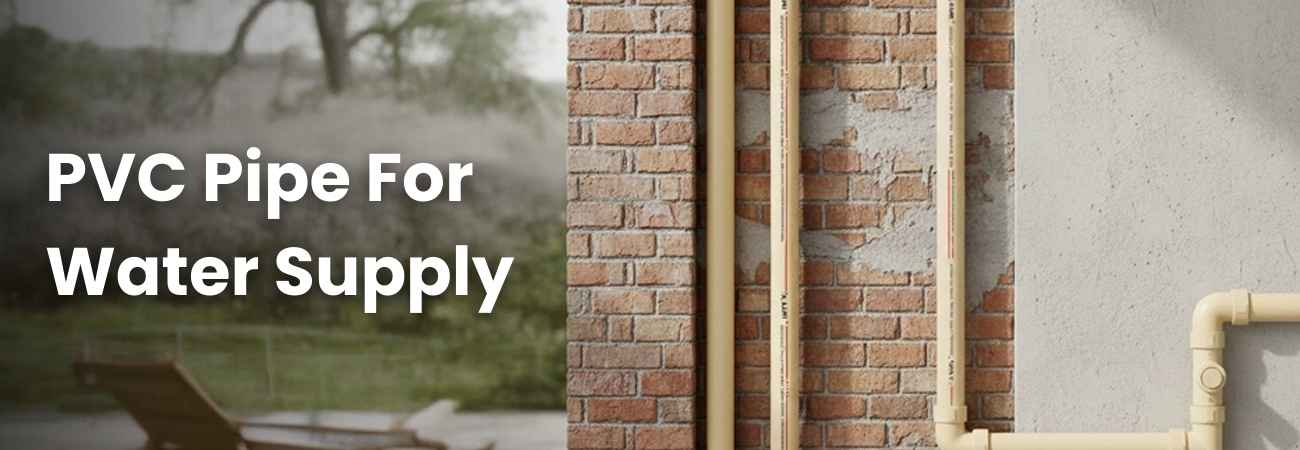
PVC (Polyvinyl Chloride) pipes are lightweight, cost-effective, and widely used for cold water supply lines. They are corrosion-resistant and easy to install, making them popular in residential plumbing.Key benefits:- Affordable and lightweight
- Corrosion-resistant
- Suitable for cold water supply
- Long-lasting
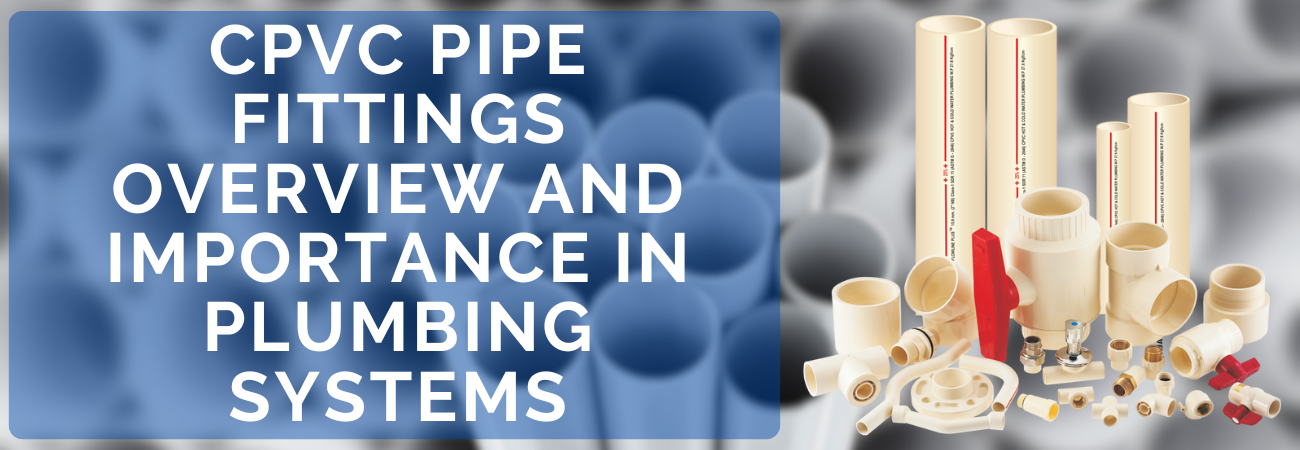
2. CPVC Plumbing Pipes
CPVC (Chlorinated Polyvinyl Chloride) pipes are ideal for both hot and cold water supply. They handle higher temperatures than PVC pipes and are commonly used in modern homes and commercial buildings.Key benefits:- Heat-resistant, ideal for hot water lines
- Durable and corrosion-free
- Easy to install with solvent welding
- Maintains water purity
3. UPVC Water Supply Pipes
UPVC (Unplasticized PVC) pipes are rigid, durable, and suitable for high-pressure water systems. These are commonly used in apartments, offices, and commercial buildings due to their strength and long service life.Key benefits:- High-pressure resistance
- Rigid and durable
- Corrosion and rust-free
- Suitable for concealed plumbing
Key Factors to Consider When Choosing Water Supply Pipes
1. Water Temperature
For hot water lines, choose CPVC pipes. PVC is best suited for cold water supply.2. Water Pressure
High-pressure systems require strong and rigid pipes like UPVC.3. Installation Area
For concealed installations, UPVC and CPVC are ideal due to their durability and heat resistance.4. Water Quality
Pipes should be non-toxic and certified for potable water use.5. Budget and Longevity
While premium pipes may cost more upfront, they offer better durability and lower maintenance over time.Benefits of Modern Plumbing Pipes for Water Supply
Today’s plumbing pipes are engineered to provide superior performance compared to traditional metal pipes:
- Corrosion-free performance
- Leak-proof joints
- Smooth inner surface for better water flow
- Easy and fast installation
- Eco-friendly and recyclable materials
These advantages make modern pipes for water supply a smart investment for homes and commercial buildings.
Applications of Water Supply Pipes
Water supply pipes are used across a wide range of applications:
- Residential homes and apartments
- Commercial buildings and offices
- Hospitals and educational institutions
- Hotels and restaurants
- Public infrastructure
Each application requires specific plumbing pipes based on water pressure, temperature, and usage conditions.
Installation Tips for Water Supply Pipes
Proper installation is as important as choosing the right pipe. Follow these tips for optimal performance:
- Use compatible fittings and connectors
- Avoid sharp bends to maintain water pressure
- Ensure proper joint sealing to prevent leaks
- Follow manufacturer guidelines during installation
- Conduct pressure testing after installation
Professional installation ensures the long-term reliability of your water supply system.
Maintenance and Care of Water Supply Pipes
Although modern water supply pipes require minimal maintenance, regular checks improve their lifespan:
- Inspect joints and fittings periodically
- Check for leaks or pressure drops
- Avoid exposure to extreme heat or direct sunlight
- Clean filters and valves regularly
Preventive maintenance helps avoid major plumbing issues.
Conclusion
Choosing the right water supply pipe is crucial for a safe, efficient, and long-lasting plumbing system. By selecting high-quality PVC, CPVC, or UPVC pipes, you can ensure clean water flow, durability, and minimal maintenance. Investing in reliable pipes for water supply today saves time, money, and hassles in the future.
FAQ:-
1. Which water supply pipe is best for home use?
CPVC and UPVC pipes are ideal for homes due to their durability, safety, and resistance to heat and pressure.
2. Are PVC pipes safe for drinking water?
Yes, certified PVC and CPVC pipes are completely safe for potable water and do not affect taste or quality.
3. What is the lifespan of water supply pipes?
High-quality water supply pipes can last 25–50 years, depending on material, installation, and usage.
4. Can the same pipe handle hot and cold water?
Not all pipes are suitable for hot water. CPVC pipes are ideal for both hot and cold water, while PVC is only recommended for cold water.
5. How do I choose the right water supply pipe?
Consider water temperature, pressure, installation location, and budget. Consulting a professional plumber ensures the right choice.
For any queries, contact the plumbing experts at Ajay pipes on the Toll Free No. : 1800-11-4050 or via email at our email address info@ajaypipes.com