
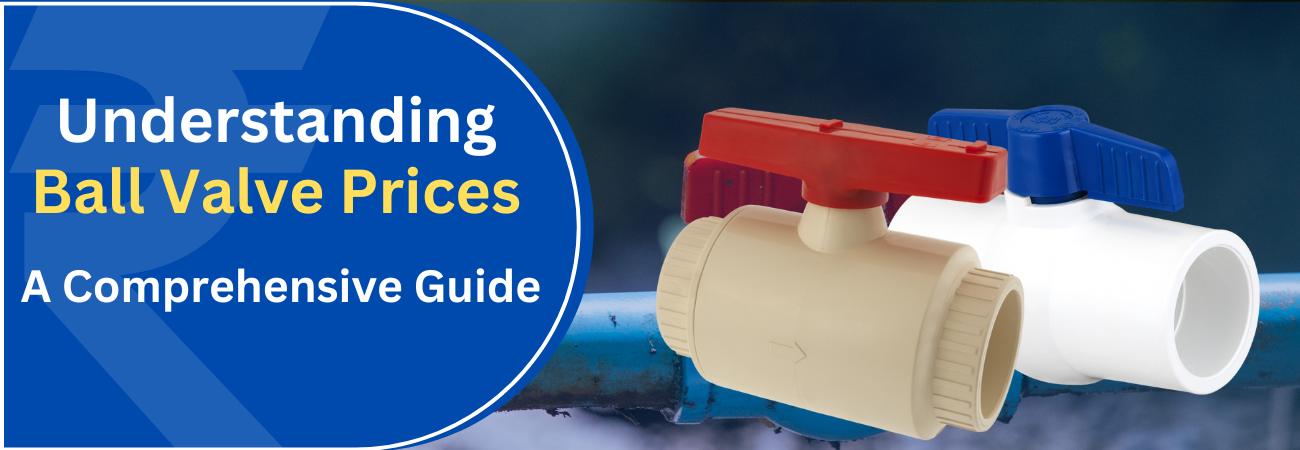
Understanding Ball Valve Prices A Comprehensive Guide
Introduction
When it comes to the industrial and commercial world, ball valves are an essential component. They play a crucial role in controlling the flow of various fluids and gases within pipelines, ensuring that operations run smoothly. However, understanding the factors that influence ball valve prices is crucial when purchasing them. The cost of ball valves can vary widely based on several factors, including material, size, type, and brand. This article provides a comprehensive guide to understanding ball valve prices, helping you make an informed decision that balances cost and quality.
Types of Ball Valves and Their Impact on Price
The type of ball valve is one of the primary factors that influences its price. Ball valves come in various types, each designed for specific applications, and the choice of valve significantly impacts the overall price.
Standard Ball Valves
Standard ball valves are the most common and widely used type. They are simple, reliable, and efficient, making them suitable for a broad range of applications. These valves typically feature a straightforward design with a floating ball mechanism that controls the flow of fluid or gas. Due to their simplicity and general-purpose use, standard ball valves are often the most affordable option available.
Trunnion Ball Valves
Manufacturers design trunnion ball valves for high-pressure applications. They are more robust than standard ball valves, with a trunnion or anchoring system that holds the ball in place. This design helps manage higher pressures and larger sizes. As a result, the enhanced durability and ability to handle extreme conditions make trunnion ball valves more expensive. Industries such as oil and gas often rely on these valves, where reliability under high pressure is critical.
V-Port Ball Valves
V-port ball valves are specialized valves that offer precise control over fluid flow. The V-shaped notch in the ball allows for better throttling, making these valves ideal for applications where accuracy and control are essential, such as in the chemical and pharmaceutical industries. Consequently, the added complexity in design and manufacturing of V-port ball valves results in a higher price compared to standard or even trunnion ball valves.
Multi-Port Ball Valves
Manufacturers design multi-port ball valves with multiple flow paths, allowing for more complex piping systems. Engineers often use these valves in applications that need to divert fluid or gas in different directions without stopping the flow. The additional ports and design complexity can increase the cost of these valves; however, they can also save costs in the broader system by reducing the need for additional piping and valves.
Material Considerations
The material used to construct a ball valve is another significant factor influencing its price. In particular, the choice of material affects the valve’s durability, resistance to corrosion, and suitability for various environments.
Stainless Steel
Stainless steel is one of the most common materials used for ball valves, particularly in applications where corrosion resistance is crucial. Stainless steel valves are highly durable and can withstand harsh conditions, making them ideal for industries such as food and beverage, pharmaceuticals, and chemical processing. Naturally, the high quality of stainless steel comes with a higher price tag. Still, the longevity and reliability of stainless steel valves often justify the initial investment.
Brass
Brass offers a more affordable alternative to stainless steel, and installers commonly choose it for residential and light commercial applications. Brass ball valves offer good durability and corrosion resistance, making them suitable for low- to medium-pressure applications. Therefore, the lower cost of brass compared to stainless steel makes it an attractive option for budget-conscious buyers. However, brass may not suit all environments, particularly those involving corrosive substances.
PVC
PVC (polyvinyl chloride) ball valves are the most economical option, and buyers widely choose them for non-critical applications such as irrigation, water treatment, and low-pressure chemical use. PVC is lightweight, resistant to corrosion, and easy to install, making it a popular choice for cost-sensitive projects. That said, PVC valves are not suitable for high-temperature or high-pressure environments, and their lower durability compared to metal valves means buyers may need to replace them more frequently.
Carbon Steel
Carbon steel ball valves offer another option, particularly for high-pressure applications that require extra strength. Carbon steel costs less than stainless steel but still offers good strength and durability. However, carbon steel is more susceptible to corrosion, so it may not suit all environments. As a result, the cost of carbon steel valves typically falls between brass and stainless steel, making them a mid-range option in terms of price.
Size and Pressure Rating
The size and pressure rating of a ball valve are also critical factors that influence its price. Generally, larger valves and those designed to withstand higher pressures cost more.
Size
The size of the valve, typically measured by its diameter, directly impacts the cost. Larger valves require more material and more complex manufacturing processes, leading to higher prices. For instance, a ball valve designed for a 2-inch pipeline costs less than one designed for a 6-inch pipeline. When selecting a valve, it’s important to choose the correct size for your application to avoid unnecessary costs.
Pressure Rating
Pressure rating refers to the maximum pressure a valve can withstand. Manufacturers build valves with higher pressure ratings using more robust materials and design features, which makes them more expensive. Consequently, it’s essential to match the valve’s pressure rating to the requirements of your application. Over-specifying a pressure rating can lead to unnecessary costs, while under-specifying can result in valve failure.
Brand and Quality
The brand and overall quality of a ball valve are additional factors that contribute to its price.
Brand Reputation
Valves from reputable brands are generally more expensive, but they offer the assurance of quality and durability. Established brands invest in research and development, testing, and quality control, ensuring their valves meet high standards. This investment in quality often translates to higher prices, but it can also mean fewer issues down the line and a longer lifespan for the valve.
Quality Certification
Valves that come with certifications, such as ISO or API standards, tend to be more expensive. These certifications indicate that testers have verified the valve meets specific industry standards, providing an extra level of assurance about its performance and reliability.
Additional Features
Ball valves can also come with additional features that enhance their functionality but increase their cost, including:
- Actuators: Automated actuators let operators control ball valves remotely, which is essential in certain applications. However, adding an actuator significantly increases the cost.
- Locking Mechanisms: Lockable ball valves add security in applications where operators need to prevent accidental operation. These features can increase the valve’s price.
- Special Coatings: In corrosive environments, manufacturers may coat ball valves with special materials to extend their lifespan. These coatings add to the manufacturing cost, making the valve more expensive.
Conclusion
Ultimately, ball valve prices depend on a combination of type, material, size, pressure rating, brand, and added features. Understanding these factors helps you choose a valve that balances performance and budget for your specific application, rather than simply picking the cheapest or the most expensive option available.
For any queries, contact the plumbing experts at Ajay pipes on the Toll Free No. : 1800-11-4050 or via email at our email address info@ajaypipes.com


