How to Clean Water Tank: A Complete Step-by-Step Guide
Introduction
Clean water is something most of us take for granted until we notice a strange smell or an odd taste coming from the tap. More often than not, the real culprit is not the water supply at all, it is the water tank sitting quietly on your roof or in your basement, collecting dust, algae, and sediment over months of use. Knowing how to clean water tank properly is one of the simplest ways to protect your family’s health and extend the life of your plumbing system.
At Ajay Pipes, we think about water quality often, since it depends heavily on the pipes and storage systems carrying it into your home. This guide covers everything about water tank cleaning, including how to clean overhead water tank setups and how to clean water tank at home without hiring professionals every time.
Why Regular Water Tank Cleaning Matters
Water tanks are usually installed in places that are hard to reach and easy to forget, on rooftops, in basements, or tucked away in utility areas. Because of this, they rarely get the attention they deserve. Over time, several things happen inside a tank left uncleaned:
- Dust and airborne particles settle at the bottom, forming a layer of sludge
- Algae and moss can grow on the inner walls, especially if sunlight seeps in through cracks or loose lids
- Insects, small animals, or bird droppings can contaminate the water if the tank is not properly sealed
- Rust and scaling can build up in metal tanks, affecting taste and safety
None of this is visible from outside, which is why so many households skip tank cleaning for years. Experts generally recommend cleaning your water tank every three to six months, depending on location, water source, and tank material.
Signs Your Water Tank Needs Cleaning
Before starting, it helps to know the warning signs:
- A musty or unpleasant smell coming from tap water
- Cloudy or discoloured water, even after running the tap for a while
- Visible sediment or particles settling in a glass of water
- A slimy feeling on the inner tank walls when you check
- Reduced water pressure, which can indicate sediment clogging the outlet pipe
If any of these sound familiar, it is time to follow the steps below.
How to Clean Water Tank at Home: Step-by-Step Process
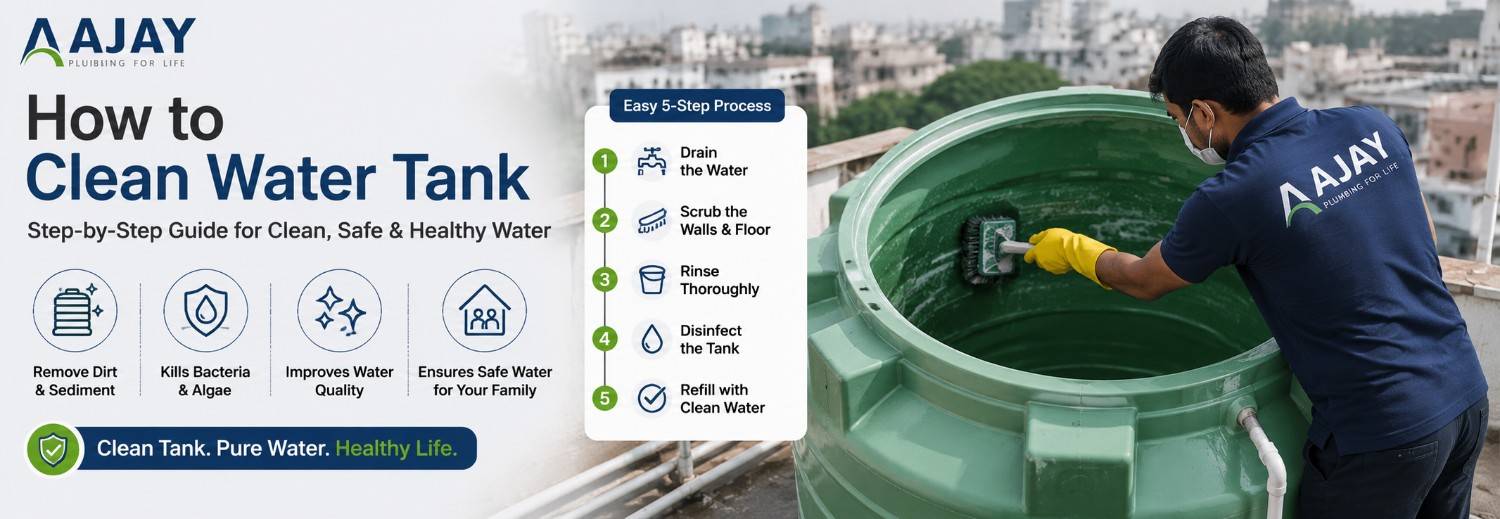
Cleaning a water tank does not require specialised equipment. Here is a straightforward method you can follow at home.
Step 1: Gather Your Materials
You will need a stiff scrub brush, a bucket, mild detergent or a bleach solution, rubber gloves, a torch, and a wet-dry vacuum. If your tank is large, having a second person around for safety is a good idea.
Step 2: Drain the Tank Completely
Turn off the water supply and let the tank drain through the outlet valve or with a submersible pump. Draining fully lets you see the actual sediment condition at the bottom, usually worse than expected.
Step 3: Remove Sediment and Sludge
Once drained, use a scrub brush to loosen sludge collected at the base and along the walls. In many overhead tanks, this layer can be surprisingly thick if the tank has not been cleaned in over a year. A wet-dry vacuum works well, but a bucket and scoop can do the job too.
Step 4: Scrub the Interior Walls
Using a mixture of mild detergent and water, scrub the inner walls, paying attention to corners and the underside of the lid, where algae builds up first. For stubborn stains, a diluted bleach solution (roughly one part bleach to one hundred parts water) works well, but rinse multiple times afterward so no residue remains.
Step 5: Disinfect the Tank
Disinfecting is a step many people skip, though it is arguably the most important one. Adding a chlorine-based disinfectant, following the manufacturer’s dosage guidelines, helps kill remaining bacteria. Let it sit for thirty minutes to a few hours before rinsing.
Step 6: Rinse Thoroughly
Rinse the tank two to three times with clean water to remove any leftover detergent, bleach, or disinfectant. Residual chemicals can affect water taste and, in some cases, health.
Step 7: Refill and Check the Outlet Pipe
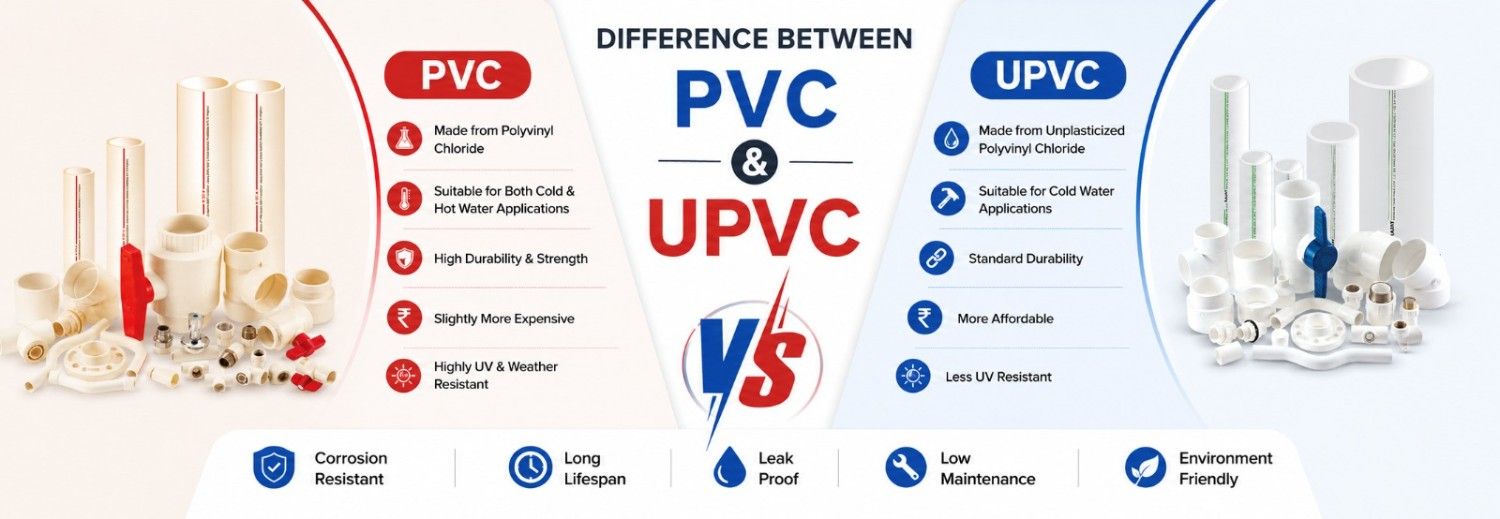
Before refilling, inspect the outlet pipe and connections for blockages or cracks. Damage here can undo the effort you just put into cleaning the tank. This is also a good moment to check whether older PVC or UPVC fittings need replacement.
How to Clean Overhead Water Tank Safely
Overhead tanks come with their own challenges, mainly due to their height and limited access. When learning how to clean overhead water tank systems, safety comes first.
- Switch off the electricity supply near the tank area if there is any wiring nearby
- Use a stable ladder and have someone hold it steady
- Wear non-slip footwear, since wet rooftop surfaces can be dangerously slippery
- If the tank is too large or awkwardly positioned, consider a professional cleaning service instead of risking a fall
- Check the tank lid and vent for cracks after cleaning, since these are common entry points for dust and insects
Overhead tanks are also more exposed to sunlight, which speeds up algae growth. If greenish deposits form quickly after each cleaning, a tank cover or shade can help slow this down.
Tips to Keep Your Water Tank Cleaner for Longer
Water tank cleaning does not have to be a dreaded chore. A few habits can extend the gap between deep cleans:
- Keep the tank lid tightly sealed to prevent dust and insects
- Install a mesh filter at the inlet to catch debris before it settles inside
- Check for leaks or cracks periodically, since even small openings let in contaminants
- Choose good quality tanks and pipes from the start, since cheaper materials degrade faster
- Schedule cleaning reminders every three to six months
Investing in reliable plumbing infrastructure, from the tank itself to the pipes connecting it to your home, makes a real difference. At Ajay Pipes, our range of pipes and fittings is designed to resist corrosion and scaling, which reduces the frequency and difficulty of tank maintenance. If you are also considering upgrading your storage tank, take a look at why homeowners and builders trust Ajay Pipes as a water tank manufacturer across India.
When to Call a Professional
While home cleaning works well for regular maintenance, some situations call for professional help. If your tank shows structural damage, persistent contamination, or is too large to access safely, bring in a professional tank cleaning service. Many municipal areas also offer scheduled tank cleaning, so check with your local water authority too.
Conclusion
Learning how to clean water tank properly is not complicated once you understand the process, but it requires consistency. Whether you are handling how to clean water tank at home on your own or figuring out how to clean overhead water tank setups safely, the goal stays the same: safe, clean water for everyday use. Pair regular cleaning with quality pipes and fittings, and you reduce the risk of contamination reaching your taps.
For more guidance on plumbing systems and water quality, explore the resources available at Ajay Pipes.
FAQ:-
1. How often should I clean my water tank?
Most experts recommend cleaning your water tank every three to six months, though this can vary based on water quality, tank material, and environmental exposure.
2. Can I use bleach to clean my water tank?
Yes, a diluted bleach solution (about one part bleach to one hundred parts water) is commonly used for disinfection, but the tank must be rinsed thoroughly afterward to remove all chemical residue.
3. What are the signs that my water tank needs cleaning?
Common signs include musty smells, cloudy or discoloured water, visible sediment, a slimy feel on the inner walls, and reduced water pressure.
4. Is it safe to clean an overhead water tank on my own?
It can be, provided you take proper safety precautions like using a stable ladder, wearing non-slip footwear, and having someone assist you. For very large or hard-to-access tanks, hiring a professional is safer.
5. Does the type of pipe or tank material affect how often I need to clean it?
Yes, lower quality materials tend to degrade faster and encourage algae or bacterial growth, meaning tanks connected to poor quality pipes may need more frequent cleaning. Choosing durable pipes and fittings, like those offered by Ajay Pipes, can help reduce this maintenance burden over time.
For any queries, contact the plumbing experts at Ajay pipes on the Toll Free No. : 1800-11-4050 or via email at our email address info@ajaypipes.com