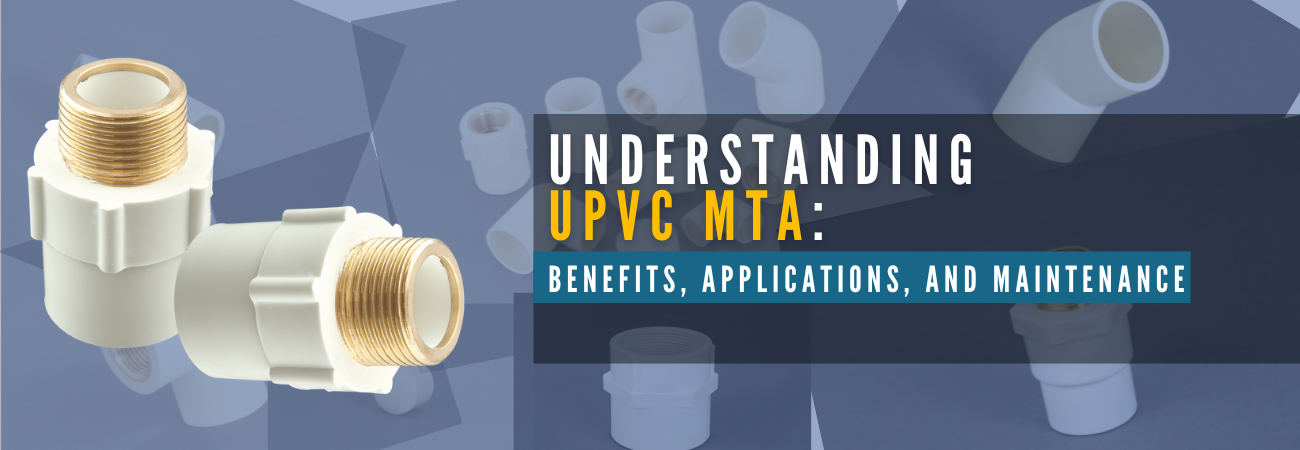
Understanding UPVC MTA Benefits Applications and Maintenance
Introduction
UPVC Or Unplasticized Polyvinyl Chloride, Is A Durable And Low-Maintenance Plastic Used Extensively In Construction. Unlike Regular PVC, UPVC Is Rigid And Resistant To Weathering, Making It Ideal For Windows, Doors, And Piping. Its Strength, Energy Efficiency, And Affordability Make It A Popular Choice For Both Residential And Commercial Projects.
What is UPVC MTA?
UPVC MTA stands for Unplasticized Polyvinyl Chloride Modular Thermal Assembly. This advanced building material combines the benefits of UPVC with thermal insulation properties to create a high-performance solution for various construction needs. Unlike regular UPVC, which is primarily used for windows and doors, UPVC offers enhanced thermal insulation and modular flexibility.
Benefits of UPVC MTA
- Enhanced Insulation
UPVC excels in thermal insulation. Its design helps in maintaining consistent indoor temperatures by reducing heat loss. This makes it ideal for energy-efficient buildings, lowering heating and cooling costs.
- Durability and Strength
The material is known for its robustness and longevity. UPVC is resistant to weathering, corrosion, and physical impact.
- Modular Flexibility
One of the standout features of MTA is its modular nature. It can be customized and assembled in various configurations to meet specific architectural needs. This flexibility simplifies the installation process and allows for tailored solutions.
- Low Maintenance
Unlike traditional materials that may require regular upkeep, MTA needs minimal maintenance. It does not require painting or frequent repairs, making it a cost-effective choice for both residential and commercial properties.
Applications of UPVC MTA
- Residential Buildings
In residential settings, UPVC MTA is used for window frames, door frames, and even partition walls. Its thermal insulation properties contribute to a comfortable living environment by maintaining steady indoor temperatures.
- Commercial Properties
For commercial applications, UPVC MTA is utilized in office buildings, retail spaces, and industrial facilities. Its durability and low maintenance requirements make it a preferred choice for high-traffic areas.
- Architectural Features
The modular design of UPVC MTA allows for creative architectural solutions. It can be used in constructing innovative designs and features, enhancing the aesthetic appeal of buildings.
How UPVC MTA Compares to Other Materials
- Versus Traditional UPVC
While traditional UPVC offers durability and low maintenance, UPVC MTA provides additional benefits such as improved thermal insulation and modular flexibility. This makes UPVC MTA a superior option for applications requiring enhanced thermal performance.
- Versus Aluminum
Compared to aluminum, UPVC MTA is more energy-efficient due to its superior thermal insulation properties. It is also less prone to condensation and requires less maintenance.
- Versus Wood
Wood, though aesthetically pleasing, requires significant maintenance and can be susceptible to weather-related damage. UPVC MTA, in contrast, offers greater durability and lower upkeep, making it a more practical choice for modern construction.
Future Trends in UPVC MTA
- Technological Advancements
Future developments may include enhanced thermal performance and integration with smart building technologies. These advancements will further improve the efficiency and functionality of UPVC MTA.
- Sustainability
As sustainability becomes increasingly important, the industry is focusing on developing eco-friendly UPVC MTA options. These will reduce environmental impact while maintaining high performance.
Maintenance of UPVC
- Regular Cleaning: Keep UPVC surfaces clean by wiping them with a soft cloth and mild detergent.
- Inspect Seals and Gaskets: Regularly check the seals and gaskets around windows and doors. Replace any that are damaged to maintain energy efficiency and security.
- Avoid Harsh Chemicals: Do not use harsh chemicals or solvents on UPVC surfaces. They can damage the material and affect its appearance.
Environmental Impact
Recyclability
Recycling UPVC reduces waste and promotes sustainability.
Energy Conservation
The energy efficiency of UPVC contributes to lower carbon emissions. By reducing energy consumption, UPVC supports efforts to combat climate change.
FAQs
A UPVC MTA (Male Threaded Adaptor) is a pipe fitting used to connect UPVC piping to components with female-threaded connections. It is commonly used in water supply, irrigation, plumbing, and other fluid-handling systems where a reliable threaded transition is required.
Select a UPVC MTA based on the pipe diameter, thread size, connection type, pressure requirements, and application. Using a fitting that matches the pipe and connected component helps ensure proper alignment and reduces the risk of leakage.
UPVC MTAs are lightweight, corrosion-resistant, and easy to install compared with many metal alternatives. Their smooth internal surface also supports efficient water flow, while their durability makes them suitable for a range of plumbing and water-management applications.
Ensure that the pipe and fitting are clean, properly aligned, and compatible before installation. For the UPVC solvent-welded side, use a suitable UPVC solvent cement according to the manufacturer’s instructions. Avoid excessive tightening of the threaded connection, as over-tightening can damage the fitting.
Regularly inspect UPVC MTA connections for leakage, cracks, loose joints, or signs of stress. Avoid exposing the fittings to conditions beyond their specified temperature and pressure limits, and replace any damaged fitting promptly to maintain system reliability.
For any queries, contact the plumbing experts at Ajay pipes on the Toll Free No. : 1800-11-4050 or via email at our email address info@ajaypipes.com