
CPVC vs UPVC
What is CPVC and UPVC?
Before understanding the difference between CPVC and UPVC, it is important to know their full forms.
- UPVC Full Form: Unplasticized Polyvinyl Chloride
- CPVC Full Form: Chlorinated Polyvinyl Chloride
UPVC and CPVC are widely used piping materials in plumbing systems, but they differ in composition, temperature resistance, and applications.
What is CPVC?
CPVC (Chlorinated Polyvinyl Chloride) is produced by chlorinating PVC polymer. It contains approximately 67% chlorine, which enhances its strength and heat resistance.
Key Features of CPVC:
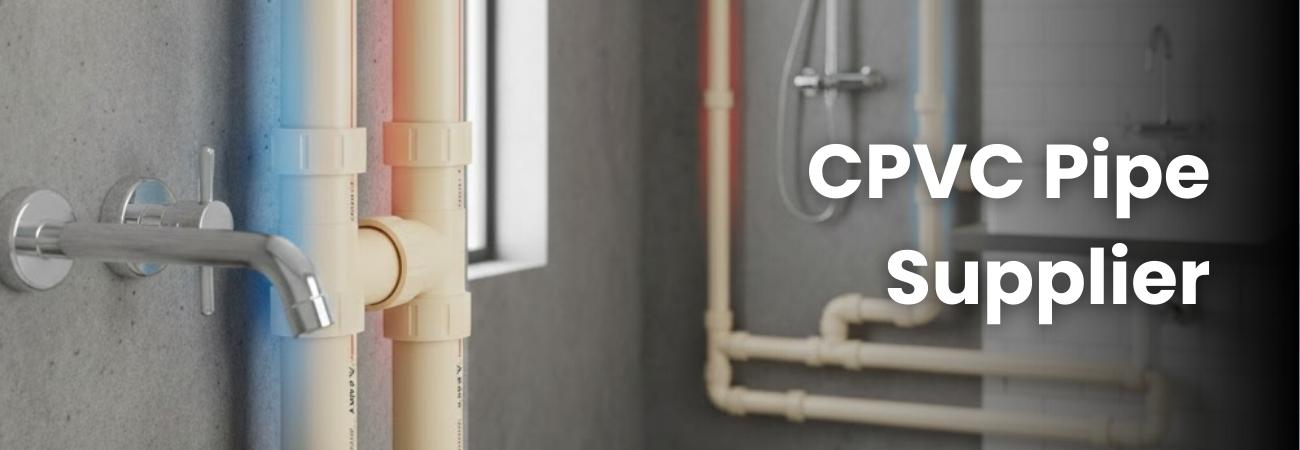
- Suitable for hot and cold water applications
- Withstands temperature up to 93°C
- Strong, rigid, and chemical resistant
- Resistant to acids, alcohols, hydrocarbons, and bases
- Fire-retardant properties
- Used in fire sprinkler systems
- Flexible and easy to install
What is UPVC?
UPVC (Unplasticized PVC) is a rigid form of PVC with around 57% chlorine content.
Key Features of UPVC:
- Suitable for cold water applications only (below 60°C)
- Long-lasting and recyclable
- Fire-resistant and self-extinguishing
- Strong and rigid structure
- Commonly used in plumbing and drainage systems
Difference Between CPVC and UPVC (PVC)
1. Temperature Resistance
- CPVC: Withstands up to 93°C (hot & cold water use)
- UPVC: Withstands up to 60°C (only cold water use)
2. Fire Retardance
- UPVC: LOI 45, self-extinguishing, chars in fire
- CPVC: LOI 60, better fire resistance, ideal for fire sprinkler systems
3. Installation
- UPVC: Easy installation using solvent cement; widely known by plumbers
- CPVC: Also easy installation using CPVC solvent cement; slightly more flexible
4. Joint Quality
- UPVC: Strong joints but requires careful alignment due to rigidity
- CPVC: Strong, homogeneous joints with easier and more fool-proof installation
5. Chemical Resistance
- UPVC: Resistant to acids and alkalis
- CPVC: Highly resistant to acids, alkalis, and industrial chemicals
6. Drinking Water Safety
- UPVC: Depends on manufacturer quality
- CPVC: NSF-certified CPVC is preferred for safe drinking water
7. UV Resistance
- UPVC: UV stabilized
- CPVC: Better UV and temperature stability
Similarities Between CPVC and UPVC
1. Installation
- No special tools required
- Available as DIY systems
2. Chlorine Resistance
- Both are resistant to chlorine used in treated water
3. Scaling
- No scaling due to smooth inner surface
4. Flow Rate
- High flow rate with Hazen-Williams C factor of 150
5. UV Effect
- Both are UV resistant and stable under sunlight exposure
6. Drinking Water Use
- Both can be used for potable water (depends on manufacturer certification)
7. Repairability
- Easy to repair without special equipment
8. Chemical Resistance
- Both offer strong resistance to acids and alkalis
9. System Simplicity
- UPVC: Best for cold water systems
- CPVC: Suitable for hot & cold water + industrial use
Conclusion
CPVC is more advanced than UPVC due to its higher temperature resistance, better fire performance, and wider application range. UPVC, however, remains a cost-effective and reliable solution for cold water plumbing and drainage systems.
For any queries, contact the plumbing experts at Ajay pipes on the Toll Free No. : 1800-11-4050 or via email at our email address info@ajaypipes.com