What is PVC Pipe? Meaning, Uses, and Applications Explained
Introduction
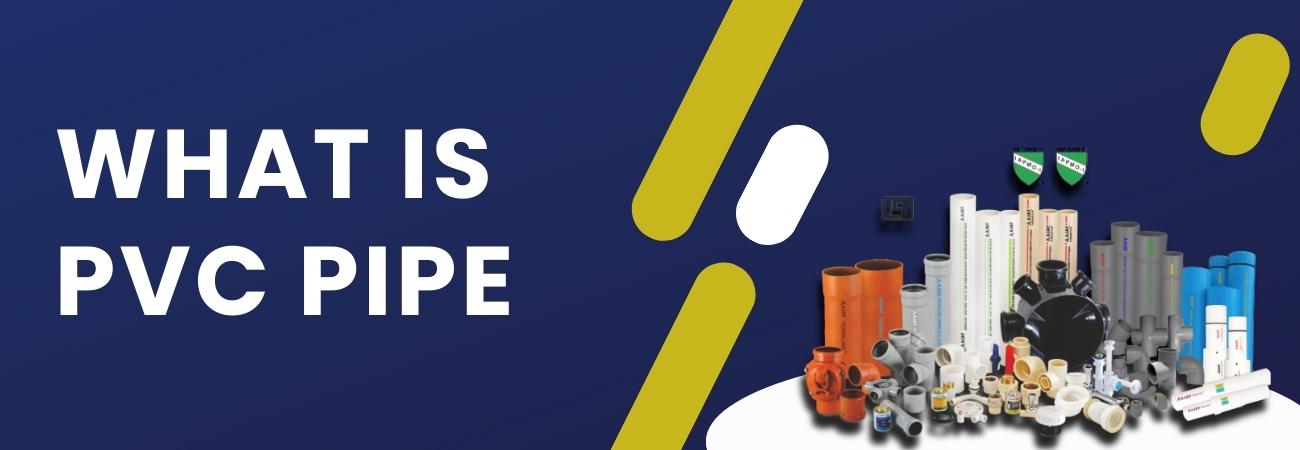
PVC pipe is a rigid plastic pipe made from polyvinyl chloride, a strong synthetic polymer. It carries water, wastewater and other fluids through homes, farms, buildings and factories. This guide explains what PVC pipe is, how manufacturers make it, which types exist, where people use it and how to pick the right one.
What Is PVC Pipe and What Does the Name Mean?
PVC stands for polyvinyl chloride. Manufacturers make this polymer from ethylene and chlorine, then add stabilisers and pigments to make it tough and weather resistant. The result is a lightweight pipe that does not rust, scale or corrode.
PVC pipe suits cold water supply, drainage, sewage, irrigation and many industrial duties. It comes in many diameters, wall thicknesses and pressure classes, so one material covers very different jobs. In addition, its smooth inner wall reduces friction and keeps water flowing freely.
How Is PVC Pipe Made?
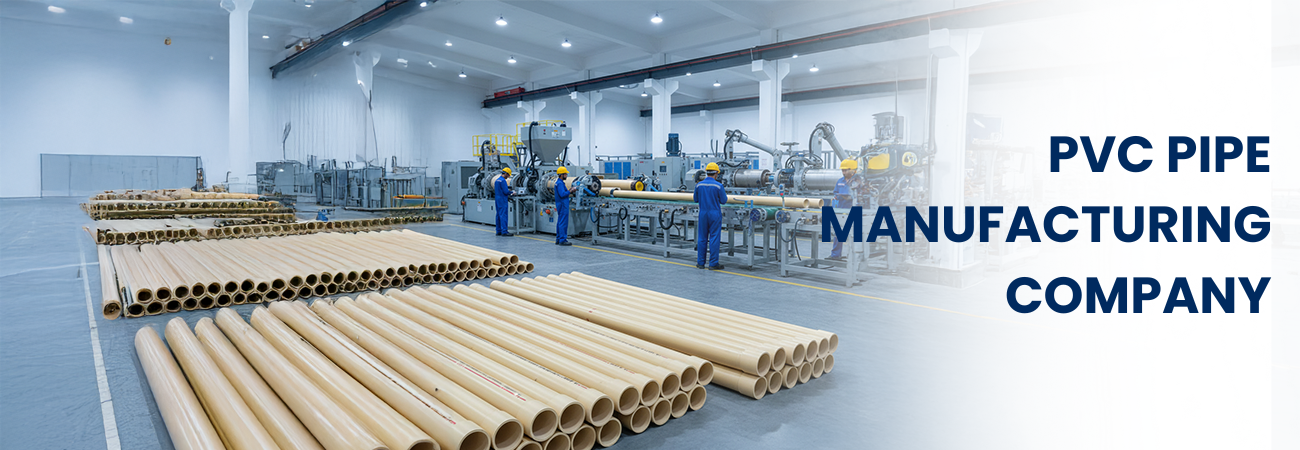
Pipe makers follow a simple extrusion process:
- Blend PVC resin with stabilisers, lubricants and colour pigments.
- Melt the blend and push it through a die in a twin screw extruder.
- Cool the hot pipe in a vacuum sizing tank so it holds its exact diameter.
- Cut the pipe to length, usually 3 m or 6 m, and test it.
- Form sockets or fit rubber ring seals at the pipe ends.
Fittings such as bends, tees and elbows come from injection moulding instead. Good manufacturers also run hydrostatic pressure and impact tests on their pipes, which protects buyers from weak or leaking products.
Types of PVC Pipe
Different jobs need different pipes. The table below lists the common types sold in India.
| Type | Common standard | Typical sizes | Best use |
|---|---|---|---|
| Pressure pipe (UPVC) | IS 4985 | 20 to 315 mm, classes up to 10 kg/cm2 | Water supply and irrigation |
| Schedule 40 and 80 pipe | ASTM D 1785 | 1/2 to 8 inch | Cold water plumbing in buildings |
| SWR pipe | IS 13592 | 75 to 160 mm | Soil, waste and rainwater drainage |
| Underground drainage pipe | IS 16098 | 110 to 200 mm | Buried drains and sewers |
UPVC means unplasticised PVC. It contains no plasticiser, so it stays rigid and strong. Most pipes sold for plumbing and drainage belong to this group, which is why people often use the terms PVC and UPVC together.
PVC Pipe Sizes and Pressure Classes
Size and pressure class decide where a pipe can work. Pressure pipes for water supply and irrigation come in diameters from 20 mm to 315 mm, and common lengths are 3 m and 6 m. Each pipe also carries a pressure class, such as 2.5, 4, 6 or 10 kg/cm2. A higher class means a thicker wall, so the pipe withstands more pressure.
Plumbing pipes follow a different system. They use schedule numbers instead of classes, and Schedule 80 has a thicker wall than Schedule 40. SWR drainage pipes come in 75, 90, 110 and 160 mm, with Type A for lighter duty and Type B for heavier duty. Always check the size and class printed on the pipe before you fit it.
PVC Pipe Uses and Applications
PVC pipe works in many settings because it resists corrosion and handles cold water well.
- Water supply: UPVC pressure pipes carry cold potable water in homes, buildings and municipal lines.
- Drainage and sewage: SWR and underground drainage pipes move soil, waste and rainwater away from buildings.
- Irrigation and agriculture: UV resistant pipes serve drip, sprinkler and borewell lines on farms.
- Industrial use: Chemical resistance suits process water, effluent and cooling lines, within temperature limits.
- Cable protection: Buried PVC pipes also shield electric and telecom cables from damage.
Compared with metal pipes, PVC costs less, weighs less and needs almost no maintenance. As a result, contractors can install it faster and homeowners spend less on repairs.
Key Properties and Limits of PVC Pipe
PVC pipe offers clear strengths:
- It is lightweight, so crews carry and fit it easily.
- It resists acids, alkalis, salts and rust.
- Its smooth bore keeps friction losses low.
- It can last up to 50 years when installers fit it correctly.
- It joins quickly with solvent cement or rubber ring seals.
However, PVC also has limits. Standard PVC handles cold water only, and its maximum service temperature is about 60 C. It does not suit compressed air or gases. In addition, long exposure to sunlight weakens pipe that has no UV stabiliser, so check this before outdoor use.
PVC vs UPVC vs CPVC: What Is the Difference?
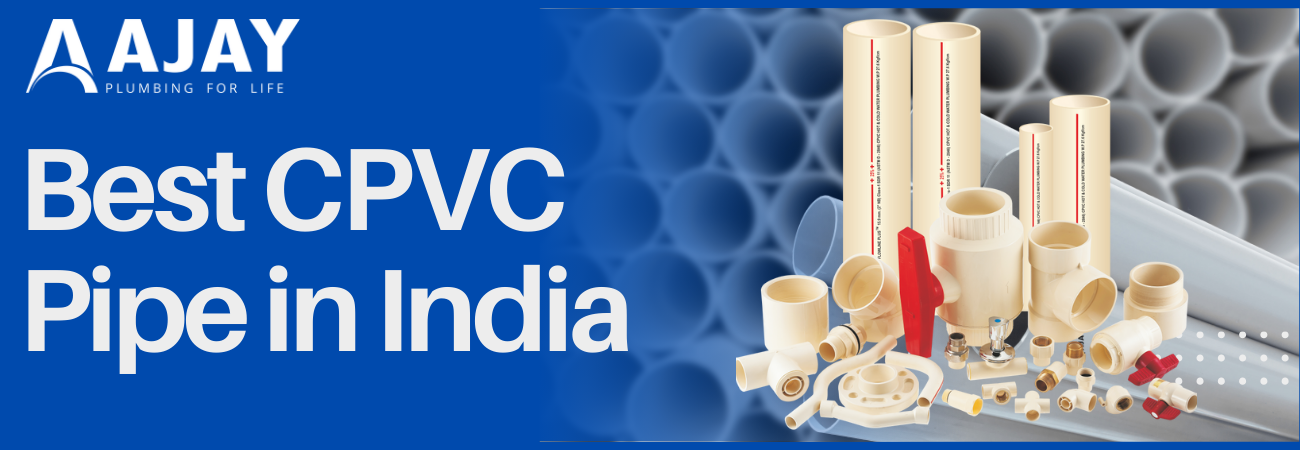
CPVC is chlorinated PVC. The extra chlorine lets it handle hot water, which standard PVC cannot.
| Feature | PVC and UPVC | CPVC |
|---|---|---|
| Maximum temperature | About 60 C | Up to 93 C (Ajay Flowline Plus) |
| Best use | Cold water, drainage, irrigation | Hot and cold water plumbing |
| Cost | Lower | Higher |
| Indian standard | IS 4985 | IS 15778 |
Choose CPVC for hot water lines and PVC for everything else that stays cold.
How to Choose the Right PVC Pipe
Follow these steps before you buy:
- Match the pipe type to the job: pressure, drainage or irrigation.
- Check the pressure class or schedule and the diameter. Use our PVC pipe sizes chart to match the diameter to your flow needs.
- Look for the ISI mark and the IS number printed on the pipe. The Bureau of Indian Standards explains how licensing works.
- Pick UV stabilised pipe for any outdoor line.
- Buy fittings and solvent cement from the same brand, because mixed parts often leak.
PVC Pipe and the Environment
PVC pipe also supports sustainable building. Its long service life means fewer replacements and less waste. Its light weight cuts transport fuel, and many PVC products can be recycled at the end of their life. In addition, a smooth bore lowers pumping effort, which saves energy in water supply and irrigation systems.
PVC Pipe Installation and Maintenance Tips
Good installation decides how long the pipe lasts. Keep these points in mind:
- Cut the pipe square, then remove burrs and chamfer the edge.
- Apply primer and solvent cement evenly, and let the joint cure fully before testing.
- Leave a 10 mm expansion gap in ring fit joints.
- Support horizontal runs with clamps at regular intervals.
- Shield pipes from heat sources and direct sunlight.
- Inspect joints and fittings from time to time.
Why Choose Ajay PVC Pipes?
Ajay Pipes belongs to a group with more than 50 years of experience in the pipe industry. The company holds BIS licences for IS 4985, IS 7834, IS 13592 and IS 14735, and its operations carry ISO 9001 and ISO 14001 certification. Its range covers Greenline UPVC for cold water plumbing, Agriline for irrigation, Drainline for SWR drainage and Terraline for underground drainage. Explore the Greenline UPVC range for lead free, UV resistant pipes and fittings in Schedule 40 and 80.
Conclusion
So, what is PVC pipe? It is a durable, corrosion free plastic pipe that moves water and waste safely across homes, farms and industries. Choose the right type, check the ISI mark, and install it with matching fittings. Do this, and your PVC pipe system will serve you for decades.
FAQ:-
PVC pipe carries cold water, wastewater, sewage and irrigation water. It also protects buried electric and telecom cables.
Yes. ISI marked UPVC pipes made for potable water are safe for cold drinking water supply.
No. Standard PVC handles temperatures up to about 60 C, so use CPVC pipe for hot water lines.
A well installed PVC pipe can last up to 50 years because it resists rust, scaling and corrosion.
UPVC is PVC without plasticiser, so it is more rigid and strong. Most pipes sold for plumbing and drainage in India are UPVC.
For any queries, contact the plumbing experts at Ajay pipes on the Toll Free No. : 1800-11-4050 or via email at our email address info@ajaypipes.com