
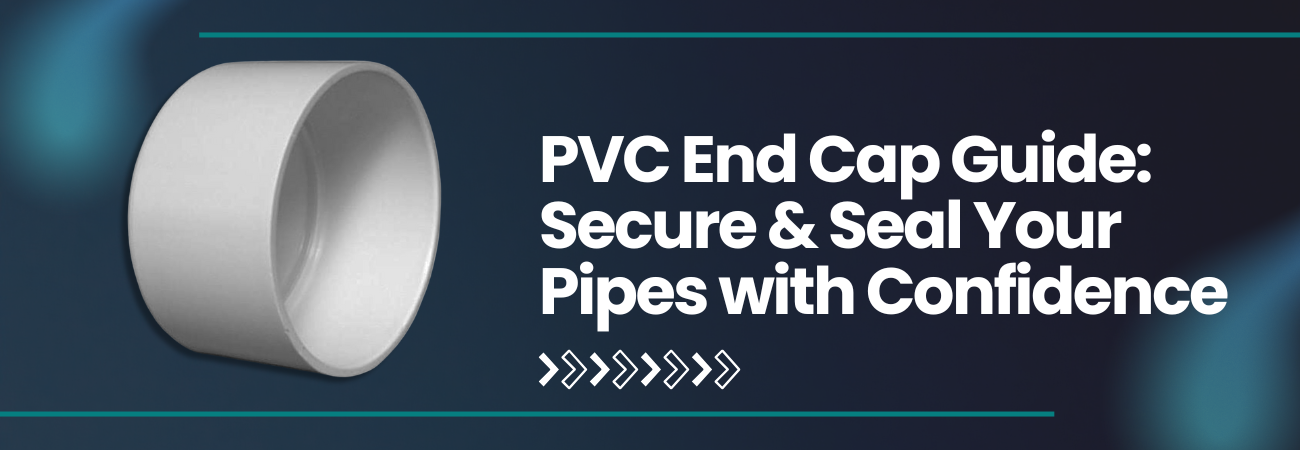
PVC End Cap Guide: Secure & Seal Your Pipes with Confidence
Introduction
A PVC end cap is a simple yet crucial fitting used in piping systems to securely close the end of a pipe. Whether you’re working on a plumbing setup, irrigation network, or industrial system, end caps help seal pipelines to prevent leaks, contamination, and unwanted flow.
These caps are typically made from Polyvinyl Chloride (PVC), a lightweight yet durable thermoplastic known for its chemical resistance and affordability. Whether you’re using PVC solvent cement or PVC solution for installation, PVC end caps are quick and reliable to fit.
Why Use a PVC End Cap?
PVC end caps are essential in various plumbing and fluid distribution systems for several reasons:
- Leak Prevention: Creates a watertight seal at the end of a pipe.
- Protection: Prevents dirt, debris, and insects from entering the pipe.
- Temporary Sealing: Useful for future pipe extensions or maintenance closures.
- Durability: High-quality PVC-U material provides strength and resistance to temperature changes.
Types of PVC End Caps
PVC end caps are available in different styles depending on the application.
1. Socket End Cap
- Fits over the outside of the pipe.
- Commonly used in residential plumbing systems.
- Usually installed using solvent cement.
2. Threaded End Cap
- Screws onto the threads of a pipe.
- Ideal for temporary sealing.
- Can be easily removed when maintenance or future extensions are required.
3. Domed Cap
- Features a slightly rounded or bulged end.
- Provides additional structural strength.
- Can be suitable for applications requiring greater resistance to pressure.
How to Install a PVC End Cap
Installing a PVC end cap is a straightforward process when the correct materials and techniques are used.
Tools & Materials Needed
- PVC end cap
- PVC pipe
- PVC solvent cement
- PVC solution (cleaner/primer)
- Rag or clean cloth
Installation Steps
Step 1: Clean the Pipe and Cap
- Use a PVC solution to clean the pipe and inside of the cap.
- Remove dust, grease, dirt, and moisture.
- Make sure both surfaces are clean and dry before proceeding.
Step 2: Apply Primer
- Apply a suitable PVC primer to the joining surfaces if recommended for the pipe and cement system.
- Allow it to prepare the surfaces according to the product instructions.
Step 3: Apply PVC Solvent Cement
- Apply PVC solvent cement evenly to the outside of the pipe.
- Apply cement to the inside of the end cap socket.
- Avoid applying excessive cement.
Step 4: Connect the Cap
- Push the cap firmly onto the pipe.
- Give it a slight twist during insertion to distribute the cement evenly.
- Hold the connection in place for approximately 30 seconds or as recommended by the cement manufacturer.
Step 5: Allow It to Cure
- Avoid disturbing the joint during the initial setting period.
- Allow sufficient curing time before putting the system into service.
- Exact curing time depends on pipe size, temperature, humidity, and the cement manufacturer’s instructions.
Common Applications of PVC End Caps
PVC end caps are widely used across residential, agricultural, construction, and industrial applications.
Residential Plumbing
- Sealing water lines and unused pipe ends.
- Closing pipe sections during plumbing modifications.
- Used in bathroom and kitchen plumbing systems.
Agricultural Irrigation
- Temporarily capping unused irrigation lines.
- Closing the ends of irrigation pipe networks.
- Useful during system expansion and maintenance.
Construction Projects
- Sealing pipe ends during installation.
- Supporting pipeline testing before final connections.
- Closing temporary sections during phased construction.
Industrial Systems
- Isolating sections of piping during maintenance.
- Closing unused pipeline branches.
- Used in suitable fluid-handling applications.
Related PVC Fittings to Consider
PVC piping systems use several fittings to improve flexibility and functionality.
- PVC Tee: Joins three pipes and allows branching at right angles.
- PVC Coupler: Connects two pipes in a straight line.
- PVC Elbow: Changes the direction of a pipeline.
- PVC Reducer: Connects pipes of different sizes.
How to Choose the Right PVC End Cap
When selecting a PVC end cap, consider the following factors:
1. Pipe Size Compatibility
Always select an end cap that matches the pipe’s nominal size and fitting standard. Proper compatibility ensures a secure connection.
2. Pressure Rating
Check the cap’s pressure rating when using it in a pressurized piping system. The fitting should be suitable for the operating pressure and temperature of the application.
3. Application Type
- For permanent closure, solvent-weld caps are commonly used.
- For temporary applications, threaded caps may be more convenient where compatible.
4. Material Grade
Choose high-quality PVC-U material appropriate for the intended application. The material should provide the required strength, chemical resistance, and temperature performance.
Maintenance Tips for PVC End Caps
PVC fittings generally require minimal maintenance, but these practices can help maintain system performance:
- Inspect fittings periodically for cracks, damage, or leaks.
- Avoid prolonged exposure to direct sunlight where the product is not UV-rated.
- Use compatible PVC solvent cement to reduce the risk of joint failure.
- During disassembly, avoid hammering or forcing the cap off.
- Replace damaged fittings promptly.
Advantages of Using PVC End Caps
Some of the key advantages of PVC end caps include:
- Easy to install
- Cost-effective
- Corrosion-resistant
- Lightweight and durable
- Low maintenance
- Compatible with various PVC fittings
- Suitable for multiple plumbing and fluid-handling applications
Commercial & Industrial Use Cases
For Builders & Contractors
- Useful for testing pipelines before commissioning.
- Helps seal lines temporarily during phased construction.
- Suitable for closing unused pipe branches.
For DIY Enthusiasts
- Useful for home plumbing projects.
- Suitable for temporary pipe closures.
- Lightweight and easy to handle and store.
For Plumbers
- A practical fitting for routine plumbing work.
- Useful for temporary closures and maintenance tasks.
- Can be kept as part of a plumbing repair kit.
Conclusion
A PVC end cap is more than just a pipe cover it is an important component for creating a secure and reliable pipe closure. Whether you are sealing a residential water line, an irrigation pipeline, or a commercial plumbing system, choosing the correct end cap and using compatible PVC solvent cement and PVC solution can help create a dependable connection.
By understanding the different types, applications, installation process, and selection factors, you can choose the right PVC end cap for your piping project and maintain a reliable plumbing system.
FAQ:-
Yes, threaded PVC end caps can be reused as long as they remain in good condition. However, solvent-welded caps are intended for permanent use and cannot be removed without damaging the pipe.
A PVC cap is designed to cover the external end of a pipe, whereas a PVC plug is inserted into the pipe to seal it from the inside. Both serve to block flow but differ in how they are installed.
For socket-type PVC end caps, using PVC solvent cement is essential to create a secure, leak-proof bond. If the end cap is threaded, Teflon tape can be used instead to ensure a tight seal.
You can find reliable and long-lasting PVC end caps, along with other components like PVC valves and connectors, from reputable brands such as Ajay Pipes. They offer a wide variety of plumbing solutions, including durable fittings and solvent adhesives.
For any queries, contact the plumbing experts at Ajay pipes on the Toll Free No. : 1800-11-4050 or via email at our email address info@ajaypipes.com

