

The Ultimate Guide to CPVC Ball Valves: Features & Benefits
Introduction
Choosing the right valve for plumbing and industrial piping systems is essential for efficient fluid control. Valves help regulate water flow, prevent leaks, and ensure smooth operation across various applications. Among the available options, CPVC ball valves are widely preferred for their durability, chemical resistance, easy installation, and reliable performance.
This guide explains the features, benefits, applications, selection factors, installation process, and maintenance tips for CPVC ball valves.
What Is a CPVC Ball Valve?
A CPVC ball valve is a flow-control device manufactured using Chlorinated Polyvinyl Chloride (CPVC). It contains a spherical ball with a central opening that controls fluid flow. When the handle is turned, the ball rotates to either allow or stop the flow.
CPVC ball valves are suitable for residential, commercial, and industrial piping systems, particularly applications involving hot and cold water and compatible chemicals.
Key Features of CPVC Ball Valves
1. Heat Resistance
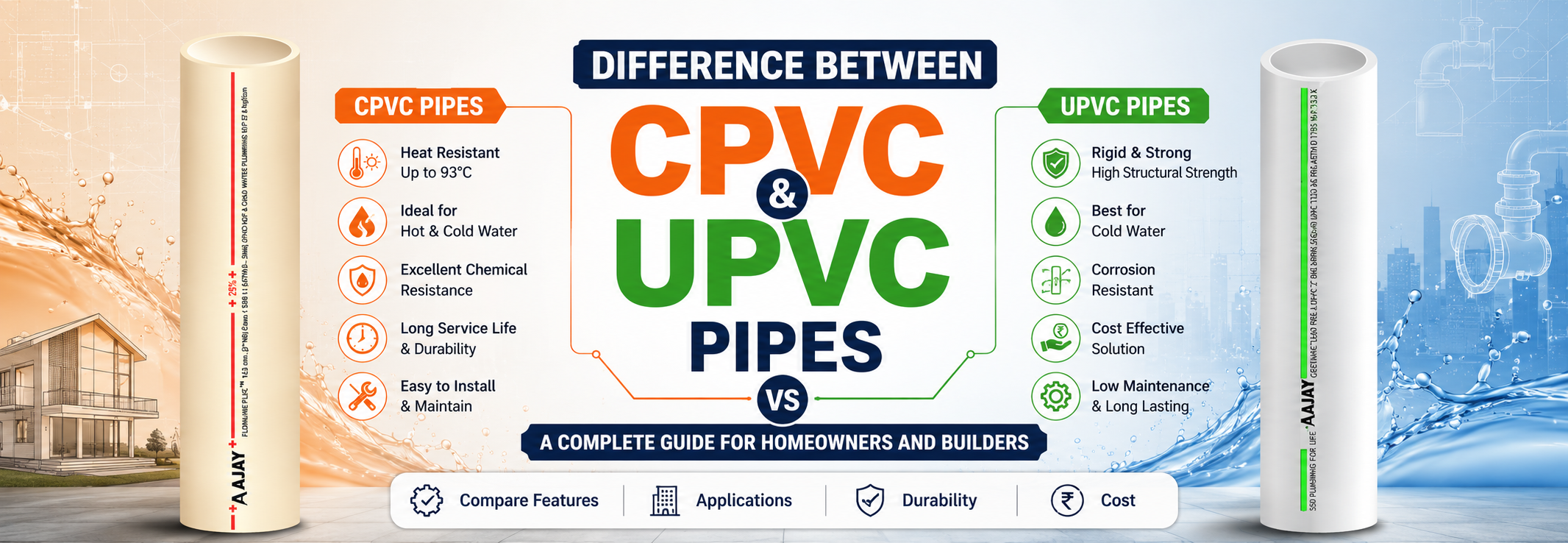
CPVC ball valves offer better heat resistance than standard PVC valves, making them suitable for hot-water plumbing and other temperature-sensitive applications.
2. Corrosion Resistance
CPVC does not rust or corrode like metal materials. This makes CPVC ball valves suitable for environments exposed to moisture and many compatible chemicals.
3. Long-Lasting Durability
These valves are designed for reliable long-term performance and generally require minimal maintenance when properly selected and installed.
4. Easy Installation
CPVC ball valves are lightweight and easy to handle. Socket-type valves can be joined with suitable CPVC solvent cement, helping create secure connections without complex equipment.
5. Cost-Effective Solution
Compared with many metal valve options, CPVC ball valves can provide a practical and economical solution for suitable plumbing and fluid-handling applications.
Benefits of CPVC Ball Valves
1. Excellent Chemical Resistance
CPVC provides good resistance to many chemicals, making CPVC ball valves useful in selected industrial, water-treatment, and chemical-handling applications. Compatibility should always be checked for the specific fluid and operating conditions.
2. Low Maintenance
Because CPVC is resistant to rust and corrosion, these valves can require less maintenance than conventional metal valves in suitable environments.
3. Smooth Fluid Flow
The smooth internal surface and full-port ball design of many CPVC ball valves help reduce flow resistance and support efficient fluid movement.
4. Lightweight Yet Strong
CPVC ball valves are considerably lighter than many metal alternatives while providing the strength required for appropriate plumbing and fluid-control applications.
5. Suitable for Potable Water Applications
CPVC products manufactured and certified for potable-water use can be used in drinking-water systems. Always verify that the specific valve meets the applicable local standards and certifications.
Common Applications of CPVC Ball Valves
1. Residential and Commercial Plumbing
CPVC ball valves are commonly used to control hot and cold water flow in residential buildings, offices, commercial properties, and other plumbing installations.
2. Industrial Piping
They can be used in selected industrial systems where CPVC’s temperature, pressure, and chemical-resistance characteristics are suitable for the application.
3. HVAC Systems
CPVC valves may be used in suitable HVAC water systems to control fluid flow and isolate sections of piping during maintenance.
4. Water Treatment Facilities
They can help regulate water flow in compatible filtration, treatment, and purification systems.
5. Agricultural Irrigation
CPVC ball valves can be used in suitable irrigation systems to control water distribution and isolate different sections of the network.
How to Choose the Right CPVC Ball Valve
Before selecting a CPVC ball valve, consider the following factors:
- Size and Pressure Rating: Choose a valve that matches the pipe diameter and required operating pressure.
- Connection Type: Select the appropriate socket, threaded, or flanged connection according to the piping system.
- Handle Type: Manual lever handles are suitable for many installations, while actuators can be considered for automated systems.
- Temperature Rating: Confirm that the valve can safely handle the maximum operating temperature.
- Fluid Compatibility: Check that the valve material is compatible with the fluid or chemicals being transported.
- Application Requirements: Consider factors such as flow rate, installation environment, maintenance access, and applicable standards.
Complementary CPVC Products
CPVC ball valves can be combined with other compatible components to create an efficient piping system.
CPVC Valves
Other CPVC valve types, such as check valves and other flow-control valves, can be used where specific flow-control functions are required.
CPVC Pipes
CPVC pipes provide a compatible piping solution for hot- and cold-water applications when used according to the manufacturer’s specifications.
CPVC End Caps
CPVC end caps are used to close pipe ends and can help isolate or terminate sections of a piping system.
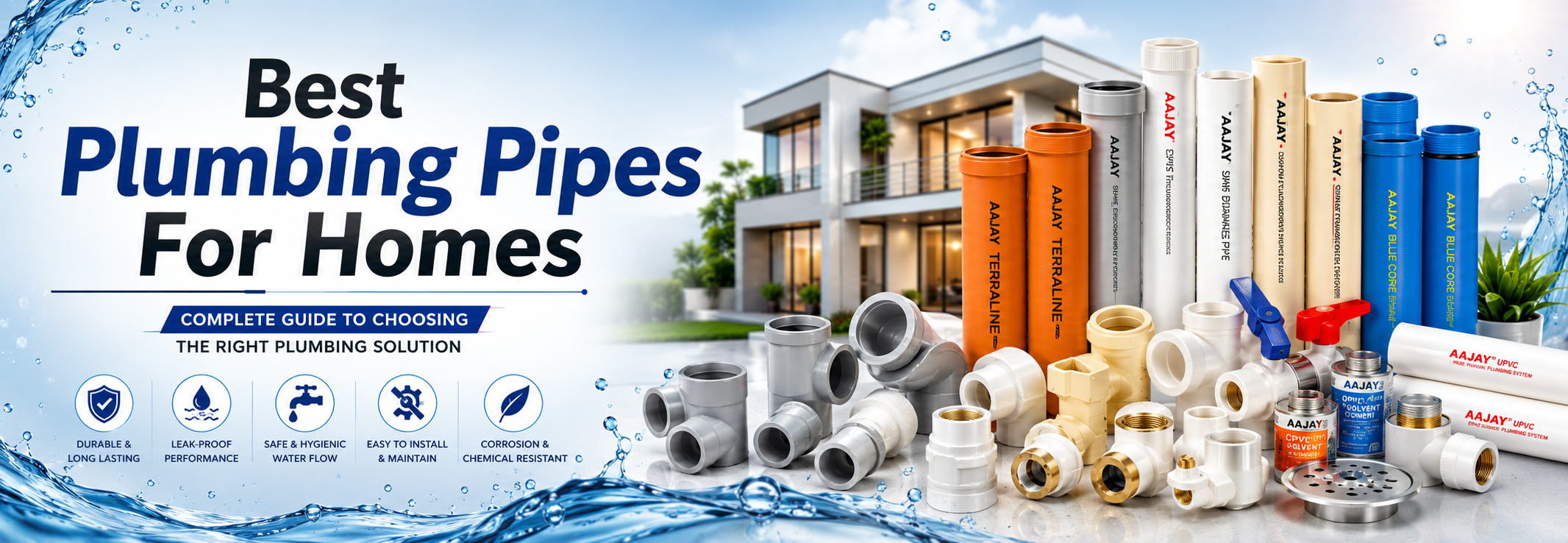
CPVC Fittings
Elbows, tees, reducers, couplings, unions, and other CPVC fittings help create complete and properly configured piping networks.
CPVC Ball Valve Installation Steps
Proper installation is important for achieving reliable and leak-resistant performance.
Step 1: Measure and Cut
Measure the required pipe length and make a clean, square cut using an appropriate pipe-cutting tool.
Step 2: Clean the Surfaces
Clean the pipe ends and valve sockets to remove dirt, dust, moisture, and other contaminants.
Step 3: Apply Primer and Solvent Cement
Where required by the manufacturer’s installation instructions, apply the appropriate CPVC primer followed by compatible CPVC solvent cement.
Step 4: Join the Components
Insert the pipe into the valve socket with the recommended twisting motion and hold it firmly for the required time.
Step 5: Allow Proper Curing
Allow the solvent-cemented joint to cure according to the manufacturer’s instructions before pressurizing the system.
Step 6: Test for Leaks
After the recommended curing period, test the piping system under appropriate conditions to confirm that the connections are secure and leak-free.
CPVC Ball Valve Maintenance Tips
Although CPVC ball valves generally require minimal maintenance, regular inspection can help maintain system performance.
- Operate the Valve Regularly: If appropriate for the application, operate the valve periodically to help prevent sticking.
- Inspect for Leaks: Check the valve body and connections for signs of leakage or damage.
- Keep the System Clean: Prevent debris and contaminants from entering the valve and affecting its operation.
- Check Connections: Inspect joints and threaded connections periodically for signs of wear.
- Replace Damaged Components: Replace the valve if it develops cracks, significant wear, or other damage that affects safe operation.
Conclusion
CPVC ball valves are a practical choice for many residential, commercial, and industrial fluid-control applications. Their corrosion resistance, temperature capability, lightweight construction, durability, and ease of installation make them suitable for a wide range of compatible piping systems.
For the best performance, select a valve according to the required size, pressure rating, temperature, connection type, and fluid compatibility. Proper installation and periodic inspection can further support reliable and long-lasting operation.
FAQ:-
CPVC ball valves are used to control fluid flow in residential, commercial, and industrial piping systems. They are commonly found in plumbing, chemical processing, HVAC systems, and water treatment plants.
Yes, CPVC ball valves can handle higher temperatures than standard PVC valves, making them ideal for hot water systems.
Yes, CPVC is a non-toxic material approved for potable water applications. It does not leach harmful chemicals into the water supply.
They are installed using solvent cement, which securely bonds them to CPVC pipes. The process involves cutting, cleaning, priming, and applying cement before allowing it to cure.
Minimal maintenance is required. Periodic operation prevents sticking, and routine inspections help detect any leaks or wear.
For any queries, contact the plumbing experts at Ajay pipes on the Toll Free No. : 1800-11-4050 or via email at our email address info@ajaypipes.com




One Comment