Introduction
Water is one of the most essential resources for homes, agriculture, and industries. In many regions of India, borewells are a primary source of groundwater. However, to ensure the long-term durability and efficiency of a borewell, installing a borewell casing pipe is extremely important. These pipes protect the borewell structure, prevent soil collapse, and maintain water purity.
In this guide, we will explore everything about borewell casing pipes, including their benefits, types, installation, and how to choose the best casing pipes for borewell projects.
What is a Borewell Casing Pipe?
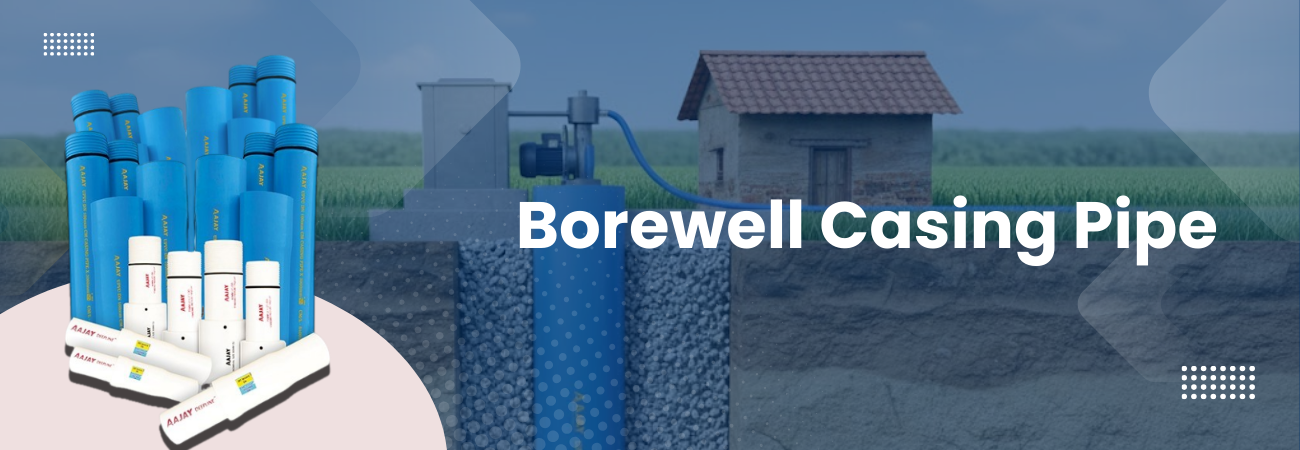
A borewell casing pipe is a protective pipe installed inside a borewell to support the borehole walls and prevent them from collapsing. It also stops sand, mud, and contaminants from entering the water supply.
Casing pipes act as a protective barrier between the borewell and the surrounding soil layers. Without proper casing, borewells may collapse or become contaminated, reducing their lifespan and water quality.
Today, PVC casing pipes for borewells are widely used due to their durability, corrosion resistance, and affordability.
Importance of Borewell Casing Pipes
Installing a high-quality casing pipe is critical for maintaining the efficiency of a borewell system. Here are the main reasons why casing pipes are essential:
1. Prevents Borewell Collapse
Loose soil and rocks can fall into an open borehole. Casing pipes provide structural support and prevent collapse.
2. Protects Water Quality
They act as a barrier that stops contaminants, sand, and dirt from mixing with groundwater.
3. Improves Borewell Lifespan
A properly installed casing pipe increases the durability and lifespan of the borewell.
4. Supports Pump Installation
Casing pipes provide a stable structure for installing pumps and other borewell equipment.
5. Ensures Smooth Water Flow
They help maintain an unobstructed path for groundwater extraction.
Types of Borewell Casing Pipes
Several types of casing pipes are used in borewell installations depending on soil conditions and project requirements.
1. PVC Borewell Casing Pipes
PVC pipes are the most commonly used casing pipes today.
Advantages:
- Lightweight and easy to install
- Corrosion resistant
- Long lifespan
- Affordable cost
- Smooth inner surface for better water flow
Many people search for PVC casing pipe for borewell price because PVC pipes offer excellent value for money compared to metal pipes.
2. Steel Casing Pipes
Steel casing pipes are traditionally used for deep borewells or heavy-duty applications.
Advantages:
- High strength
- Suitable for rocky terrain
- Ideal for deep borewells
However, steel pipes are more expensive and may corrode over time if not properly coated.
3. HDPE Casing Pipes
HDPE pipes are another option used in some borewell installations.
Advantages:
- Flexible and durable
- Resistant to chemicals
- Lightweight
They are commonly used in areas where ground movement occurs.
PVC Casing Pipe for Borewell Price
The PVC casing pipe for borewell price depends on several factors:
- Pipe diameter
- Pipe thickness
- Length of the pipe
- Brand and quality
- Pressure rating
Generally, PVC casing pipes are more affordable than metal alternatives while offering excellent durability. Because of this, they are widely used in residential, agricultural, and commercial borewells across India.
Which is the Best Casing Pipe for Borewell?
Many people ask, which is the best casing pipe for borewell? The answer depends on several factors including soil conditions, borewell depth, and budget.
However, PVC casing pipes are considered one of the best casing pipes for borewell applications due to the following reasons:
- Rust and corrosion resistance
- Long service life
- Smooth surface for better water flow
- Easy installation
- Cost-effective solution
For deeper borewells or rocky terrains, steel casing pipes may also be used for additional strength.
Key Features of High-Quality Borewell Casing Pipes
When selecting a casing pipe for a borewell, it is important to consider the following features:
Durability
The pipe should withstand underground pressure and environmental conditions.
Corrosion Resistance
Pipes must resist chemicals, minerals, and soil corrosion.
High Strength
A strong casing pipe prevents borewell collapse.
Smooth Inner Surface
Smooth interiors ensure efficient water flow.
Long Lifespan
High-quality pipes can last for decades without major maintenance.
Borewell Casing Pipe Installation Process
Proper installation of casing pipes is crucial for borewell efficiency. Here is the general installation process:
Step 1: Borewell Drilling
The drilling process creates the borehole to the required depth.
Step 2: Lowering the Casing Pipe
The casing pipe is inserted into the borehole to protect the walls.
Step 3: Sealing the Borewell
The gap between the borehole and casing pipe is sealed with gravel or cement to prevent contamination.
Step 4: Pump Installation
After casing installation, the pump system is installed to extract water.
Applications of Borewell Casing Pipes
Borewell casing pipes are used in several sectors including:
Residential Water Supply
Homes rely on borewells for a consistent water source.
Agricultural Irrigation
Farmers use borewells to supply water for irrigation.
Industrial Water Systems
Industries use borewells for manufacturing processes and cooling systems.
Municipal Water Projects
Government water supply systems often rely on borewell infrastructure.
Tips for Choosing the Best Borewell Casing Pipe
Selecting the right casing pipe is essential for long-term performance. Here are some useful tips:
- Choose pipes from trusted manufacturers
- Check pipe thickness and strength
- Ensure corrosion resistance
- Verify quality certifications
- Select the correct diameter and length
High-quality pipes ensure better water flow, durability, and reduced maintenance costs.
Conclusion
A borewell casing pipe plays a vital role in maintaining the stability, safety, and efficiency of borewell systems. Whether used for residential, agricultural, or industrial applications, choosing the right casing pipe ensures long-term water availability and reliability.
Among the various options available today, PVC casing pipes are widely regarded as one of the best casing pipes for borewell installations due to their durability, corrosion resistance, and cost-effectiveness.
By selecting high-quality casing pipes and ensuring proper installation, you can significantly extend the lifespan of your borewell while maintaining a clean and reliable water supply.
FAQ:-
1. What is the purpose of a borewell casing pipe?
A borewell casing pipe supports the borehole walls, prevents soil collapse, and protects groundwater from contamination.
2. Which is the best casing pipe for borewell?
PVC casing pipes are widely considered the best casing pipes for borewell due to their durability, corrosion resistance, and cost-effectiveness.
3. What is the average PVC casing pipe for borewell price?
The PVC casing pipe for borewell price depends on diameter, thickness, and brand. PVC pipes are generally more affordable than steel casing pipes.
4. How long do borewell casing pipes last?
High-quality PVC casing pipes can last 20–50 years depending on soil conditions and installation quality.
5. Can borewell casing pipes prevent sand from entering the water?
Yes, casing pipes prevent sand, mud, and debris from entering the borewell, ensuring clean and safe groundwater supply.
For any queries, contact the plumbing experts at Ajay pipes on the Toll Free No. : 1800-11-4050 or via email at our email address info@ajaypipes.com