
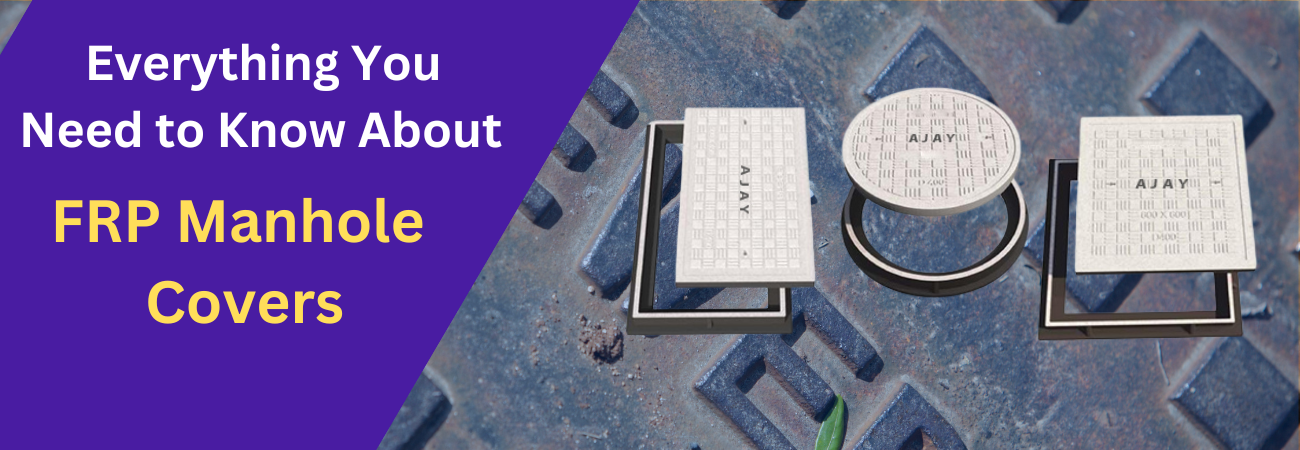
Everything You Need to Know About FRP Manhole Covers
Introduction to FRP Manhole Covers
Urban infrastructure is the backbone of any thriving city, and manhole covers play a crucial role in maintaining underground utility networks. Traditionally, manhole covers have been manufactured using cast iron, concrete, and other heavy materials. While these materials have been widely used for decades, they come with several limitations such as corrosion, excessive weight, theft risks, and high maintenance costs.
FRP (Fiber Reinforced Polymer) manhole covers have emerged as a modern alternative that addresses these challenges effectively. Their lightweight design, superior durability, corrosion resistance, and environmental benefits make them an ideal solution for today’s infrastructure requirements.
This article explores the composition, advantages, applications, and benefits of FRP manhole covers, highlighting why they are becoming the preferred choice for municipalities, industries, and infrastructure developers.
What Are FRP Manhole Covers?
FRP manhole covers are manufactured using a composite material consisting of:
- Polymer resin matrix
- Reinforcing fibers (typically glass fibers)
- Fillers and additives for enhanced performance
The resin binds the fibers together, while the reinforcing fibers provide exceptional strength and load-bearing capacity. This combination creates a material that is both lightweight and highly durable.
Structure of FRP Manhole Covers
The structure generally consists of:
- Top Protective Layer – Resistant to UV rays and weather conditions.
- Reinforced Composite Core – Provides strength and impact resistance.
- Load Distribution Layer – Ensures even weight distribution.
- Anti-Slip Surface Design – Enhances pedestrian and vehicle safety.
Key Advantages of FRP Manhole Covers
1. Lightweight Yet Extremely Strong
One of the biggest advantages of FRP manhole covers is their exceptional strength-to-weight ratio.
Benefits:
- Up to 70% lighter than cast iron covers
- Easier transportation and installation
- Reduced labor requirements
- Lower risk of workplace injuries
- Faster maintenance operations
Despite being lightweight, FRP covers can withstand heavy vehicular loads and meet industry load-bearing standards.
2. Excellent Corrosion Resistance
Traditional metal covers often suffer from rust and corrosion when exposed to:
- Moisture
- Saltwater
- Industrial chemicals
- Sewage gases
FRP manhole covers are naturally resistant to corrosion, making them suitable for harsh environments.
Advantages:
- Longer service life
- Minimal maintenance
- Reduced replacement costs
- Ideal for coastal and industrial areas
3. High Durability and Long Service Life
FRP materials are designed to perform under extreme conditions.
Resistant To:
- UV radiation
- Heavy traffic loads
- Temperature fluctuations
- Rain and humidity
- Chemical exposure
Unlike concrete covers that may crack or metal covers that may corrode, FRP covers maintain their structural integrity for years.
4. Non-Conductive and Non-Magnetic
Safety is critical around electrical and communication networks.
FRP Covers Are:
- Electrically non-conductive
- Thermally insulating
- Non-magnetic
These properties make them highly suitable for:
- Electrical substations
- Telecommunication networks
- Data centers
- Utility chambers
This reduces the risk of electrical accidents and interference with sensitive equipment.
5. Theft Resistant
Cast iron manhole covers are often stolen due to their scrap metal value.
FRP covers have:
- No resale value as scrap
- No metal content
- Lower theft risk
This significantly reduces replacement expenses and enhances public safety.
6. Anti-Slip Surface
FRP manhole covers can be manufactured with textured surfaces that improve grip.
Benefits:
- Enhanced pedestrian safety
- Reduced slipping incidents
- Better performance during rain
- Suitable for public spaces and walkways
7. Environmentally Friendly Solution
Sustainability has become a major focus in infrastructure development.
Environmental Benefits of FRP:
- Lower manufacturing energy consumption
- Long service life
- Reduced waste generation
- Recyclable components
- Lower carbon footprint
Using these supports green construction initiatives and sustainable urban planning.
Applications of FRP Manhole Covers
1. Urban Roads and Highways
FRP covers are increasingly used in:
- City roads
- Highways
- Residential streets
- Smart city projects
Advantages:
- Easy installation
- High load-bearing capacity
- Reduced traffic disruption during maintenance
2. Telecommunications Infrastructure
Telecommunication networks require covers that do not interfere with signals.
Suitable For:
- Fiber optic chambers
- Cable networks
- Communication ducts
FRP’s non-magnetic nature ensures uninterrupted signal transmission.
3. Electrical Infrastructure
Electrical utility chambers benefit significantly from FRP covers.
Applications:
- Power distribution systems
- Transformer chambers
- Cable trenches
- Electrical substations
The non-conductive property enhances worker and public safety.
4. Water Supply Systems
Water distribution networks often face constant moisture exposure.
FRP covers offer:
- Corrosion resistance
- Long-term durability
- Low maintenance
This makes them ideal for water utility applications.
5. Sewage and Drainage Systems
Sewage environments contain corrosive gases and chemicals.
Benefits in Sewage Applications:
- Resistant to hydrogen sulfide corrosion
- Long lifespan
- Minimal maintenance requirements
FRP covers maintain performance even in highly aggressive environments.
6. Industrial Facilities
Factories and industrial plants often deal with:
- Chemical spills
- Extreme temperatures
- Heavy machinery loads
FRP manhole covers provide reliable protection in such demanding conditions.
Common Industries:
- Chemical plants
- Pharmaceutical facilities
- Food processing units
- Manufacturing plants
7. Commercial and Residential Projects
Modern housing and commercial developments increasingly prefer FRP covers due to:
- Attractive appearance
- Lightweight handling
- Long-term durability
- Enhanced safety
FRP Manhole Covers vs Traditional Materials
FRP vs Cast Iron
| Feature | FRP Manhole Covers | Cast Iron Covers |
|---|---|---|
| Weight | Lightweight | Heavy |
| Corrosion Resistance | Excellent | Poor |
| Theft Risk | Very Low | High |
| Electrical Conductivity | Non-Conductive | Conductive |
| Maintenance | Minimal | High |
| Lifespan | Long | Moderate |
| Installation | Easy | Difficult |
FRP vs Concrete
| Feature | FRP Manhole Covers | Concrete Covers |
|---|---|---|
| Weight | Lightweight | Very Heavy |
| Strength | High | Moderate |
| Crack Resistance | Excellent | Can Crack |
| Corrosion Resistance | Excellent | Limited |
| Transportation | Easy | Expensive |
| Lifespan | Long | Moderate |
Cost Benefits of FRP Manhole Covers
Although the initial investment may sometimes be slightly higher than traditional alternatives, FRP covers offer substantial long-term savings.
Cost-Saving Factors:
- Reduced maintenance expenses
- Longer replacement cycles
- Lower transportation costs
- Faster installation
- Reduced labor requirements
- Elimination of theft-related losses
The total lifecycle cost of FRP manhole covers is often significantly lower than conventional materials.
Safety Benefits of FRP Manhole Covers
Safety remains a primary consideration in infrastructure planning.
Key Safety Features:
- Lightweight handling
- Anti-slip surface
- Non-conductive design
- Corrosion resistance
- High impact resistance
- Theft prevention
These features help reduce accidents and improve operational safety for workers and the public.
Future of FRP Manhole Covers
With growing emphasis on:
- Smart city development
- Sustainable infrastructure
- Reduced maintenance costs
- Enhanced public safety
FRP manhole covers are expected to see widespread adoption across urban and industrial projects.
Governments, municipalities, and private developers are increasingly recognizing the long-term value offered by FRP technology.
Conclusion
FRP manhole covers represent a significant advancement in modern infrastructure solutions. Their lightweight construction, superior strength, corrosion resistance, theft prevention, electrical safety, and environmental sustainability make them a practical alternative to traditional cast iron and concrete covers.
Whether used in roads, telecommunications networks, water systems, sewage applications, or industrial facilities, it deliver long-lasting performance with lower maintenance requirements and improved safety.
As cities continue to modernize and adopt sustainable infrastructure practices, FRP manhole covers are poised to become the preferred choice for reliable, cost-effective, and future-ready urban development.
Visit our Website: www.ajaypipes.com
For any queries, contact the plumbing experts at Ajay pipes on the Toll Free No. : 1800-11-4050 or via email at our email address info@ajaypipes.com

