cpvc

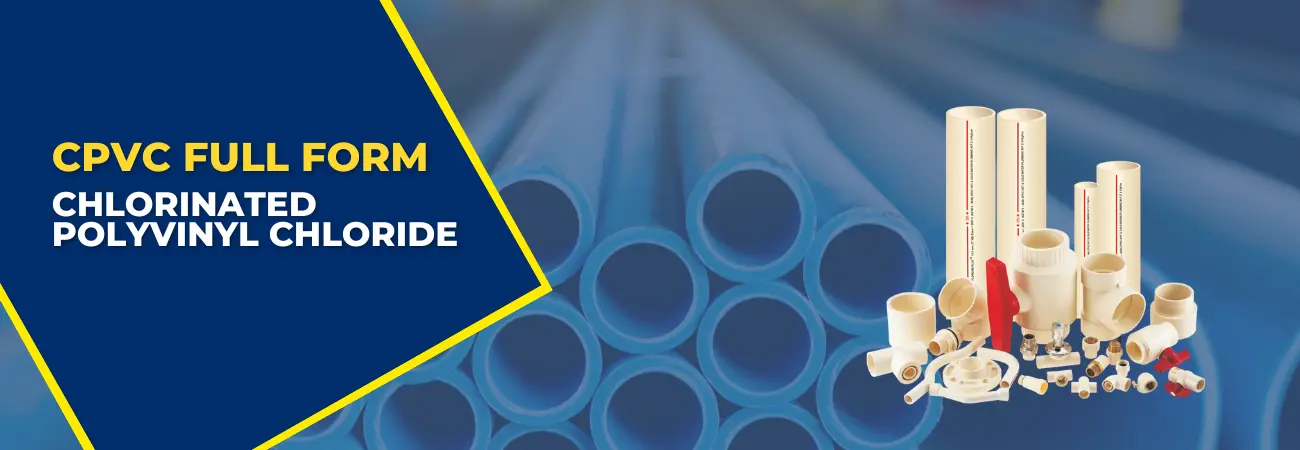
CPVC full form

Introduction

What is CPVC?

CPVC full form in plumbing is Chlorinated Polyvinyl Chloride which means more chlorine has been added to PVC. CPVC products are thermoplastic and are made with CPVC resins. They are one of the strongest and durable materials used in the plumbing applications for more than 50 years now. CPVC is resistant to chemical, reliable, and can withstand high heat temperature to 93 degree C and pressure, thus making it an ideal material for residential, commercial, and industrial piping and fire sprinkler systems.

Applications of CPVC

CPVC is widely used in,

  • Hot & Cold Water Plumbing Pipes and Fittings
  • Pipes and Fittings for Fire Sprinkler Application
  • Sheets and Rods for Industrial Applications
  • Automotive Parts
  • Other Applications Requiring High Strength at Elevated Temperatures.
plumbing

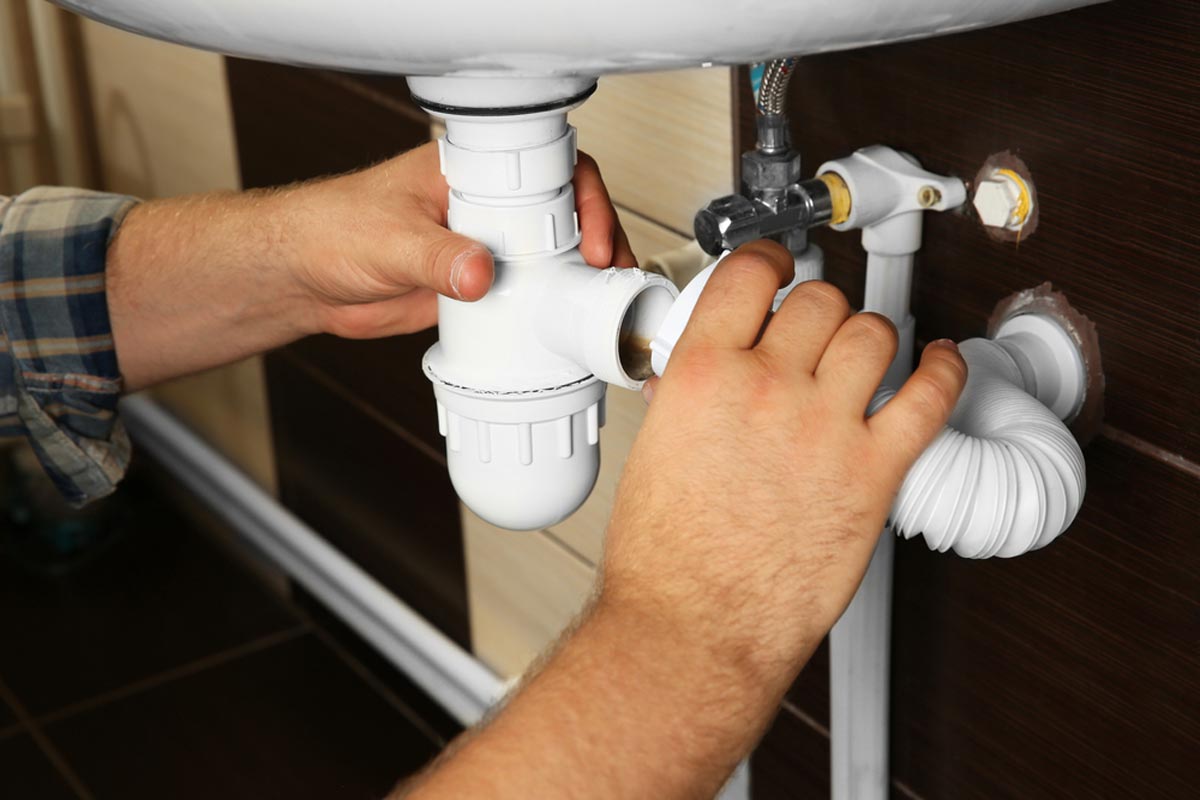
CPVC pipes are ideal for hot and cold water distribution in residential and industrial projects. They are used to carry drinking water and food liquids and are also used in water treatment plants.

CPVC pipes are used in industrial plumbing for chemicals. They are used in the transportation of chemicals and hot corrosive fluids that includes a wide range of inorganic acids, bases used in the chemical processing.

CPVC Pipes

How is CPVC made?

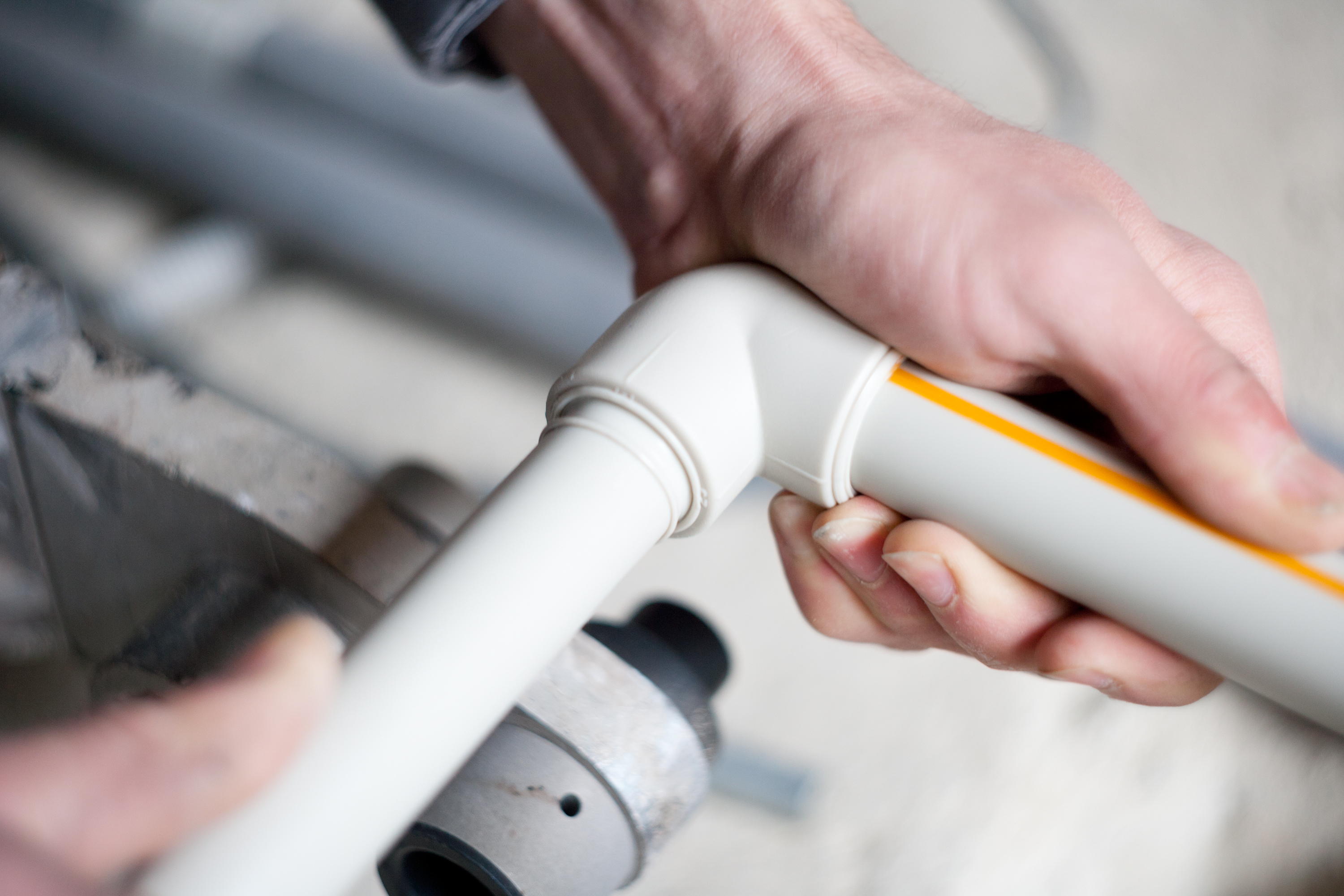
Each step in making CPVC is critical. From raw material to PVC, PVC to CPVC, from CPVC to finished product. In the first step, petroleum is put in a cracker and then ethylene is extracted from it. Manufacturers then react to the two chemicals chlorine and ethylene to form a new liquid chemical known as ethylene dichloride.

The EDC is dehydrated through an oxychlorination process and is ultimately broken down into Vinyl chloride monomer (VCM) .Then VCM is then polymerized in a high-pressure reactor to form Polyvinyl chloride. Then PVC resin is manufactured. The PVC is then subjected to the chlorination process.

Polyvinyl chloride is chlorinated through a free radical chlorination reaction. CPVC is then produced by adding chlorine to PVC in a fluidized bed chlorination process. The chlorination process is then initiated by ultraviolet light. The CPVC is compounded with the necessary ingredients and is further processed. Because of extra chlorination CPVC is suitable for hot water plumbing systems.
CPVC Pipes

Physical Properties of CPVC

BASIC PROPERTIES OF CPVC

 
PROPERTY TEST CONDITION ENGLISH UNITS SI UNITS
GENERAL
Specific Gravity
ASTM D 792
23°C
1.55
1.55
Specific Volume
23°C
0.645 Cm3 / g
0.645 Cm3 / g
Water Absorption
ASTM D 570
23°C
+0.03%
+0.03%
100°C
+0.55%
+0.55%
Rockwell Hardness
ASTM D785
23°C
119
Cell Class
ASTM D 1784
23447
MECHANICAL
Izod Impact
ASTM D 256
23°C
1.5 ft lbs/in o.n.
80 j/m o.n.
Tensile strength
ASTM D 638
23°C
8000 psi
55 N/mm2
Tensile Modulus
ASTM D 638
23°C
360,000 psi
2500 N/mm2
Flexural Strength
ASTM D 790
23°C
15,100 psi
104 N/mm2
Flexural Modulus
ASTM D 790
23°C
415,000 psi
2860 N/mm2
Compressive strength
ASTM D 695
23°C
10,100 psi
70 N/mm2
Compressive Modulus
ASTM D 695
23°C
196,000 psi
1350 N/mm2
THERMAL
Coefficient of Thermal Expansion
ASTM D 696
6.1×10⁻⁵ m/m/k
Thermal Conductivity
ASTM C 177
0.14 Wm/k/m2
Heat Distortion Temperature
ASTM D 648
103° c
Heat Capacity
DSC
23°c
0.90 j/gk
100°c
1.10 J/gk.
FLAMMABILITY
Flammability Rating
UL 94
0.062 in/0.157cm
V-0 , 5VB , 5VA
Flame Speed
ASTM E84
15
Smoke developed
ASTM E84
70-125
Limiting Oxygen Index
ASTM D 2863
60%
ELECTRICAL
Dielectric Strength
ASTM D 147
1250 V/mil
4,92000 V/cm
Dielectric Constant
ASTM D 150
60 Hz,-1°c
3.7
3.7
Power Factor
ASTM D 150
1000 Hz
0.007 %
0.007 %
Volume Resistivity
ASTM D 257
23°c
3.4×10¹⁵ ohm/cm
3.4×10¹⁵ ohm/cm


MAIN FEATURES AND BENEFITS OF CPVC

 
FIRE-PROOF

CPVC has the ability to self-extinguish and does not catch fire when exposed to fire because of the high limiting oxygen index (i.e. 60). It does not burn but turns carbonized black when heat is applied.

RESISTANCE TO SCALING

CPVC has a smooth inner surface. Hence C factor is very high as compared to Copper, Steel & GI (i.e. 150). Higher C value means less friction, less head loss and no scaling.

CORROSION RESISTANCE

CPVC is resistant to corrosion, rust and tube clogging. CPVC is resistant to chemicals like acids, bases, salts and halogens.

NSF APPROVED

CPVC is non toxic and antibacterial.Certified by NSF. Hence it is suitable for potable water systems.

EASY INSTALLATION

Simple solution jointing system. No special tools required for jointing. Easy repairable/modifiable after installation.

FOOL-PROOF JOINTING

Solvent Cement used for CPVC jointing & the process called Cold Welding Process.

TOUGH, RIGID MATERIAL

CPVC has much higher strength than other thermoplastic used in plumbing applications. Hence it requires less support, no snaking, suitable for vertical plumbing & high pressure bearing capacity.

 
LOW THERMAL EXPANSION & CONTRACTION

Less expansion of CPVC pipe when hot water runs. Hence less expansion loop required & less looping & snaking.

LOWER HEAT LOSS

CPVC has low thermal conductivity and possesses excellent warming and cooling effects with no condensation.

UV RESISTANT

CPVC plumbing system has very good UV resistant property. Hence limited to a surface discoloration, no breakdown of polymer chain, no significant loss in pressure bearing capacity. For further protection apply a single coat of water base paint if it is exposed to sunlight.

EFFECT OF CHLORINE

Chlorine, a commonly used chemical to treat water in India is corrosive in nature. CPVC is unaffected by chlorine in water supply.

NO LEACHING

Additives in CPVC material do not migrate into water even after a long period of water stagnation.

QUIETER SYSTEM

Very Low noise effect due to water hammer effect. Much quieter than the metallic system.

For any queries, contact the plumbing experts at Ajay pipes on the Toll Free No. : 1800-11-4050 or via email at our email address info@ajaypipes.com

Similar Posts

  • | |

    PVC UPVC CPVC

    Introduction PVC UPVC CPVC pipes and Fittings in Plumbing UPVC or Unplasticised PVC is also known as rigid PVC and is the most commonly used plastic pipe for the transportation of drinking water. As the name suggests, no plasticizer is added to the PVC compound and these pipes are light in weight and easy to…

  • CPVC Tee

    Introduction CPVC TEE Tees are fittings that have structural analogy with the alphabet T and connect three pipes together. Tees have a function of either converging the flow of fluid by having two inlets and one outlet which are generally used in drainage systems. The other function of a Tee is to divide the flow…

  • | | |

    Best CPVC Pipe Company in India

    Selecting the right pipes is one of the most crucial decisions when designing a safe, reliable, and long-lasting plumbing system. With modern advancements, CPVC (Chlorinated Polyvinyl Chloride) pipes have emerged as a revolutionary solution for residential, commercial, and industrial plumbing needs. Known for their durability, heat resistance, and leak-proof performance, CPVC pipes are the preferred choice among plumbers, contractors, and homeowners alike. Among the many manufacturers in the market, Ajay Pipes has carved a niche for itself as the best CPVC pipe company in India, offering exceptional quality, trust, and innovation. Let’s explore everything you need to know about CPVC pipes and how Ajay Pipes stands out from the competition.

  • |

    CPVC Long Bend: Strong & Durable Plumbing Connection Guide

    In modern plumbing systems, the CPVC long bend is a crucial fitting that helps ensure smooth water flow around corners without putting stress on the pipeline. Whether you’re working on a residential water supply or an industrial plumbing system, this small but vital component can make a significant difference in performance and durability.
    In this comprehensive guide, you’ll learn everything about CPVC long bends—from their function and advantages to how they compare with similar fittings like the cross bend CPVC and end cap CPVC.

  • |

    CPVC Pipes Price

    Introduction CPVC Pipes and Fittings Before knowing CPVC pipe price know what CPVC pipes and fittings are. CPVC or Chlorinated Polyvinyl Chloride pipe is a thermoplastic polymer used for hot & cold water plumbing applications in residential, commercial and industrial buildings. They are produced as a result of chlorinating the PVC polymer. CPVC pipes are bendable and…

  • |

    Difference between PVC and CPVC

    Introduction Polyvinyl chloride (PVC) and Chlorinated polyvinyl chloride (CPVC) are two of the most popular thermoplastic materials used in construction and industrial applications. Both PVC and CPVC are widely used in piping systems due to their strength, durability, and resistance to chemicals and weather conditions. However, there are some key differences between these two materials that make each more suitable for certain…

Leave a Reply

Your email address will not be published. Required fields are marked *