Difference Between PVC and UPVC: Which Pipe Material Is Better?
Introduction
Pipes play a major role in modern plumbing, construction, irrigation, and industrial systems. Among the most commonly used materials are PVC and UPVC pipes. Many homeowners, builders, and contractors often get confused when choosing between these two options. Understanding the difference between PVC and UPVC can help you select the right piping material for your project.
In this detailed guide, we will explain the properties, applications, benefits, and key distinctions between PVC and UPVC pipes. We will also discuss the difference between PVC and UPVC pipes, compare their durability, and understand the difference between PVC CPVC and UPVC pipes.
What is PVC?
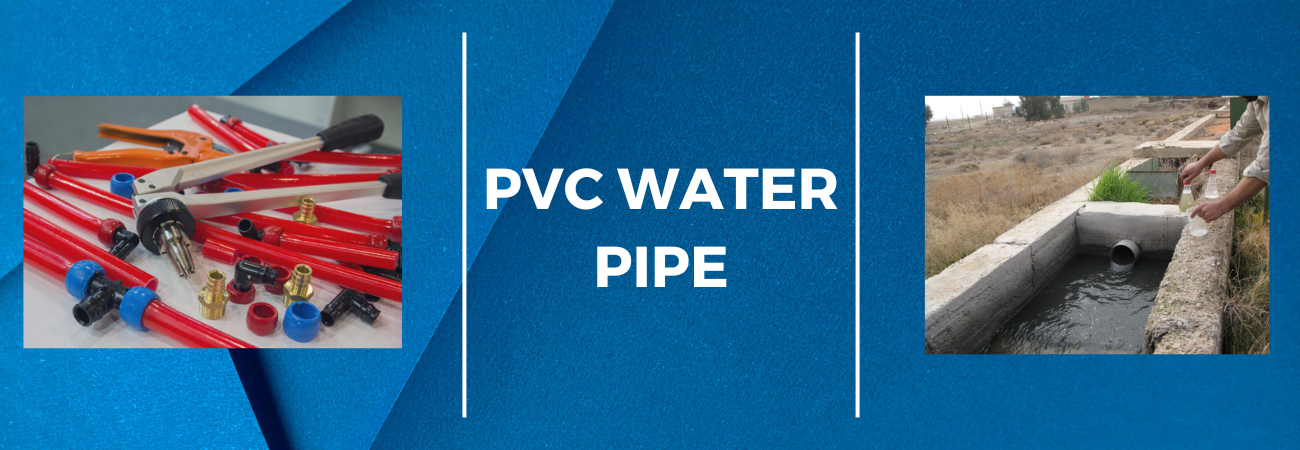
PVC stands for Polyvinyl Chloride, a synthetic plastic polymer widely used in construction and plumbing industries. PVC is created by adding plasticizers and other additives that make the material flexible and softer.
PVC pipes are commonly used for:
- Water drainage systems
- Electrical cable insulation
- Agricultural irrigation
- Plumbing applications
- Industrial piping
PVC is lightweight, affordable, and resistant to corrosion, making it one of the most popular pipe materials worldwide.
What is UPVC?
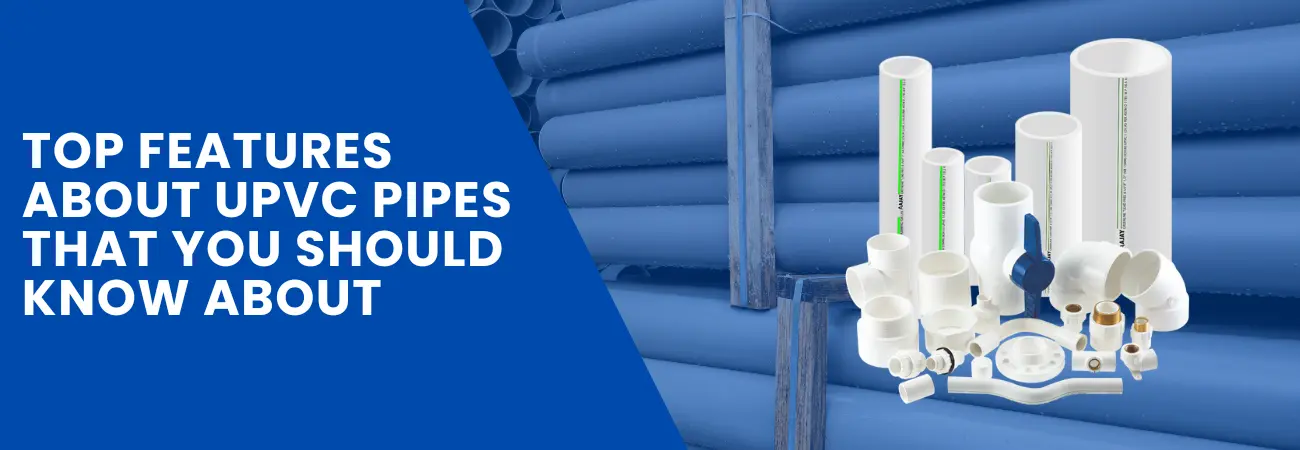
UPVC stands for Unplasticized Polyvinyl Chloride. Unlike PVC, UPVC does not contain plasticizers. This makes it more rigid, durable, and stronger than standard PVC.
UPVC pipes are mainly used for:
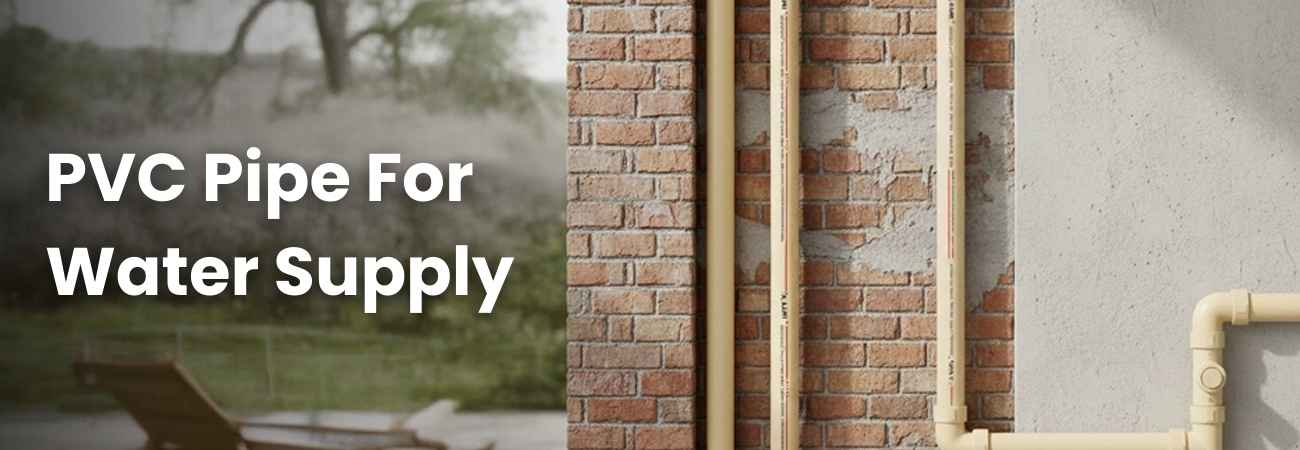
- Drinking water supply
- Sewage systems
- Window frames
- Industrial pipelines
- Cold water plumbing
Because UPVC is free from harmful plasticizers, it is considered safer for potable water transportation.
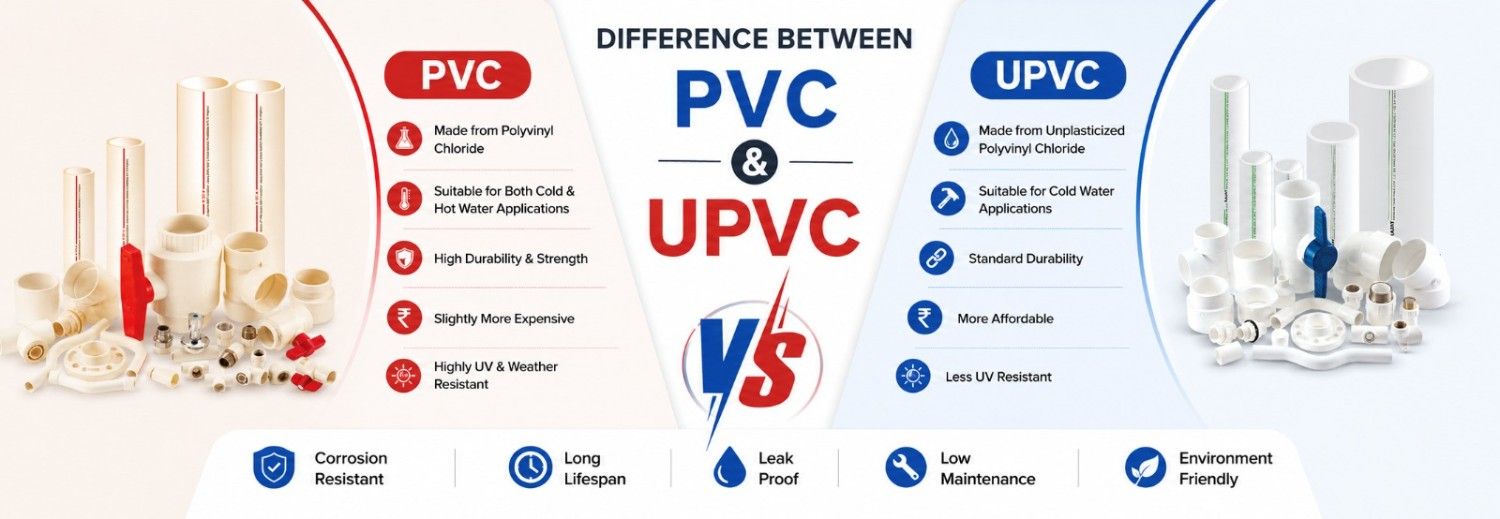
Difference Between PVC and UPVC
The primary difference between PVC and UPVC lies in their composition and flexibility. PVC contains plasticizers, while UPVC is manufactured without them.
Here is a detailed comparison table:
| Feature | PVC | UPVC |
|---|---|---|
| Full Form | Polyvinyl Chloride | Unplasticized Polyvinyl Chloride |
| Flexibility | Flexible | Rigid |
| Strength | Moderate | High |
| Plasticizers | Present | Absent |
| Durability | Good | Excellent |
| Chemical Resistance | Moderate | High |
| Water Safety | Not ideal for drinking water in some cases | Safe for potable water |
| Cost | Lower | Slightly higher |
| Applications | Drainage, irrigation | Water supply, industrial systems |
This table clearly highlights the difference between PVC and UPVC pipes and their ideal applications.
Composition Difference Between PVC and UPVC
One of the biggest factors in understanding what is difference between PVC and UPVC is their chemical composition.
PVC Composition
PVC includes:
- Plasticizers
- Stabilizers
- Additives
These materials make PVC softer and flexible.
UPVC Composition
UPVC contains:
- No plasticizers
- Higher rigidness
- Improved structural strength
The absence of plasticizers makes UPVC pipes stronger and more durable over long periods.
Strength and Durability Comparison
When discussing the difference between PVC and UPVC pipes, strength is an important factor.
PVC Durability
PVC pipes are durable but can become weak under extreme sunlight and temperature conditions. Their flexibility is useful in low-pressure applications.
UPVC Durability
UPVC pipes are highly durable and resistant to:
- Corrosion
- Chemicals
- UV rays
- Rust
- Moisture
UPVC can easily last for decades without significant damage.
Flexibility and Rigidity
PVC is flexible because it contains plasticizers. This flexibility makes it suitable for:
- Cable insulation
- Flexible tubing
- Irrigation systems
UPVC, on the other hand, is rigid and strong. It is ideal for:
- Plumbing systems
- Water supply pipelines
- Structural applications
This is another major difference between PVC and UPVC.
Temperature Resistance
Temperature handling is crucial when selecting pipe materials.
PVC Temperature Range
PVC pipes usually handle temperatures up to 60°C. Excessive heat may deform the material.
UPVC Temperature Range
UPVC pipes can withstand slightly higher temperatures and maintain structural stability better than PVC.
However, for hot water systems, CPVC is generally preferred.
Difference Between PVC CPVC and UPVC Pipes
Many people also want to understand the difference between PVC CPVC and UPVC pipes. Let us compare all three materials.
| Property | PVC | CPVC | UPVC |
|---|---|---|---|
| Flexibility | Flexible | Semi-rigid | Rigid |
| Hot Water Usage | No | Yes | Limited |
| Temperature Resistance | Moderate | High | Moderate |
| Drinking Water Safety | Limited | Safe | Safe |
| Chemical Resistance | Good | Excellent | Excellent |
| Cost | Low | High | Medium |
| Common Use | Drainage | Hot water plumbing | Cold water supply |
PVC
Suitable for drainage and irrigation.
CPVC
CPVC stands for Chlorinated Polyvinyl Chloride. It is designed for hot water systems and can handle higher temperatures.
UPVC
UPVC is best for cold water supply and industrial plumbing systems.
Understanding the difference between PVC CPVC and UPVC pipes helps in selecting the correct material for specific applications.
Applications of PVC Pipes
PVC pipes are commonly used in:
- Agricultural irrigation
- Drainage systems
- Electrical conduits
- Ventilation ducts
- Underground piping
Their low cost and flexibility make them a preferred choice for non-pressure systems.
Applications of UPVC Pipes
UPVC pipes are widely used in:
- Residential plumbing
- Commercial water supply
- Industrial fluid transport
- Sewer systems
- Chemical processing plants
Because UPVC is rigid and corrosion-resistant, it performs exceptionally well in long-term infrastructure projects.
Environmental Impact
Modern construction increasingly focuses on sustainable materials.
PVC Environmental Concerns
PVC production involves chemical additives that may impact the environment if not properly recycled.
UPVC Environmental Benefits
UPVC is more eco-friendly because:
- It lasts longer
- Requires less maintenance
- Is recyclable
- Contains fewer harmful additives
This makes UPVC a preferred choice for sustainable construction projects.
Cost Comparison
Another important difference between PVC and UPVC is pricing.
PVC Pipes
PVC pipes are generally cheaper and easier to install.
UPVC Pipes
UPVC pipes cost slightly more due to their superior durability and strength.
Although the initial investment is higher, UPVC often reduces maintenance and replacement costs over time.
Advantages of PVC Pipes
Some major benefits of PVC include:
- Lightweight material
- Affordable pricing
- Easy installation
- Good corrosion resistance
- Flexible applications
PVC remains highly popular for agricultural and drainage systems.
Advantages of UPVC Pipes
UPVC offers several long-term benefits:
- High durability
- Excellent chemical resistance
- Rust-proof performance
- Safe for drinking water
- Long service life
This is why many modern plumbing systems prefer UPVC over regular PVC.
Which One Should You Choose?
Choosing between PVC and UPVC depends on your specific application.
Choose PVC If:
- You need flexibility
- Budget is limited
- The system is non-pressurized
- It is for drainage or irrigation
Choose UPVC If:
- You need long-term durability
- The application involves potable water
- High strength is required
- The environment is chemically harsh
Understanding what is difference between PVC and UPVC helps avoid costly mistakes during construction and plumbing installation.
Conclusion
The difference between PVC and UPVC mainly lies in flexibility, composition, durability, and application. PVC is flexible and cost-effective, making it suitable for drainage and irrigation systems. UPVC is rigid, stronger, and safer for drinking water applications.
When comparing the difference between PVC and UPVC pipes, UPVC generally offers better strength, durability, and chemical resistance. Additionally, understanding the difference between PVC CPVC and UPVC pipes helps homeowners and builders select the most suitable material for plumbing and industrial systems.
Whether you are planning residential plumbing, industrial infrastructure, or agricultural irrigation, selecting the right pipe material ensures long-lasting performance and reduced maintenance costs.
FAQ:-
1. What is the main difference between PVC and UPVC?
The main difference is that PVC contains plasticizers, making it flexible, while UPVC does not contain plasticizers, making it rigid and stronger.
2. Which is better for drinking water: PVC or UPVC?
UPVC is generally considered better and safer for drinking water applications because it does not contain harmful plasticizers.
3. What is difference between PVC and UPVC pipes in terms of durability?
UPVC pipes are more durable, corrosion-resistant, and long-lasting compared to standard PVC pipes.
4. What is the difference between PVC CPVC and UPVC pipes?
PVC is used for drainage, CPVC is suitable for hot water systems, and UPVC is mainly used for cold water supply and plumbing systems.
5. Are UPVC pipes more expensive than PVC pipes?
Yes, UPVC pipes are slightly more expensive due to their higher strength, durability, and longer service life.
For any queries, contact the plumbing experts at Ajay pipes on the Toll Free No. : 1800-11-4050 or via email at our email address info@ajaypipes.com