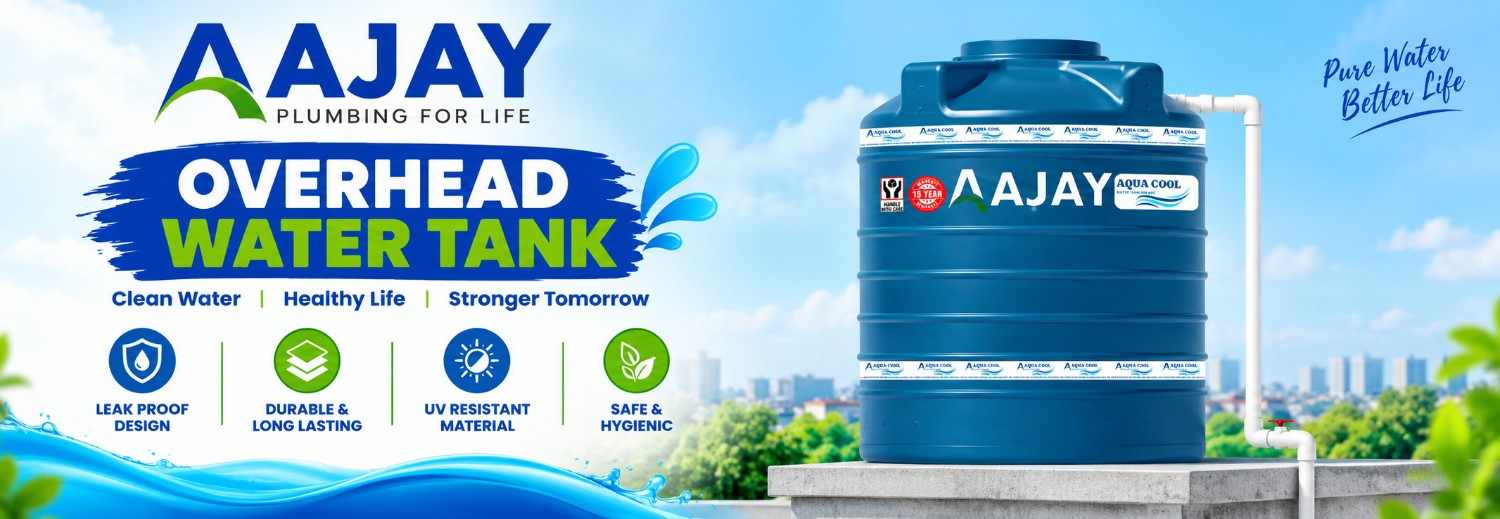
What Is an Overhead Water Tank and Why Every Indian Home Needs One
Introduction
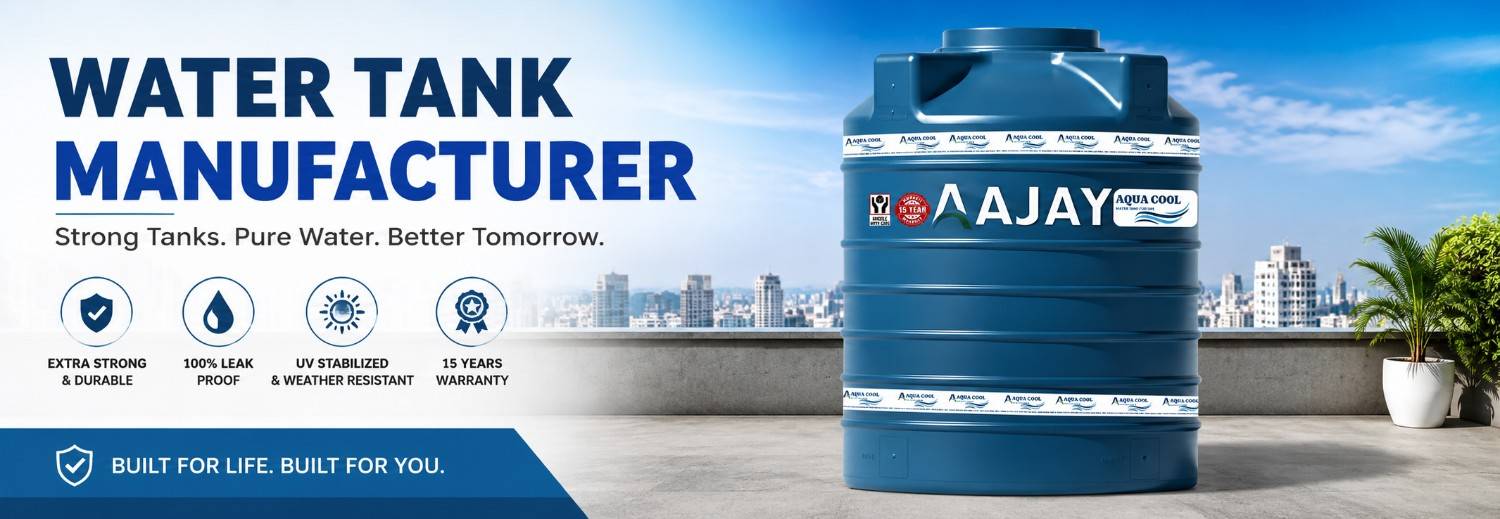
An overhead water tank is a rooftop-mounted storage tank. It uses gravity to supply water to a home without constant pumping. A plastic overhead water tank is the most common choice in India. It resists corrosion, costs less, and installs in a day. A 2000 litre water tank suits most four to six person households.
Water shortage is a daily worry in many Indian households, especially during summer months. Municipal supply often becomes unpredictable. An overhead water tank solves this problem by storing water at height. Gravity then delivers steady pressure to every tap in the house. Whether you are building a new home or replacing an old tank, this guide will help you choose the right one. It will also save you money for years to come.
What Is an Overhead Water Tank?
An overhead water tank sits on a rooftop, terrace, or elevated platform. It collects water from the municipal supply, a borewell, or a sump pump, and holds it until you need it. Because the tank sits above the plumbing fixtures, water flows down through the pipes using gravity alone. You do not need a pump every time someone opens a tap. This cuts electricity costs and reduces wear on the plumbing system.
Most Indian homes rely on this setup because municipal water supply often runs for only a few hours a day. The tank stores enough water during those hours to last until the next refill. Residents never run out of water in between.
Why Choose a Plastic Overhead Water Tank
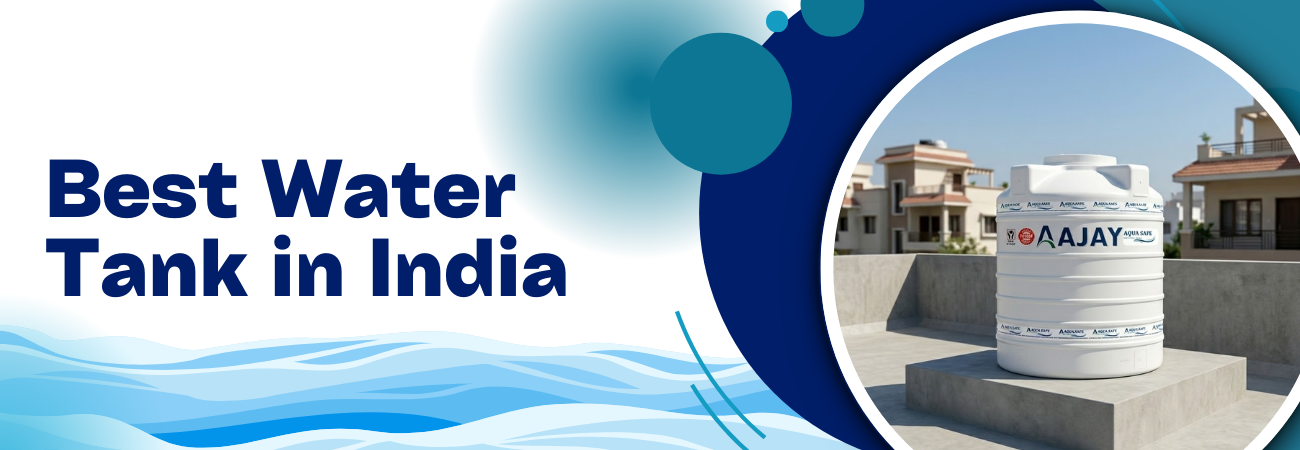
Homeowners today have several material options, including concrete, metal, and fiberglass tanks. A plastic overhead water tank still remains the most popular choice across India, and for good reason.
Plastic tanks use food-grade, UV-stabilised polyethylene that resists corrosion completely. Metal tanks rust over time and can contaminate stored water. Plastic tanks are also significantly lighter, which makes transport and rooftop installation far easier and safer. A plastic water tank does not crack under normal temperature swings the way concrete structures sometimes do. When manufacturers follow proper standards, the tank will not leach harmful substances into drinking water.
Cost is another major factor. A plastic tank typically costs less than a custom concrete structure. It also needs no curing time, so you can install it and put it into use within a day. Maintenance stays simple too. The smooth interior surface resists algae and sediment buildup. A routine wash every few months keeps it clean without specialised labour.
Plastic Water Tank vs Other Materials
Three factors consistently favour plastic over concrete or metal for residential use: weather durability, hygiene, and ease of installation.
| Factor | Plastic Tank | Concrete Tank | Metal Tank |
|---|---|---|---|
| Rust or corrosion | Never | Not applicable | Rusts over time |
| Installation time | Same day | Several days (curing needed) | 1-2 days |
| Weight | Lightweight, easy to lift | Very heavy, built on-site | Moderate |
| UV and weather resistance | High, with triple-layer construction | Prone to cracking over years | Prone to rust and heat damage |
| Typical lifespan | 15-20 years | 20+ years, but needs repair | 10-15 years |
| Relative cost | Low to moderate | High | Moderate to high |
Quality plastic tanks use triple-layer construction. The outer layer blocks UV rays and the middle layer blocks light to prevent algae growth. The inner layer is food-grade for safe water contact. This design keeps the tank structurally sound through monsoons, heatwaves, and years of direct sun exposure. Plastic does not rust or corrode, so water stored in it stays cleaner for longer. Metal tanks, by contrast, can introduce rust particles into the supply.
Two or three workers can lift a plastic tank onto a rooftop without heavy machinery. Concrete tanks, in contrast, require on-site construction and curing that can take days. For anyone planning a quick installation or a replacement, plastic is almost always the practical choice. You can explore the full lineup of tank sizes and specifications on the Ajay Pipes water tank page.
How to Choose the Right Capacity: Is a 2000 Litre Water Tank Right for You
Tank capacity should match household size, daily water usage, and the hours of municipal supply available each day. As a general guide, each person uses roughly 135 to 150 litres a day for drinking, cooking, bathing, and cleaning.
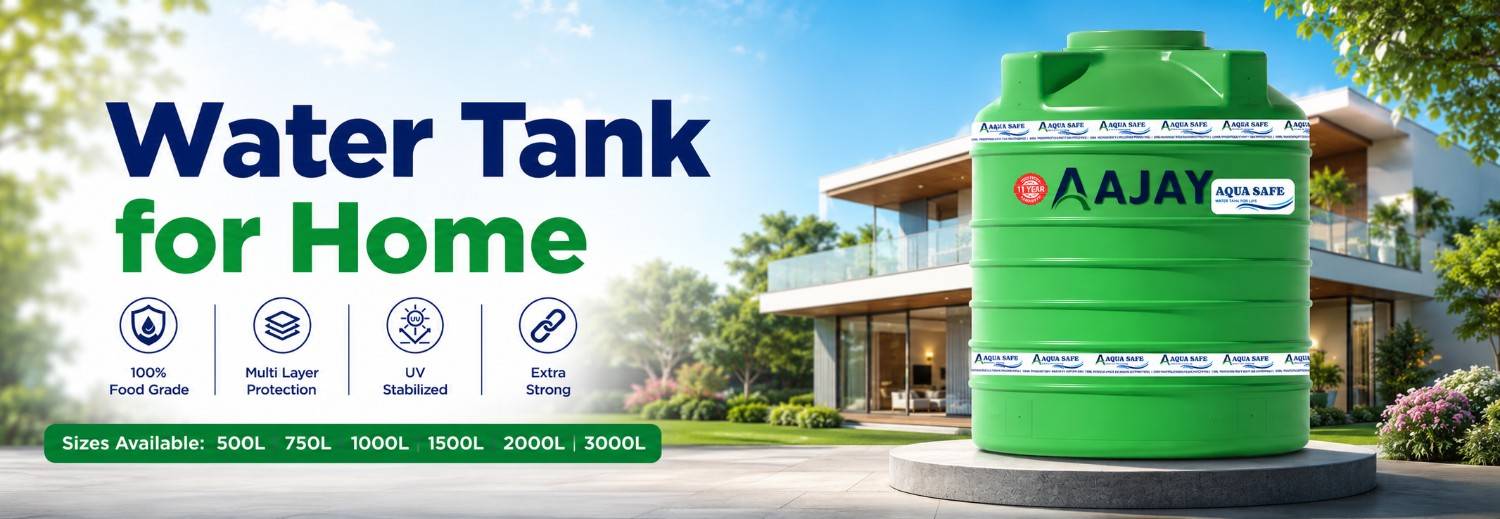
For a family of four to six people, a 2000 litre water tank is usually the sweet spot. It holds enough reserve to cover a full day of usage, even if the municipal supply is interrupted. It also avoids taking up excessive rooftop space or adding unnecessary weight to the structure. Smaller households of two to three people may manage comfortably with a 1000 litre tank. Larger joint families or independent houses with gardens may need 3000 litres or more.
It also helps to consider peak demand. If your area experiences frequent supply cuts, go one size up from your calculated minimum for useful buffer capacity. A 2000 litre water tank strikes a practical balance between storage security and space, and it suits most urban and semi-urban Indian homes.
Installation and Maintenance Tips
Proper installation significantly extends the life of any overhead water tank. The rooftop platform should be flat, level, and strong enough to bear the full weight of a filled tank. A 2000 litre tank weighs roughly two tonnes when full. Support stands or a raised platform improve airflow underneath and prevent water from pooling around the base.
Position the tank away from falling debris. Fit the inlet and outlet pipes with mesh covers to stop insects and leaves from entering. A tight-fitting lid is essential too. It blocks sunlight, which encourages algae growth, and keeps the stored water free of dust and contaminants.
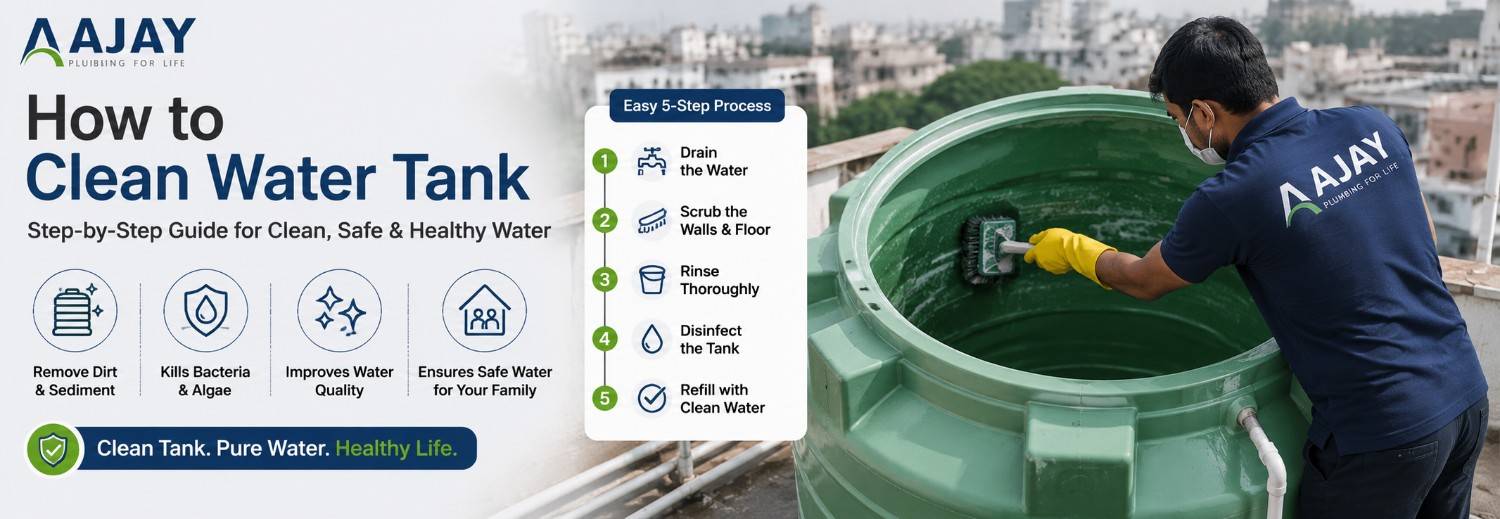
Cleaning the tank every three to four months keeps water quality high. This involves draining the tank fully, scrubbing the interior walls, and rinsing thoroughly before refilling. Many households also install an inlet float valve. It automatically shuts off the water supply once the tank is full, which prevents overflow and wastage.
Look for the ISI Mark Before You Buy
Not every plastic tank in the market meets safety requirements, so it helps to know what to check before buying. In India, the Bureau of Indian Standards specification IS 12701 governs rotationally moulded polyethylene water storage tanks. It sets requirements for wall thickness, UV resistance, and the safety of materials in contact with drinking water. Manufacturers test tanks that carry the ISI mark for hydrostatic pressure, drop impact, and resistance to environmental stress cracking. This gives buyers a reliable way to compare quality across brands. Choosing a certified tank protects both the household budget and the health of everyone who drinks the stored water.
Why Ajay Pipes for Your Overhead Water Tank
Choosing a reliable manufacturer matters as much as choosing the right tank size. Ajay Pipes has built its reputation on food-grade, UV-resistant plastic water tanks made under strict quality control. This gives homeowners and builders confidence that their stored water stays safe for daily use. See what sets the brand apart in why Ajay Pipes is trusted by homeowners and builders across India.
An overhead water tank is a long-term investment in household convenience and water security. Choose the right material and pick a dependable capacity, such as a 2000 litre water tank. Go with a manufacturer that has a proven track record. Together, these choices give your family reliable access to clean water all year.
FAQs
For most Indian households of four to six members, a 2000 litre water tank offers the best balance of storage and space. Smaller families of two to three can manage with 1000 litres, while larger households may need 3000 litres or more.
A quality plastic overhead water tank made from UV-stabilised, triple-layer polyethylene typically lasts 15 to 20 years with proper installation and regular cleaning.
Yes. A family of four uses roughly 600 litres a day, so a 2000 litre tank gives more than a full day’s reserve during supply interruptions.
The tank should be drained and cleaned every three to four months to prevent algae growth and sediment buildup, keeping stored water safe for household use.
A plastic water tank weighs far less, installs in a single day without curing time, and has a smooth, algae-resistant interior, making it more hygienic and cost-effective than concrete.
For any queries, contact the plumbing experts at Ajay pipes on the Toll Free No. : 1800-11-4050 or via email at our email address info@ajaypipes.com